Mussaenda pubescens
Aiton f.
Jade-leaf gold-flower
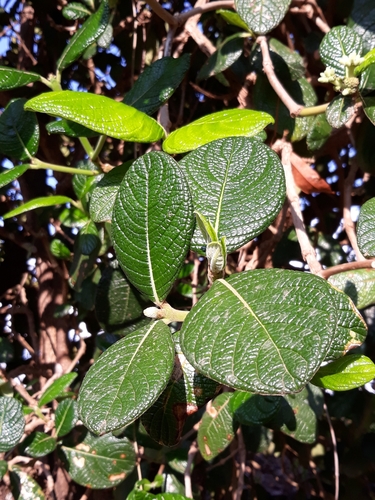
iNaturalist· cc-by-nc
(c) Stargazer, some rights reserved (CC BY-NC)
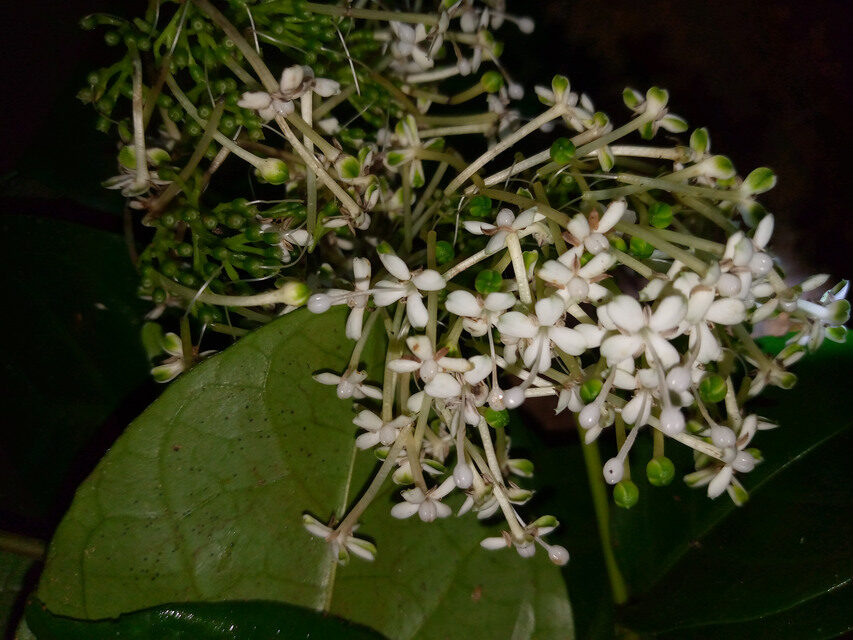
iNaturalist· cc-by-nc
(c) Stargazer, some rights reserved (CC BY-NC)
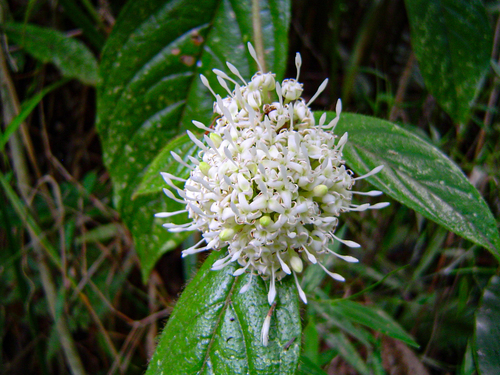
iNaturalist· cc-by
(c) 黃美滿, some rights reserved (CC BY)
Summary
Source: WikipediaMussaenda pubescens is a plant from the coffee family, Rubiaceae that is found in Indonesia. The plant grows wild on hillsides, shrubs, and is often cultivated as an ornamental plant. To the Sumatran Malays, this plant is known as daun putri or nusa indah (though the latter name refers to other species). Its twigs, leaves and roots are used as medicine.
Description
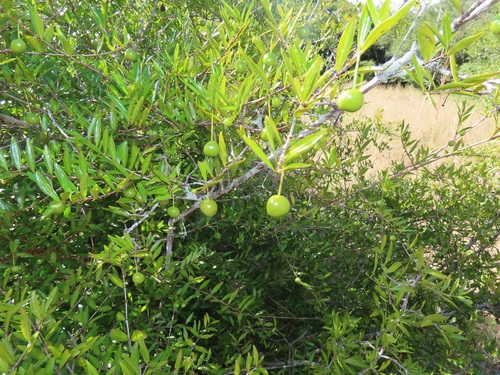
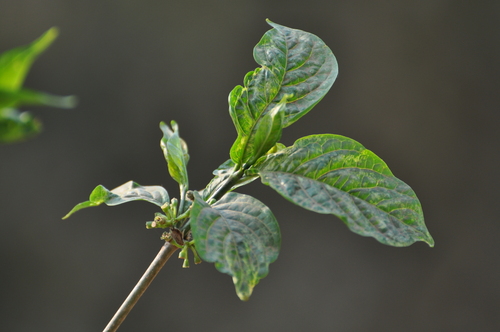
A low shrub. The small branches have some soft hairs. The leaves are papery. They are oval and 9-15 cm long by 3-5 cm wide. The flowers are golden yellow and in groups at the ends of branches. The fruit are oval and 10-15 mm long by 6-11 mm wide. They are black when ripe. The seeds are very small.
Edible Uses
The leaves are gathered, dried, and brewed as a cooling tea or dried and used as a tea substitute.
Traditional Uses
The leaves are gathered and dried and then used fresh for a cooling tea or saved and used as a tea substitute.
This uses section is brief — help expand it
Medicinal Uses
Used traditionally as a cooling tea.
Distribution
It is a subtropical plant. It grows in forests at low to medium altitudes throughout Taiwan. In southern China it grows between 100-900 m above sea level.
Where It Grows
Asia, China*, Dominican Republic, Haiti, SE Asia, Taiwan*, Vietnam, West Indies,
Other Information
It is sold in local markets in China.
Synonyms
Also Known As
Xian gan teng
References (4)
- Hu, Shiu-ying, 2005, Food Plants of China. The Chinese University Press. p 684
- Kuo, W. H. J., (Ed.) Taiwan's Ethnobotanical Database (1900-2000), http://tk.agron.ntu.edu.tw/ethnobot/DB1.htm
- Li, D. et al, 2017, Ethnobotanical survey of herbal tea plants from the traditional markets in Chaoshan, China. Journal of Ethnopharmacology. 205 (2017) 195-206
- Plants of Haiti Smithsonian Institute http://botany.si.edu/antilles/West Indies