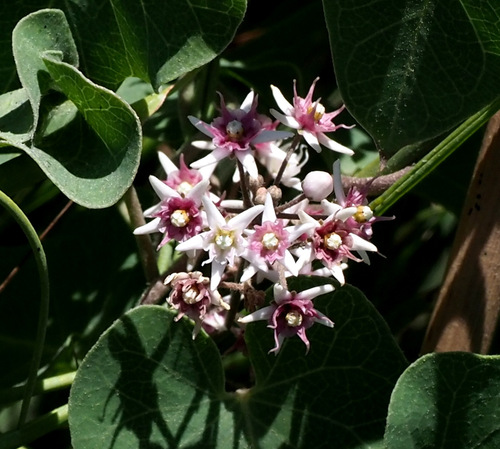
Tabernaemontana divaricata
(L.) R. Br. ex Roem. & Schult.
Crape jasmine
iNaturalist· cc-by-sa
(c) 阿橋 HQ, some rights reserved (CC BY-SA)
iNaturalist· cc-by-nc
(c) Nur Azleen Jamaluddin, some rights reserved (CC BY-NC), uploaded by Nur Azleen Jamaluddin
iNaturalist· cc-by-nc
(c) Susan J. Hewitt, some rights reserved (CC BY-NC), uploaded by Susan J. Hewitt
Summary
Source: WikipediaTabernaemontana divaricata, commonly called pinwheel flower, crape jasmine, Ceylon jasmine, East India rosebay, and Nero's crown, is an evergreen shrub or small tree native to South Asia, Southeast Asia and China. In zones where it is not hardy it is grown as a house/glasshouse plant for its attractive flowers and foliage. The stem exudes a milky latex when broken, whence comes the name milk flower.
Description
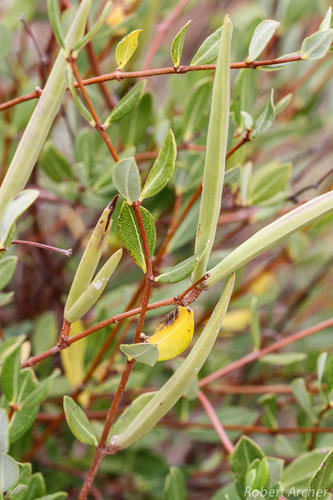
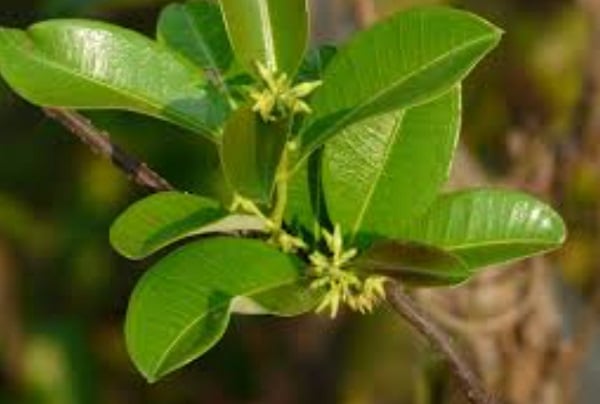
A shrub or small tree. It grows up to 5 m tall. The stems are thin and crooked. The stems have milky sap when broken. The leaves are large, shiny and dark green. They are 15 cm long and 5 cm wide. The flowers are waxy and have 5 petals arranged like pin wheels. The fruit is a narrowly oval and oblique follicle. It is 2-7 cm long by 1-2 cm wide.
Edible Uses
Young leaves are fried with pig meat.
Traditional Uses
The young leaves are fried with pig meat.
This uses section is brief — help expand it
Medicinal Uses
The species is known to produce many alkaloids including catharanthine, conolidine, coronaridine, dregamine, ibogamine, tabersonine, voacangine, voacamine and voacristine. Ibogaine may occur in multiple Tabernaemontana species.
Known Hazards
The leaves are poisonous; the plant contains many alkaloids.
Distribution
It is a tropical plant. It grows between 100-1,600 m above sea level. In Yunnan.
Where It Grows
Africa, Asia, Australia, Bangladesh, Bhutan, Dominican Republic, Fiji, Himalayas, India, Indochina, Indonesia, Malaysia, Marquesas, Myanmar, Nepal, Northeastern India, Pacific, Rotuma, Sao Tome and Principe, SE Asia, Sri Lanka, Taiwan, Thailand, Tuvalu, West Indies,
Cultivation
Plants can be grown from seeds and cuttings.
Propagation
Seed - Cuttings
Other Uses
The pulp around the seeds is used as a red dye. The wood is used as an incense and in perfumery. The wood is used to make charcoal. The plant responds well to trimming and makes an attractive flowering hedge.
Notes
Probably in a hot house in Slovenia. It contains many alkaloids.
Synonyms
Also Known As
Coffee rose, Melati kincir, Par-ar-si, Pinwheel flower, Taw-zalat, Zalat-setkya
References (7)
- Arora, R. K., 2014, Diversity in Underutilized Plant Species - An Asia-Pacific Perspective. Bioversity International. p 103 (As Ervatamia coronaria)
- http://www.botanic-gardens-ljubljana.com/en/plants
- Kar, A., et al, 2013, Wild Edible Plant Resources used by the Mizos of Mizoram, India. Kathmandu University Journal of Science, Engineering and Technology. Vol. 9, No. 1, July, 2013, 106-126
- Phangchopi, U., et al, 2015, Diversity of wild edible plants in Marat Longri Wildlife Sanctuary, Assam. Indian Journal of Natural Products and Resources Vol. 6(4), December 2015 pp. 305-313 * Needs checking.
- Sukarya, D. G., (Ed.) 2013, 3,500 Plant Species of the Botanic Gardens of Indonesia. LIPI p 721
Show all 7 references Hide references
- Thaman, R. R, 2016, The flora of Tuvalu. Atoll Research Bulletin No. 611. Smithsonian Institute p 65
- Zeven, A. C. & de West, J. M. J., 1982, Dictionary of cultivated plants and their regions of diversity. Wageningen. p 49