Tylophora ovata
(Lindl.) Hook. ex Steud.
Hairy ipecac
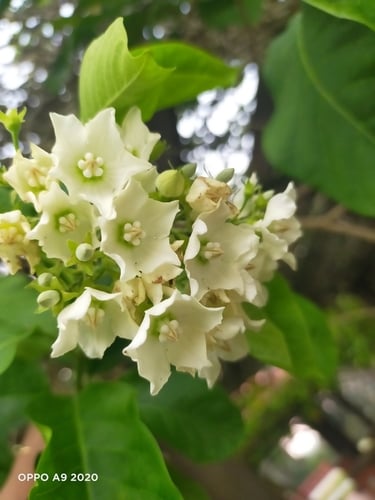
iNaturalist· cc-by-nc
(c) artea, some rights reserved (CC BY-NC)
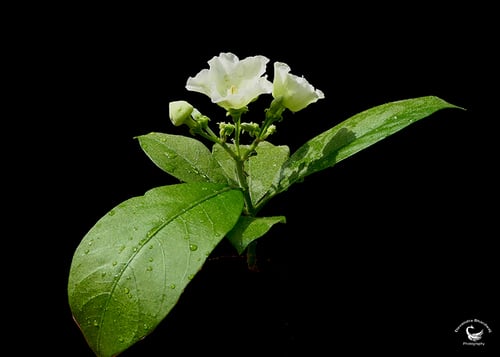
iNaturalist· cc-by-nc
(c) walterchien, some rights reserved (CC BY-NC)
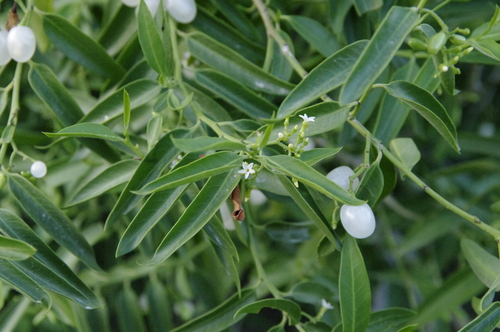
iNaturalist· cc-by-nc
(c) cyunf, some rights reserved (CC BY-NC)
Summary
Source: WikipediaA climbing plant reaching 5 m (16 ft 5 in) in height. Flowers May to August with seeds ripening July to October. Hermaphrodite blooms. Grows in light sandy, medium loamy, and heavy clay soils with mildly acid, neutral, or basic pH. Tolerates semi-shade or full sun and prefers moist soil.
Description
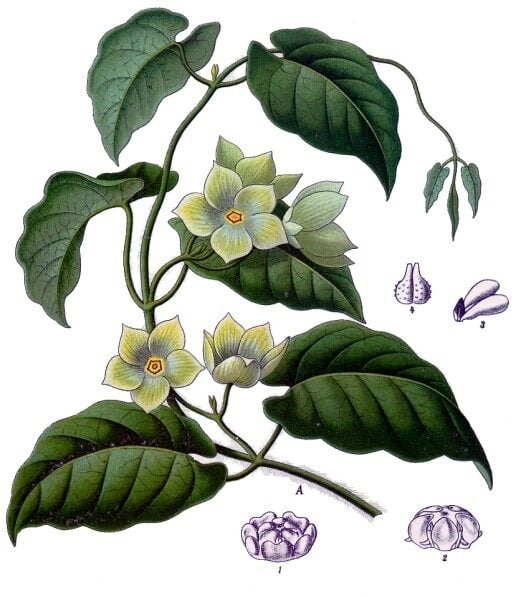
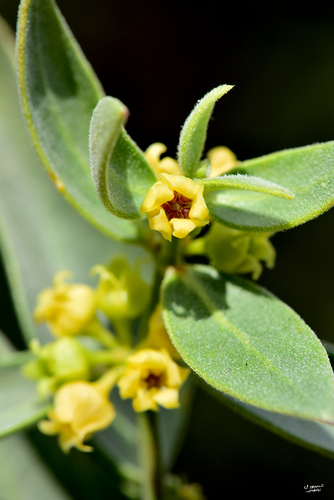
A creeper or vine. It grows 5 m long. It has rusty hairs. The leaf blade is 3-13 cm long by 1-9 cm wide. The base is heart shaped and in tapers to a short sharp tip. The flowering shoots are 4-13 cm long. The flowers are greenish yellow.
Edible Uses
None known
Traditional Uses
It is eaten as a herb.
This uses section is brief — help expand it
Medicinal Uses
The roots are antitussive, carminative, emetic and expectorant. A decoction is used in the treatment of leukaemia, asthma, coughing, traumatic injuries, rheumatoid backaches, pains in the stomach and abdomen, and poisonous snakebites.
Distribution
It is a tropical plant. In Yunnan. It occurs in the Western Ghats in India.
Where It Grows
Asia, China, Himalayas, India, Myanmar, Nepal, Pakistan, SE Asia, Taiwan, Vietnam,
Propagation
Seed.
Other Uses
None known
Synonyms
References (2)
- Ambasta, S.P. (Ed.), 2000, The Useful Plants of India. CSIR India. p 658 (As Tylophora mollissima)
- Flora of China.