Boesenbergia longiflora
(Wall.) Kurtze
iNaturalist· cc-by-nc
(c) Sudeep Rai, some rights reserved (CC BY-NC), uploaded by Sudeep Rai
wikimedia· cc0
Wikimedia Commons - Curtis, Charles M.; Drake, S. A.; Gorachaud.; Treuttel and Würtz.; Vishnupersaud.; Wallich, N.
Description
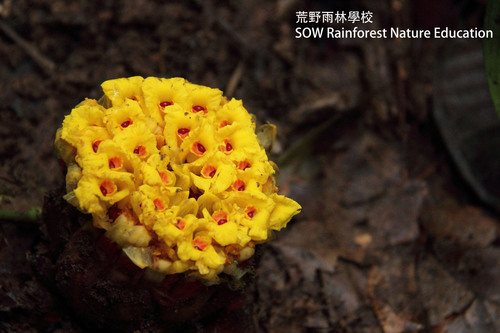
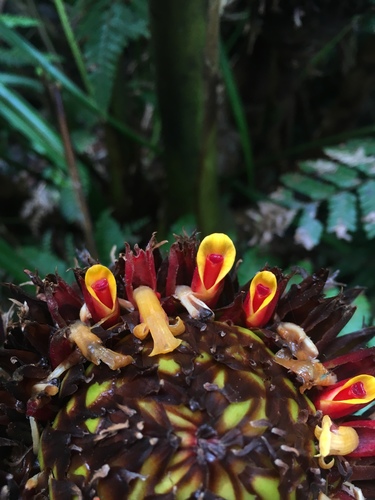
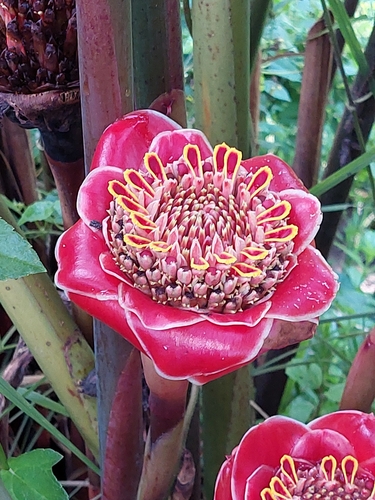
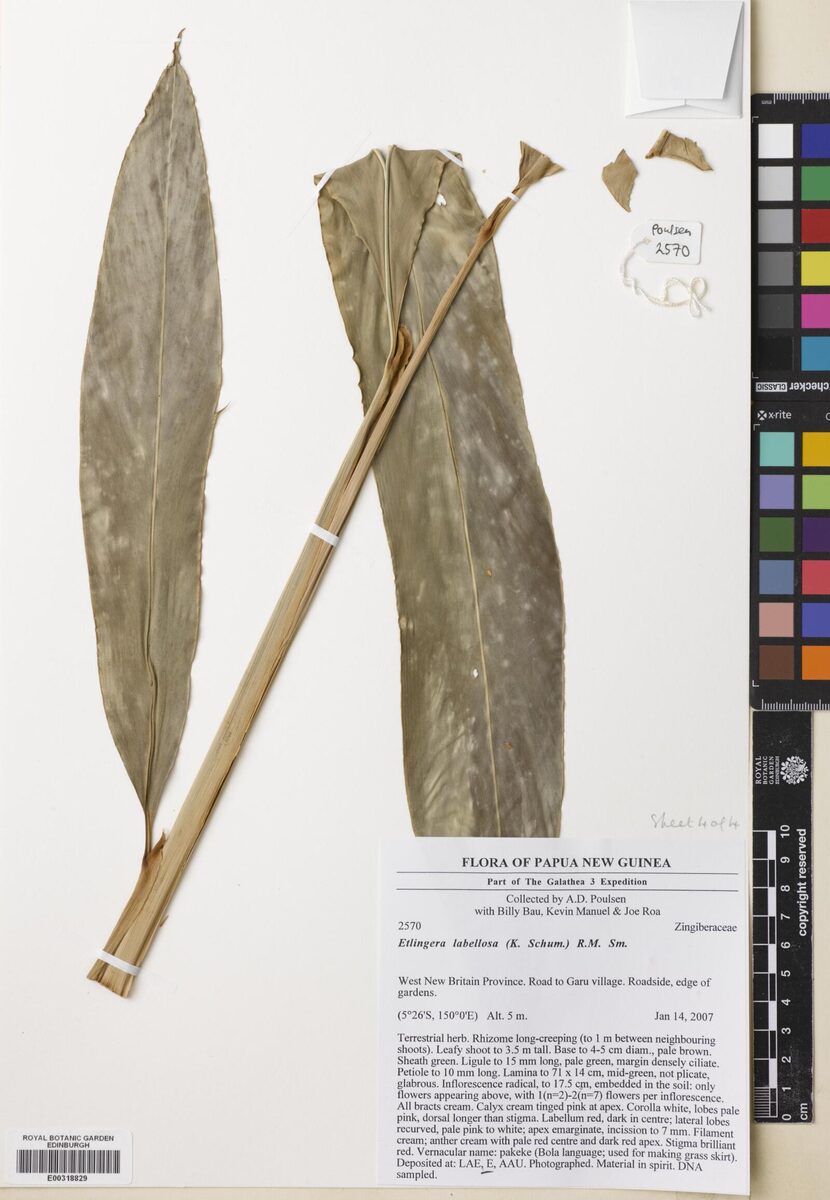
A herb. It grows 50-60 cm tall. The roots are robust. The leaves are oval and 8-12 cm long by 5-9 cm wide. The base is heart shaped and the has a short point. The flowers are on separate shoots coming from the rhizome. There are 3-6 flowers and they are bluish purple.
Edible Uses
The leaf stalks are boiled and eaten; the flowers are also edible.
Traditional Uses
The leaf stalk is boiled and eaten.
This uses section is brief — help expand it
Distribution
It is a tropical plant. It grows in forests in mountains between 1,100-1,900 m above sea level in southern China. In XTBG Yunnan. In Calicut Uni BG.
Where It Grows
Asia, China, India, Indochina, Laos, Myanmar, Northeastern India, SE Asia, Thailand,
Synonyms
Also Known As
Ai-thur, Lochet
References (2)
- Kar, A., et al, 2013, Wild Edible Plant Resources used by the Mizos of Mizoram, India. Kathmandu University Journal of Science, Engineering and Technology. Vol. 9, No. 1, July, 2013, 106-126 (As Curcumorpha longiflora)
- Teron, R. & Borthakur, S. K., 2016, Edible Medicines: An Exploration of Medicinal Plants in Dietary Practices of Karbi Tribal Population of Assam, Northeast India. In Mondal, N. & Sen, J.(Ed.) Nutrition and Health among tribal populations of India. p 157 (As Curcumorpha longiflora)