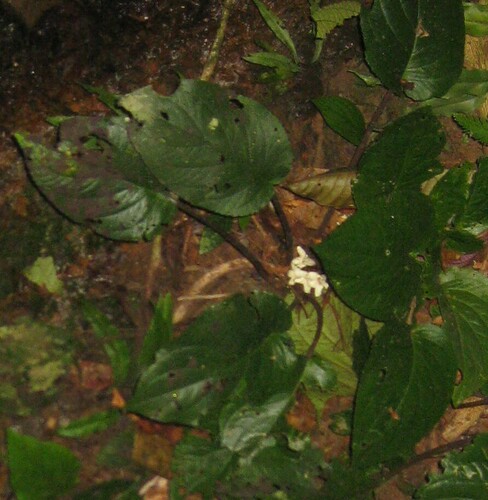
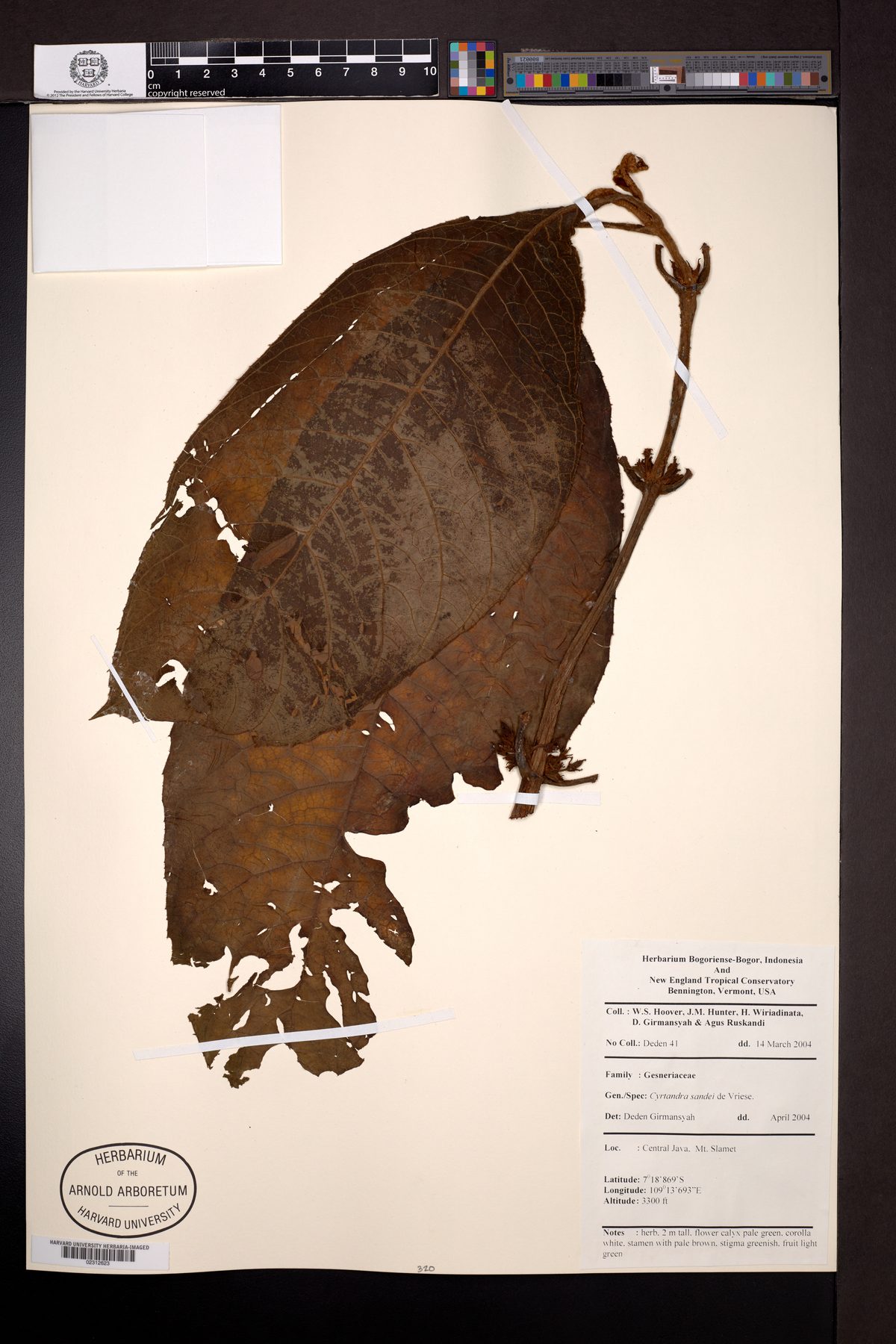
Aeschynanthus parviflorus
(D. Don) Spreng.
Sikkim blushwort
iNaturalist· cc-by-nc
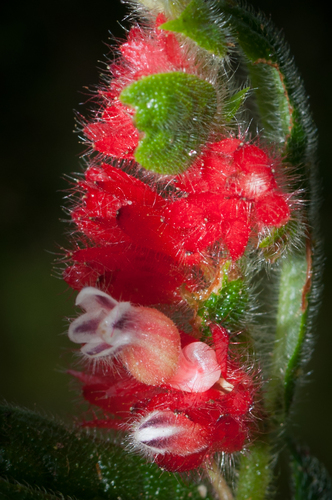
(c) Basu Dev Neupane, some rights reserved (CC BY-NC)
iNaturalist· cc-by-nc
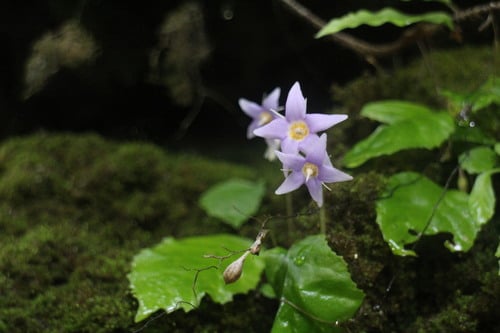
(c) Basu Dev Neupane, some rights reserved (CC BY-NC)
iNaturalist· cc-by-nc
(c) sisirsiwakoti, some rights reserved (CC BY-NC)
Description
A shrub. It grows hanging on larger plants. The stems are green and 1 m long. The leaves are opposite and thick and leathery. They are sword shaped and 12 cm long. The flowers are red and 3 cm long. They are in clusters at the ends of the branches. The flowers are tube shaped with small rounded petals at the tip. The fruit is a narrow capsule 30-50 cm long. The seeds have long hairs.
Edible Uses
The flowers are eaten raw or cooked with meat.
Traditional Uses
The flowers are eaten with meat. They are also eaten raw.
This uses section is brief — help expand it
Medicinal Uses
No medicinal uses documented in provided data.
Distribution
It is a tropical plant.
Where It Grows
Asia, Bhutan, Himalayas, India, Nepal, Northeastern India, Sikkim,
Synonyms
Also Known As
Baklay patay, Bawlte-hlan-tai
References (2)
- Kar, A., et al, 2013, Wild Edible Plant Resources used by the Mizos of Mizoram, India. Kathmandu University Journal of Science, Engineering and Technology. Vol. 9, No. 1, July, 2013, 106-126 (As Aeshynanthus maculata)
- Khodram,S. D., et al, 2019, Local knowledge of edible flowers used in Mizoram. Indian Journal of Traditional Knowledge Vol 18(40 pp 715-723