Prosopis alpataco
Phil.
iNaturalist· cc-by-nc
(c) Martin Arregui, some rights reserved (CC BY-NC)
iNaturalist· cc-by-nc
(c) Martin Arregui, some rights reserved (CC BY-NC)
iNaturalist· cc-by-nc
(c) Nicolás Velasco, some rights reserved (CC BY-NC)
Description
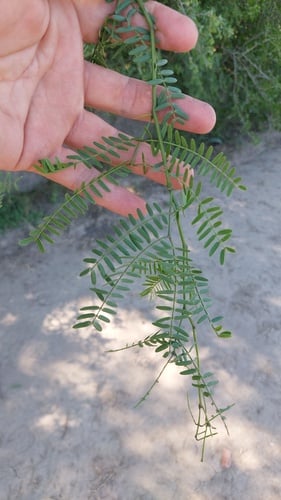
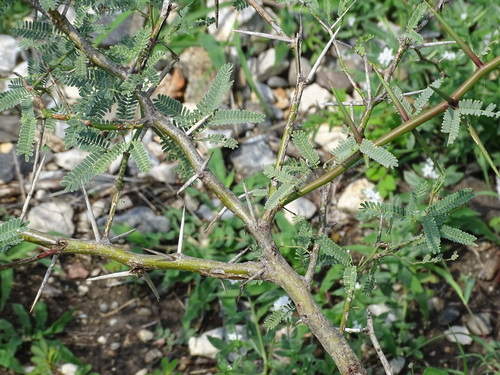
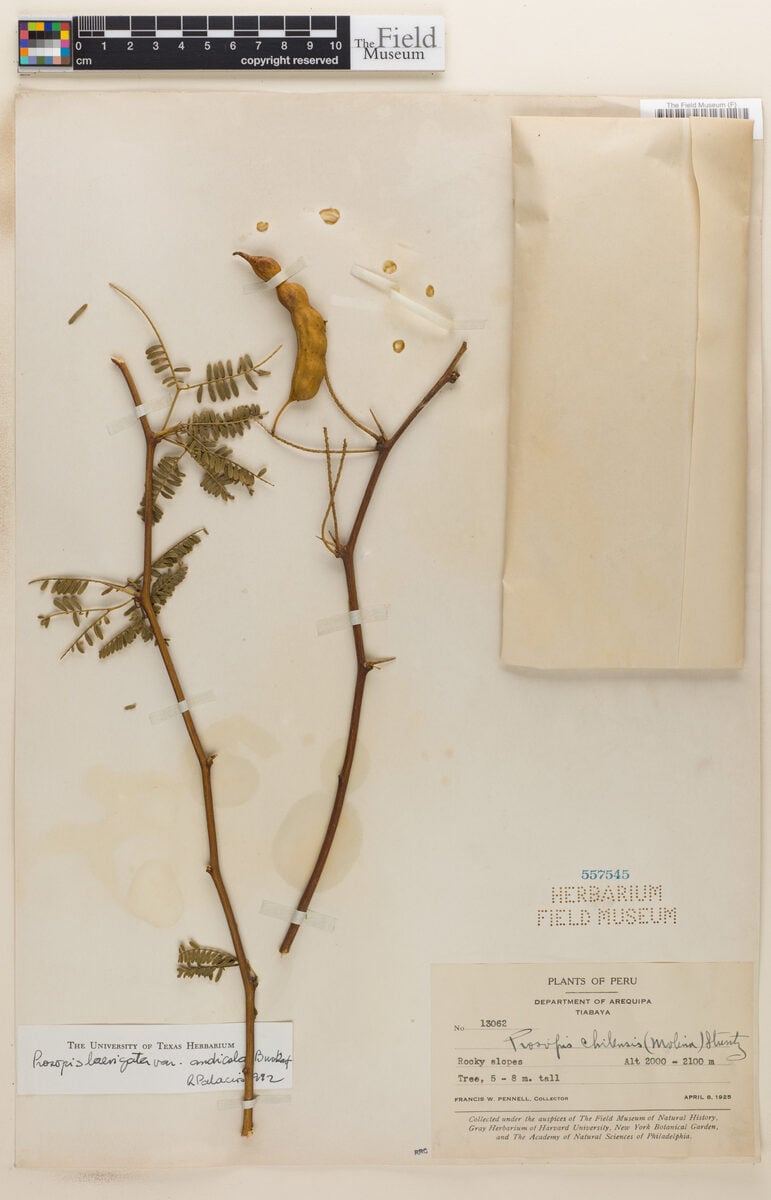
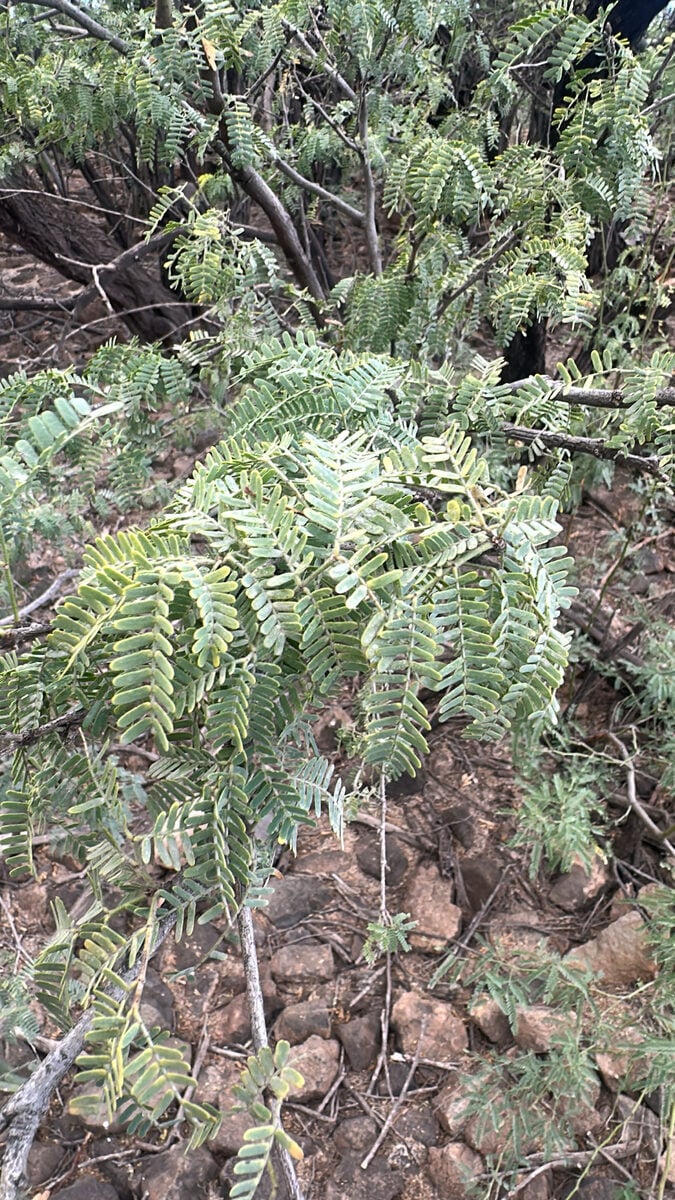
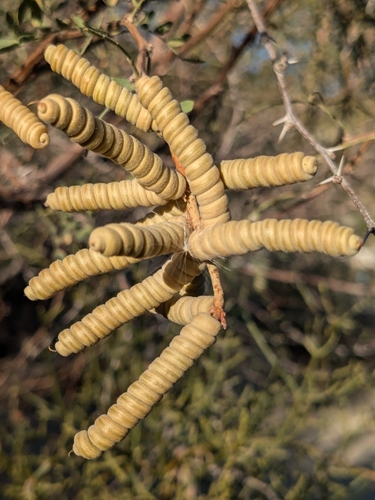
A shrub. It can grow to 3 m tall and spread 10 m wide. The leaves have leaflets along the stalk. It has large spines. The pods are 7-17 cm long.
This description is brief — help expand it
Edible Uses
Seedpods - cooked. A thin layer of edible pulp is found inside the seedpod, it usually has a bitter flavour, though some plants with a sweeter-flavoured pulp can be found. A syrup can be made from the pods, though it is not acceptable to all palates. The seedpods are 7 - 17cm long and 6 - 12mm wide.
Medicinal Uses
Infusions of both the leaves and seedpods are used medicinally, and are considered to be antiinflammatory, astringent and expectorant. They are used to treat conditions such as diarrhoea and dysentery, colds and flu.
Distribution
It is a temperate plant. In Argentina it grows between 500-2,500 m above sea level.
Where It Grows
Andes, Argentina, Bolivia, Chile, South America*,
Cultivation
Prosopis alpataco is native from the arid temperate climate of southern central Argentina north to the tropics of southern Bolivia. In Argentina it can grow in areas where the mean annual rainfall is in the range 80 - 200mm, and the mean annual temperature is 15 - 17°c. Species in this genus generaly require a sunny position in a well-drained soil. This species, however, is most commonly found growing in saline and alkaline, clay soils in areas subject to seasonal inundation and along river banks where floods are frequent. Plants have a high tolerance of saline conditions, even when young. The plant has a deep root system that extends downwards to reach the groundwater table. This species has a symbiotic relationship with certain soil bacteria; these bacteria form nodules on the roots and fix atmospheric nitrogen. Some of this nitrogen is utilized by the growing plant but some can also be used by other plants growing nearby.
Propagation
Like many species within the family Fabaceae, once they have ripened and dried the seeds of this species may benefit from scarification before sowing in order to speed up and improve germination. This can usually be done by pouring a small amount of nearly boiling water on the seeds (being careful not to cook them!) and then soaking them for 12 - 24 hours in warm water. By this time they should have imbibed moisture and swollen - if they have not, then carefully make a nick in the seedcoat (being careful not to damage the embryo) and soak for a further 12 hours before sowing.
Other Uses
The wood is not as durable as some other members of the genus, and it is also considered to be weak; it is little used, but is sometimes employed in rural constructions and for poles. The stems are used to make barrier fences to keep out intruders. The wood is generally considered a poor fuel since it burns quickly. The roots are more commonly used than the trunks, and usually in combination with the wood of other species. The plant is used in sand stabilization projects and to provide wind protection. It has a good potential for use as a pioneer species in revegetating degraded areas. The plant is very spiny and so it is sometimes grown as a barrier hedge. The flowers are a good source of nectar and pollen for bees - the honey produced is of good quality.
Also Known As
Alpataco, Soil mamul
References (4)
- Kermath, B. M., et al, 2014, Food Plants in the Americas: A survey of the domesticated, cultivated and wild plants used for Human food in North, Central and South America and the Caribbean. On line draft. p 703
- Molares, S. & Ladio, A., 2012, The Usefulness of Edible and Medicinal Fabaceae in Argentine and Chilean Patagonia: Environmental Availability and Other Sources of Supply. Evidence-Based Complementary and Alternative Medicine. Volume 2012, Article ID 901918, 12 pages, Hindawi Publishing Corporation.
- Tropical Plants Database, Ken Fern. tropical.theferns.info
- www.hidawi.com/journals/ecam/2012/901918/tab1/