Xylosma longifolia
Clos
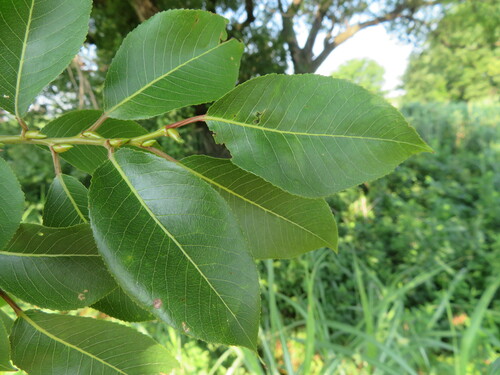
iNaturalist· cc-by-nc
(c) sprops, some rights reserved (CC BY-NC)
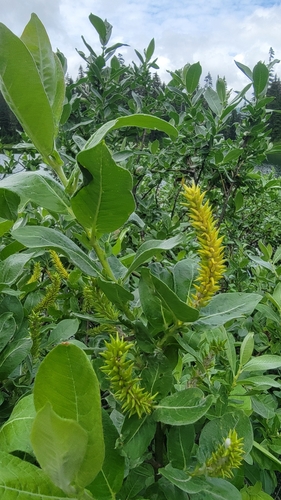
iNaturalist· cc-by-nc
(c) sprops, some rights reserved (CC BY-NC)
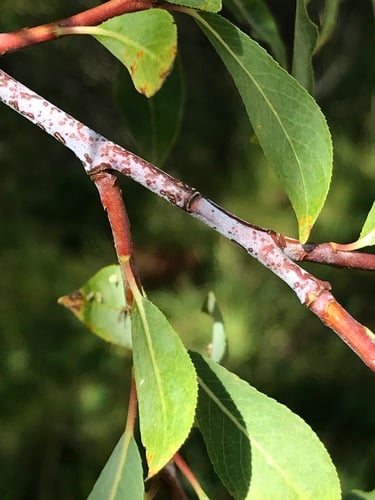
iNaturalist· cc-by-nc
(c) Tree Fong, some rights reserved (CC BY-NC)
Summary
Source: WikipediaXylosma longifolia, known by numerous common names in different cultures, is a species of flowering plant in the willow family Salicaceae. It is native to areas from India to China and mainland Southeast Asia, where it occurs in moist tropical and subtropical forests. It is a small tree or shrub, and is widely used in traditional medicines.
Description
A shrub or small tree. It grows 4-7 m tall. There are spines on the small branches. The leaves are oblong and 4-15 cm long by 3-5 cm wide. There are teeth along the edge. The flowers are in small clusters in the axils of the leaves. The flowers are greenish. The fruit are red when ripe. They are 4-6 mm across. There are 4-5 seeds.
Edible Uses
The ripe red fruit is eaten.
Distribution
It is a subtropical plant. It grows in mountain forests between 1,000-1,600 m above sea level in southern China. In Yunnan.
Where It Grows
Asia, China, Himalayas, India, Indochina, Laos, Myanmar, Nepal, SE Asia, Thailand, Vietnam,
Production
In China plants flower in April to May and fruit June to October.
Also Known As
Mochuong la-dai
References (2)
- Mansfeld,
- Masoodi, H. U. R. & Sundriyal, R. C., 2020, Richness of non-timber forest products in Himalayan communities—diversity, distribution, use pattern and conservation status. Journal of Ethnobiology and Ethnomedicine 16:56