Zamia loddigesii
Miq.
Bulletproof cycad
iNaturalist· cc-by-nc
(c) Annamaria Savarino, some rights reserved (CC BY-NC), uploaded by Annamaria Savarino
iNaturalist· cc-by
(c) Tereso Hernández Morales, some rights reserved (CC BY), uploaded by Tereso Hernández Morales
iNaturalist· cc-by
(c) Tereso Hernández Morales, some rights reserved (CC BY), uploaded by Tereso Hernández Morales
Summary
Source: WikipediaZamia loddigesii, also known as teocinte, is a species of plant in the family Zamiaceae. It is found in Hidalgo, Oaxaca, Tamaulipas, and Veracruz states in Mexico. It is threatened by habitat loss.
Description
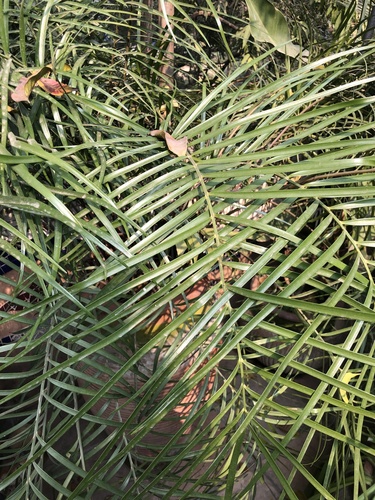
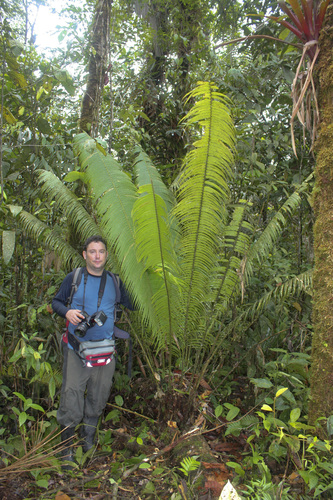
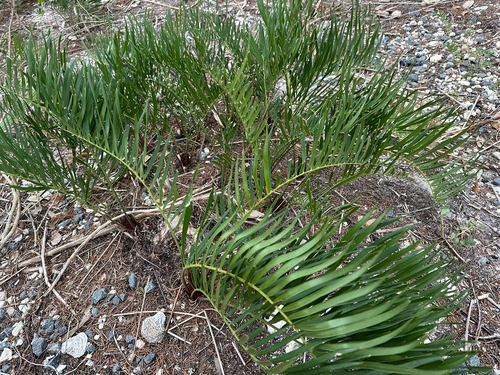
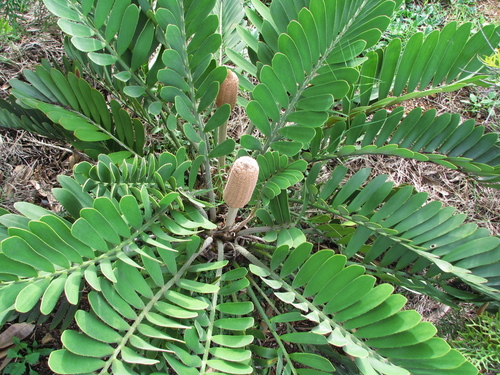
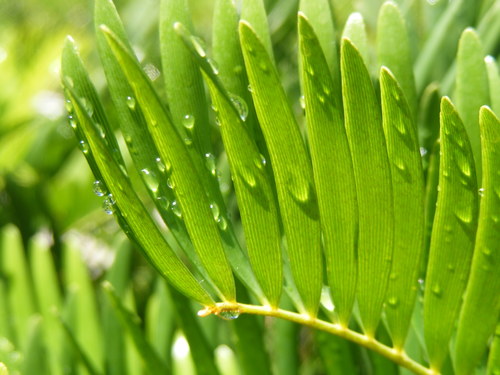
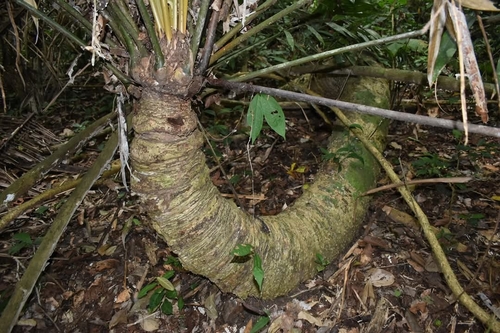
A cycad. It has an underground stem 12 cm across. There are 2-6 erect or curved backwards leaves. These can be up to 1.5 m long. The leaf stalks have prickles.
Edible Uses
All parts of this plant are potentially toxic and should not be eaten unless effective measures are taken to remove the toxins. An edible starch can be obtained from the stems. This can be ground into a powder and used in making bread etc. It needs to be thoroughly cooked in order to destroy a poisonous principle.
Traditional Uses
The starch from the stem can be ground into a powder and uses to make bread. Caution: The stem starch needs to be cooked to remove poisons.
This uses section is brief — help expand it
Known Hazards
The fleshy seeds contain a toxic glycoside that causes headaches, vomiting, stomach pains and diarrhoea if ingested. The juice from the plant is very poisonous. The starch obtained from the stem is poisonous unless thoroughly cooked.
Distribution
It is a tropical plant. It grows from sea level to 1,000 m above sea level. It is best in a sunny position in a well-drained soil. It grows in low dry deciduous forests.
Where It Grows
Asia, Australia, Belize, Central America, El Salvador, Guatemala, Honduras, Indonesia, Mexico*, North America, SE Asia,
Cultivation
Plants can be grown from fresh seed. The fleshy coat is removed and the seeds are sown in damp sand.
Propagation
Seed - remove the fleshy coating and surface sow on damp sand. Germination is best at around 23 - 29°c. Pot up young seedlings into a rich, moist medium, as soon as they are large enough to handle and grow on at high temperatures without any check to growth until 2 - 3 leaves have been produced at one time, otherwise they may enter dormancy.
Other Uses
A starch obtained from the stems can be used as a laundry starch.
Also Known As
Sikas anti peluru, Sikas mini
References (2)
- Fern, K., 2012, Tropical Species Database http://theferns.info/tropical/
- Sukarya, D. G., (Ed.) 2013, 3,500 Plant Species of the Botanic Gardens of Indonesia. LIPI p 833