Plectranthus parviflorus
Willd.
Sudan potato
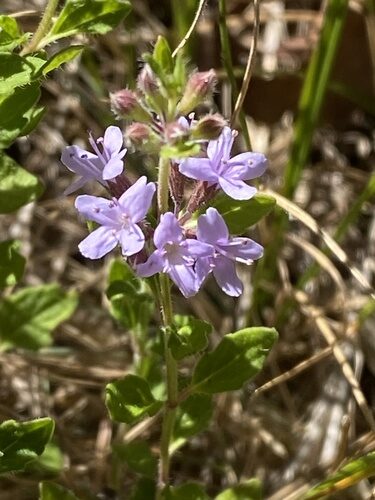
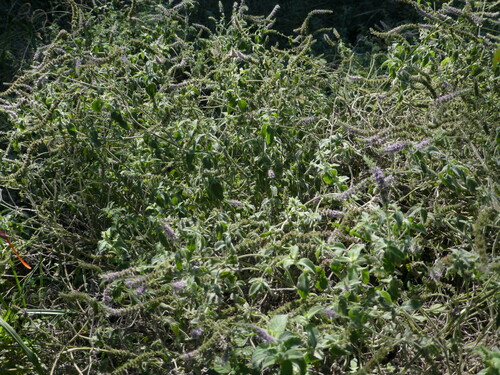
iNaturalist· cc-by-nc
(c) toohey-forest-wildlife, some rights reserved (CC BY-NC)
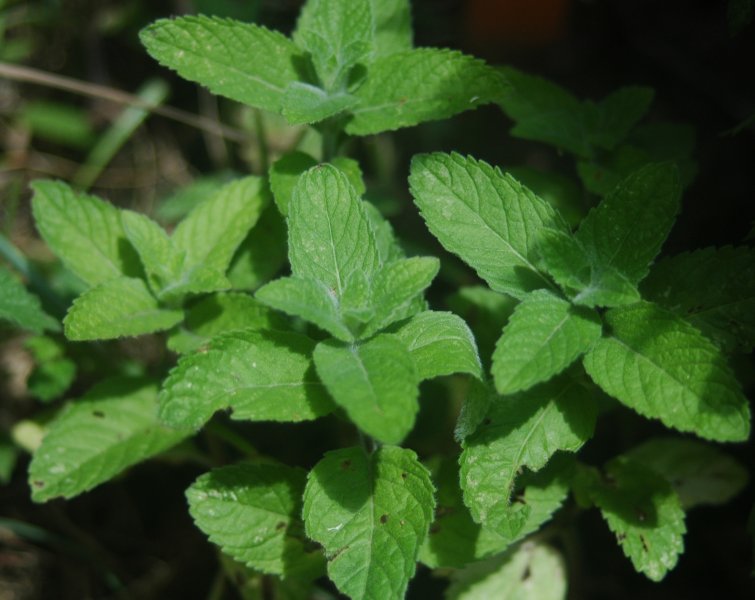
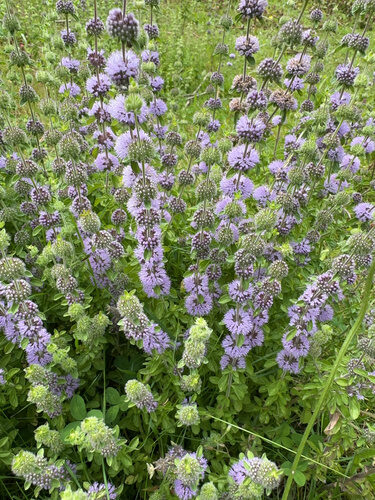
iNaturalist· cc-by-nc
(c) robgiii, some rights reserved (CC BY-NC)
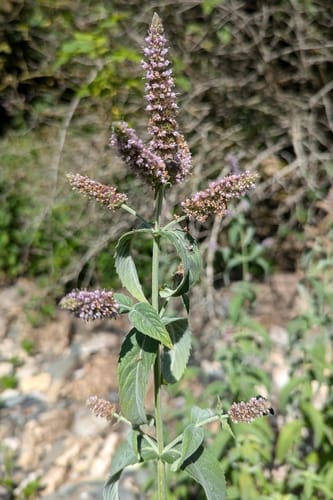
iNaturalist· cc-by-nc
(c) PeterCopping, some rights reserved (CC BY-NC)
Description
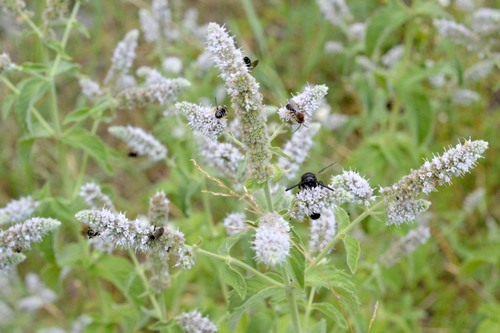
A herb or shrub that grows from a tuberous rootstock. It can be 20 cm to 1 m tall. The leaves are 1-3 cm long by 1-4 cm wide. They have large teeth along the edge. Leaves are hairy. The flowering shoots are 30 cm long. They flowers are 4-5 mm across and in rings of six. The fruit are 4-5 mm long.
Edible Uses
The tubers are boiled or baked like potatoes and eaten as a vegetable. The leaves are also eaten.
Traditional Uses
The tubers are boiled or baked like a potato and eaten as a vegetable.
This uses section is brief — help expand it
Medicinal Uses
A poultice of the leaves, or a wash made from an infusion of them, is used as a treatment for syphilitic sores. The plant has been shown to contain compounds that inhibit HIV-1 integrase.
Distribution
It is a tropical plant. It grows in drier areas. Plants can produce with 100 mm of rainfall.
Where It Grows
Africa, Asia, Australia, Hawaii, Malaysia, Pacific, SE Asia,
Cultivation
Plants can be grown from seeds. They can also be grown from cuttings 10-20 cm long and by division of the sprouting tubers.
Propagation
Seed - not normally used for propagation. Cuttings about 10 - 20cm long. Division of sprouting tubers.
Other Uses
Plants easily reseed themselves around the mother plant. They can easily be re-planted to other locations or be allowed to remain to form a loose groundcover.
Production
Tubers are ready 4-5 months after planting. Yields of 4-7 tonnes per hectare are possible.
Other Information
It is cultivated.
Synonyms
References (3)
- Fern, K., 2012, Tropical Species Database http://theferns.info/tropical/
- Lukhoba, C. W., et al, 2006, Plectranthus: A review of ethnobotanical uses. Journal of Ethnopharmacology 103 (2006) 1–24
- Zeven, A. C. & de West, J. M. J., 1982, Dictionary of cultivated plants and their regions of diversity. Wageningen. p 56 (As Coleus parviflorus)