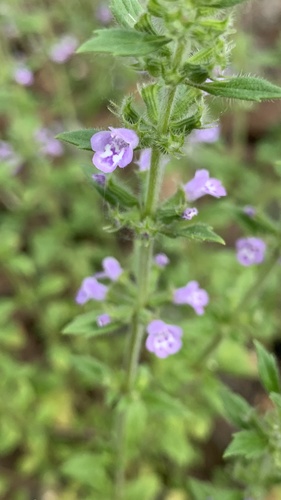
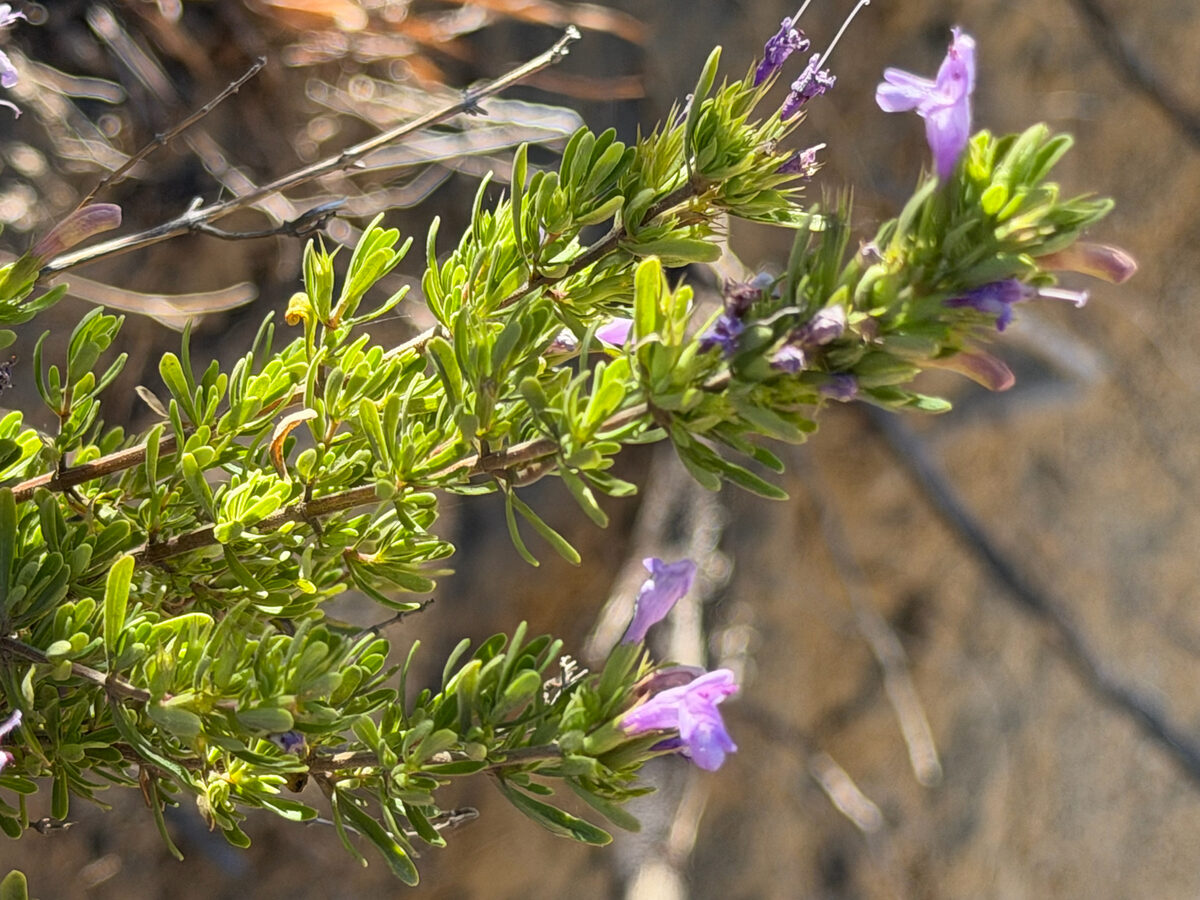
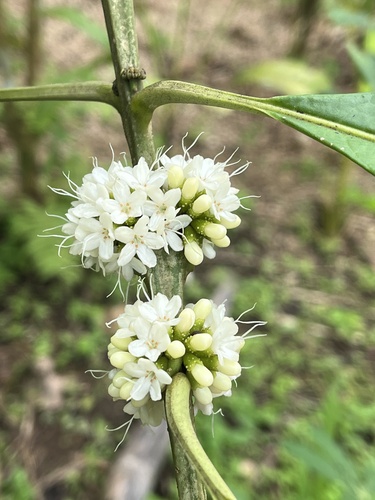
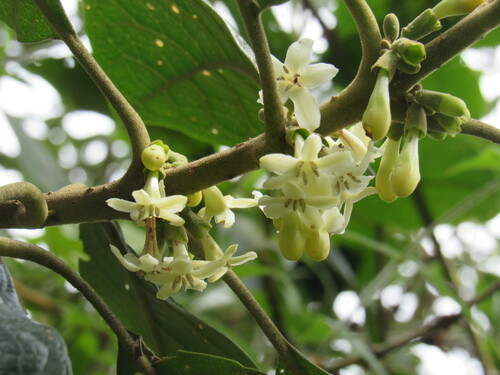
Mentha longifolia subsp. polyadena
(Briq.) Briq.
Wild mint
iNaturalist· cc-by-nc
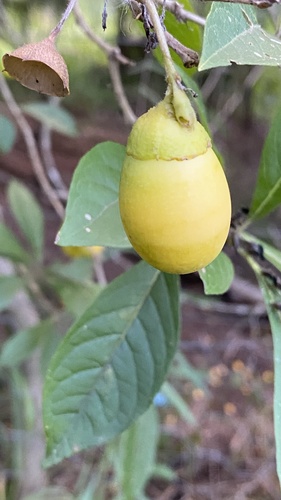
(c) Iván, some rights reserved (CC BY-NC)
iNaturalist· cc0
no rights reserved, uploaded by Jean-Paul Boerekamps
iNaturalist· cc-by-nc-sa
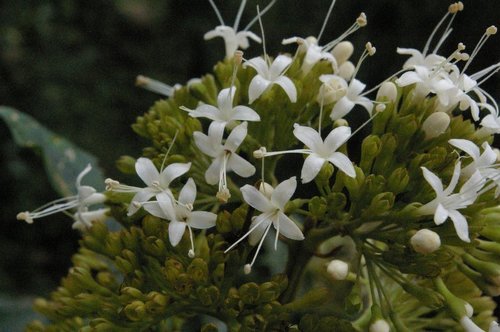
(c) Ateah Alfakih, some rights reserved (CC BY-NC-SA)
Summary
Source: WikipediaMentha longifolia, also known as horse mint, brookmint, fillymint or St. John's horsemint, is a species of plant in the family Lamiaceae. It is native to Europe excluding Britain and Ireland, western and central Asia (east to Nepal and far western China), and northern and southern (but not tropical) Africa.
Description
An erect herb. It grows 1 m tall. The stems are 4 sided and hairy. They are reddish brown and branched. The leaves are simple and opposite. They are narrowly sword shaped and do not have stalks. They are dark green and smooth above and more pale and hairy underneath. There are fine teeth along the edge. The flowers are in a dense spike like group. The flowers are 4 mm long. The fruit is a smooth oval nutlet.
Edible Uses
The fresh or dried leaves are used to make a tea-like drink.
Traditional Uses
The leaves are used fresh or dried to make a tea like drink.
This uses section is brief — help expand it
Medicinal Uses
Nicholas Culpeper's Complete Herbal (1653) states that "It is good for wind and colic in the stomach ... The juice, laid on warm, helps the King's evil or kernels in the throat ... The decoction or distilled water helps a stinking breath, proceeding from corruption of the teeth, and snuffed up the nose, purges the head. It helps the scurf or dandruff of the head used with vinegar." In addition, Mentha longifolia, like other Mentha species, is known to have important medicinal properties.
Distribution
It is a Mediterranean or subtropical plant.
Where It Grows
Africa, Eswatini, Lesotho, Slovenia, South Africa, Southern Africa, Swaziland,
Synonyms
Also Known As
Dolgolistna meta, Inxina, Inzinziniba, Kwena, Kwena-ya-thaba, Ufuthanelomhlanga
References (3)
- Fox, F. W. & Young, M. E. N., 1982, Food from the Veld. Delta Books. p 244
- http://www.botanic-gardens-ljubljana.com/en/plants
- Shava, S., 2000, The Use of Indigenous Plants as Food by a Rural Community in the Eastern Cape: an Educational Exploration. Masters Thesis Rhodes University. p 65