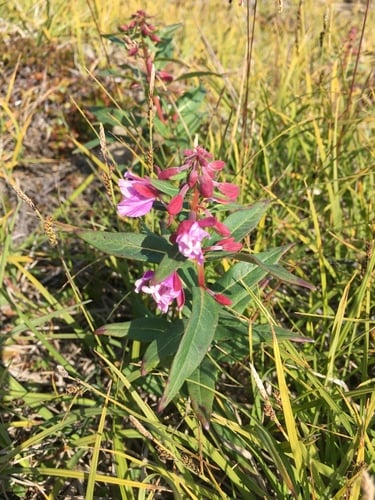
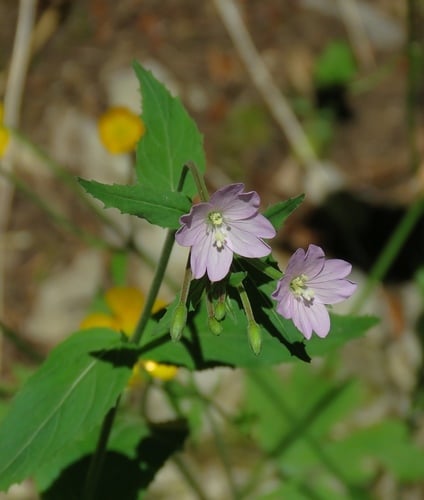
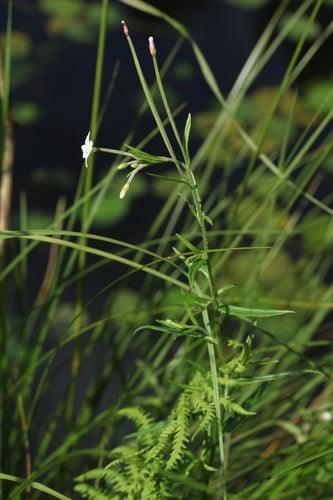
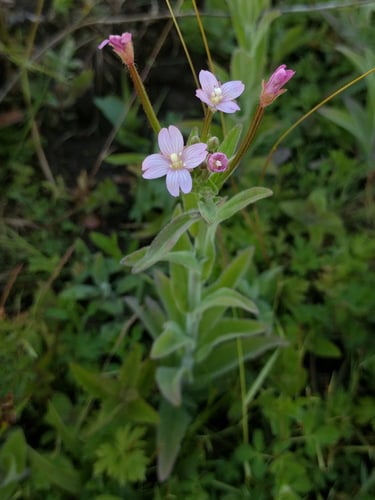
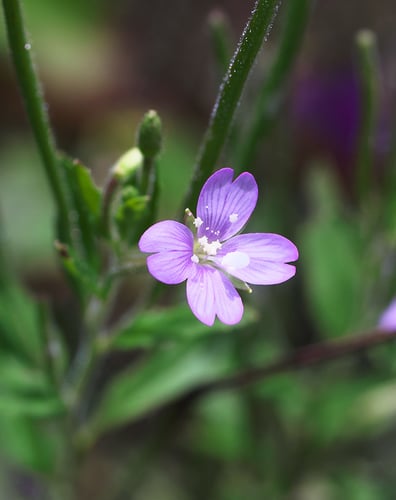
Chylismia claviformis
(Torr. & Frem.) A. Heller
Browneyes, Brown-eyed primrose
iNaturalist· cc-by-sa
(c) Joe Decruyenaere, some rights reserved (CC BY-SA)
iNaturalist· cc-by-nc
(c) Peri Lee Pipkin, some rights reserved (CC BY-NC)
iNaturalist· cc-by-nc
(c) Peri Lee Pipkin, some rights reserved (CC BY-NC)
Summary
Source: WikipediaChylismia claviformis is a species of wildflower known as browneyes or brown-eyed primrose native to North America. This species is found across western North America from the Pacific Northwest to northern Mexico.
Description
A plant that grows each year from seed. There is a ring of leaves at the base and stems 50 cm tall. The flowering shoot at the top has one or more flowers. Each flower has 4 white or yellow petals. The flower axis between the male and female parts or red or brown.
Edible Uses
The leaves are the recorded edible part, eaten fresh in small amounts or cooked for larger portions. Raw, their acrid stinging quality makes them unpleasant in any quantity, and the sensation tends to accumulate with repeated bites. Cooking reduces the sharpness and makes the flavour more manageable, though the leaves remain a tolerable rather than desirable green. This plant is best treated as a minor food supplement rather than a primary wild food. The plant does not appear to have been an important staple, and documentation of food use is infrequent.
Medicinal Uses
None known
Distribution
It is a warm temperate or subtropical plant. It grows in arid places.
Where It Grows
Mexico, North America, USA,
Propagation
Propagation is by seed. Seeds germinate readily with cool-season moisture. The plant naturally forms large seed banks and germinates in pulses after rain, allowing it to reappear strongly at the same sites when conditions align.
Other Uses
Brown eyes is sometimes grown or encouraged as a desert wildflower in restoration and native landscaping settings, where it typically prefers open soil, low competition, and natural rainfall patterns rather than heavy irrigation. Mass flowering provides seasonal nectar resources for pollinating insects in late winter and spring. Seeds that reach the ground are quickly incorporated into desert food webs, including heavy removal by ants. Dense seasonal growth can also temporarily stabilise soil surfaces in open desert patches.
Synonyms
References (1)
- Felger, R. S. 1980, Vegetation and Flora of the Gran Desierti, Sonora, Mexico. Desert Plants 2(2). Arizona-Sonora Desert Museum. p 9 (As Camissonia claviformis)