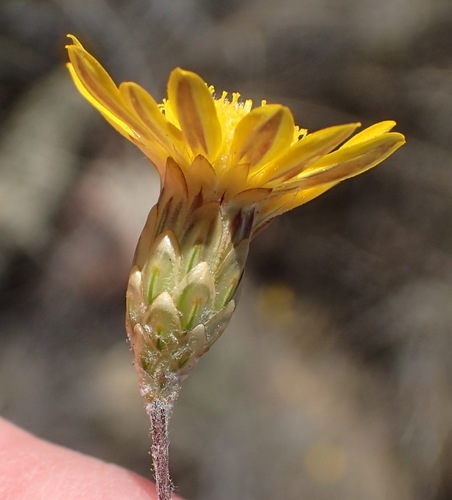
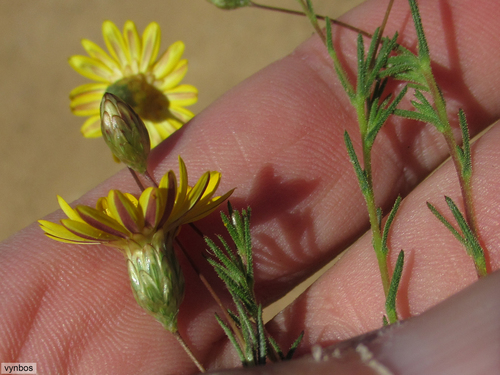
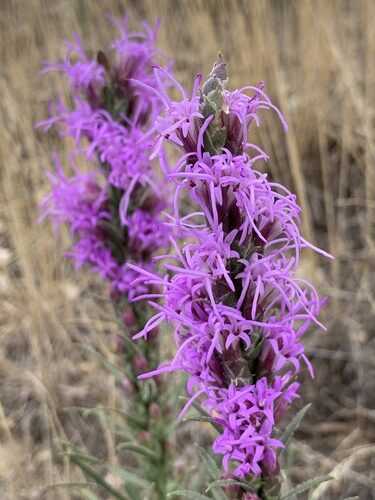
Adenostemma viscosum
J. R. Forst. & G. Forst.
Dung weed
iNaturalist· cc-by-nc
(c) Bart Wursten, some rights reserved (CC BY-NC), uploaded by Bart Wursten
iNaturalist· cc-by-nc
(c) Bart Wursten, some rights reserved (CC BY-NC), uploaded by Bart Wursten
iNaturalist· cc-by-nc
(c) Bart Wursten, some rights reserved (CC BY-NC), uploaded by Bart Wursten
Description
An annual herb of the Asteraceae family growing to about 1 m tall, found in tropical wet places near streams from sea level to 2,100 m elevation.
This description is brief — help expand it
Edible Uses
The leaves are bitter and are traditionally cooked and eaten with other vegetables.
Traditional Uses
The leaves are bitter so are cooked and eaten with other vegetables.
This uses section is brief — help expand it
Medicinal Uses
Used in medicine.
Distribution
It is a tropical plant. It grows in wet places near streams. It grows from sea level up to 2,100 m above sea level.
Where It Grows
Africa, American Samoa, Andaman Is., Asia, Australia, Benin, Burkina Faso, Burundi, Hawaii, Madagascar, Marquesas, Northeastern India, Pacific,
Cultivation
Plants can be grown from seeds.
Other Uses
The plant is the source of a blue dye.
Notes
It is used in medicine.
Synonyms
Also Known As
Fotokosy
References (4)
- Fern, K., 2012, Tropical Species Database http://theferns.info/tropical/
- Kew Plants of the World Online
- PROSEA
- World Checklist of Useful Plant Species 2020. Royal Botanic Gardens, Kew