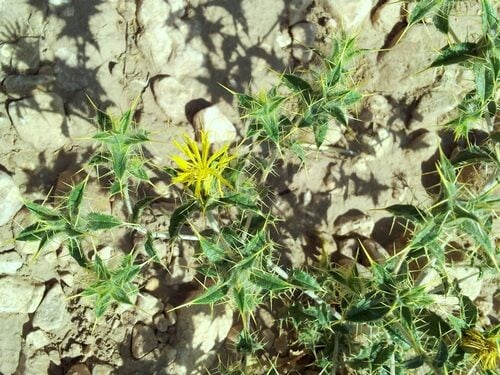
Gaillardia aristata
Pursh.
Common gaillardia, Blanketflower
iNaturalist· cc-by-nc
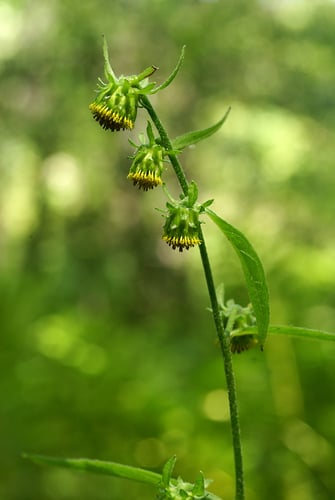
(c) Maria Conchita, some rights reserved (CC BY-NC), uploaded by Maria Conchita
iNaturalist· cc-by-nc
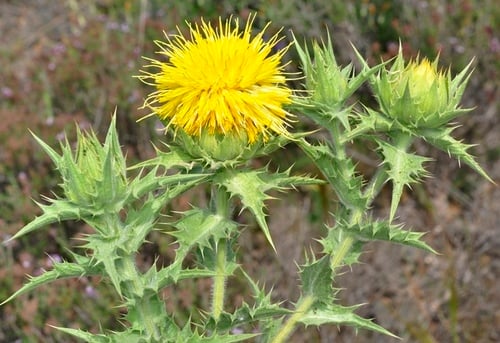
(c) Damon Tighe, some rights reserved (CC BY-NC), uploaded by Damon Tighe
iNaturalist· cc-by-nc
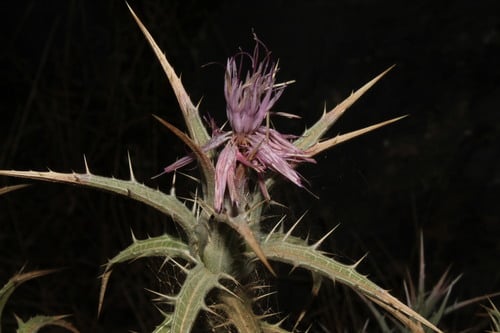
(c) John Williams, some rights reserved (CC BY-NC), uploaded by John Williams
Summary
Source: WikipediaGaillardia aristata is a North American species of flowering plant in the sunflower family. It is known by the common names common blanketflower and common gaillardia. This perennial wildflower is native to the Great Plains and Rocky Mountains, but cultivars have been introduced in much of North America and Europe. Blanketflower is an early- to mid-successional species typically found growing alongside native grasses, sagebrush, or conifers. It is pollinated by a variety of bees and beetles, and host to Schinia masoni. Indigenous communities of the Pacific Northwest and northern plains used blanketflower as an ingredient in a variety of medicines, including those for heatstroke, headaches, and tuberculosis. The first Gaillardia aristata specimen was collected in 1806 on the Lewis and Clark expedition, and first described by Frederick Pursh in 1814.
Description
A herb. It keeps growing from year to year. It grows 20-90 cm tall. There are leaves at the base and on the stems. They are 4-5 cm long by 3-8 mm wide.
Edible Uses
The flower heads are used to absorb soups.
Traditional Uses
The flower heads are use to absorb soups.
This uses section is brief — help expand it
Medicinal Uses
Some Plateau Indian tribes used blanketflower to treat wounds and settle fevers. Okanagan and Colville peoples used blanketflower to treat backaches, kidney problems, and venereal disease, while Nlaka'pamux people used it for headaches, mumps, and tuberculosis. Blackfeet people used G. aristata to treat gastroenteritis, sunstroke, and skin disorders. The plant was also used to treat horse saddle sores and to make rawhide waterproof.
Distribution
It is a temperate plant. In Argentina it grows below 500 m above sea level.
Where It Grows
Africa, Argentina, Asia, Brazil, Canada, Central Asia, Chile, China, East Africa, Mozambique, North America, Slovenia, South America, Tajikistan, USA
Also Known As
Kokarda
References (1)
- Moerman, D. F., 2010, Native American Ethnobotany. Timber Press. p 241