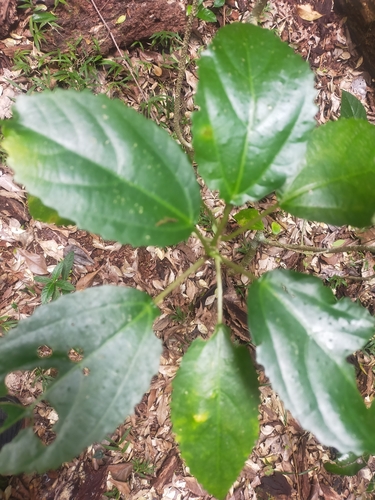
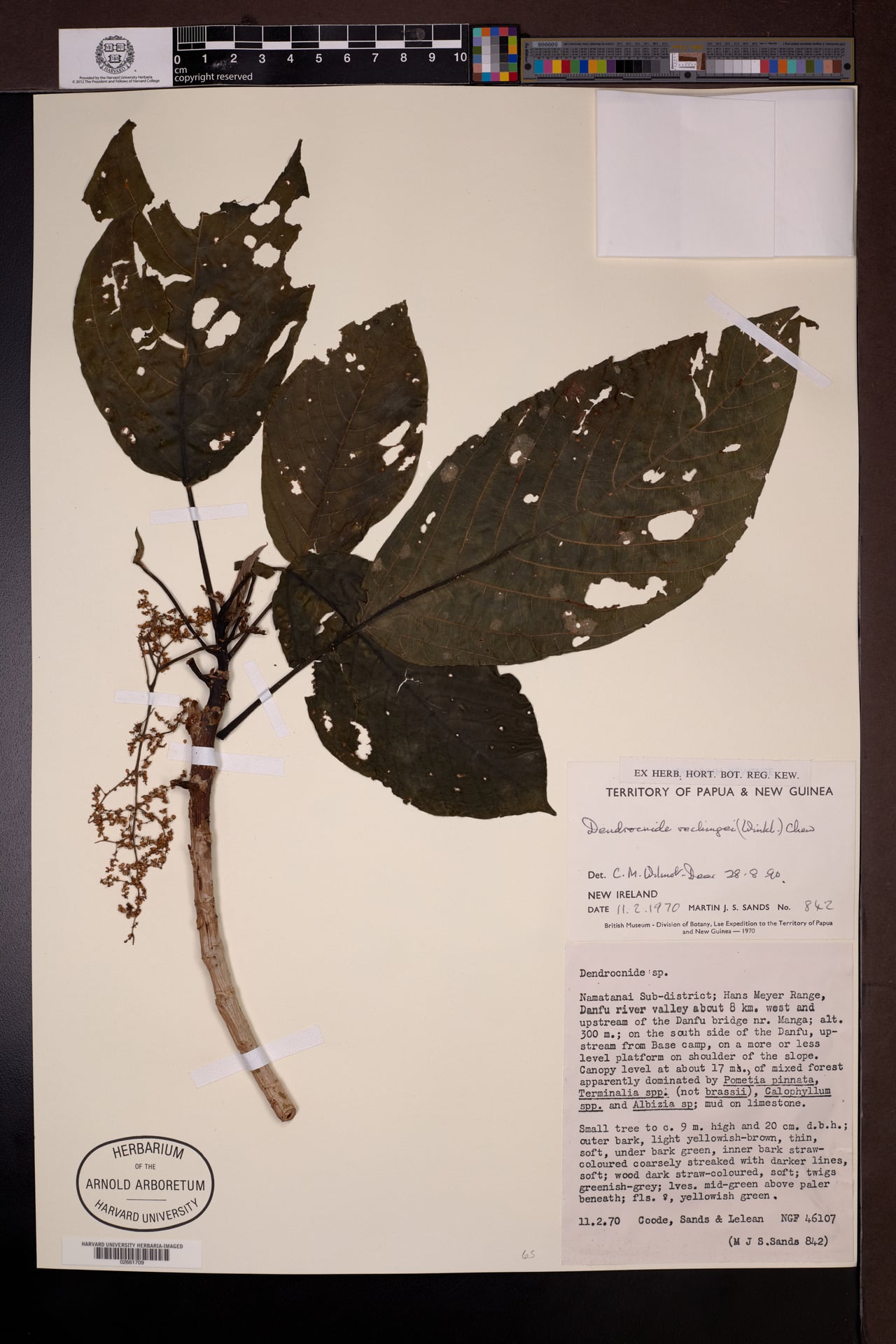
Leucosyke capitellata
Wedd.
iNaturalist· cc-by-nc-sa
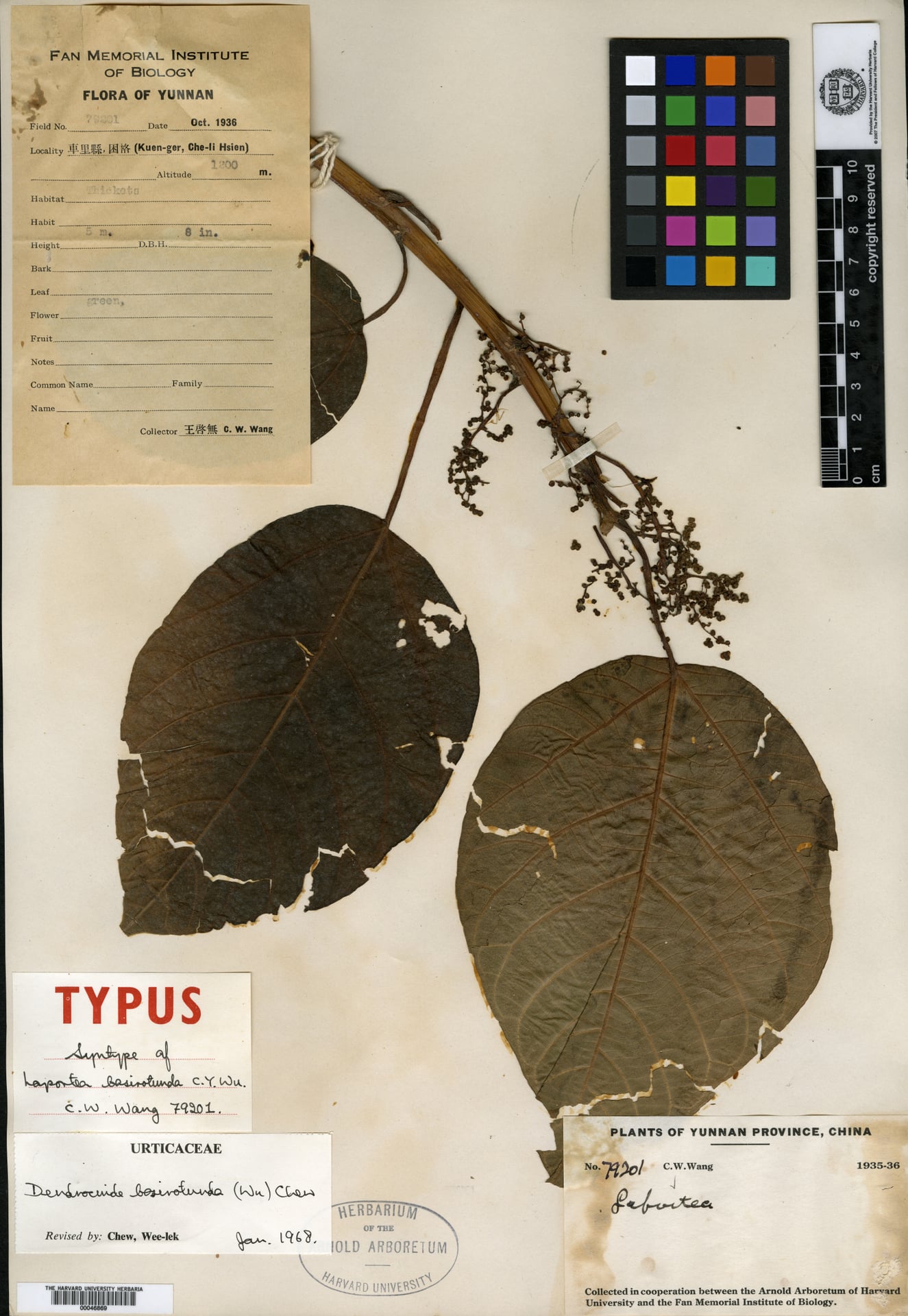
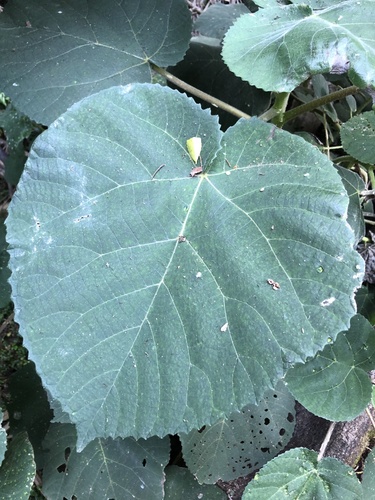
(c) Sustainable Strategies Network, some rights reserved (CC BY-NC-SA), uploaded by Sustainable Strategies Network
iNaturalist· cc-by-nc
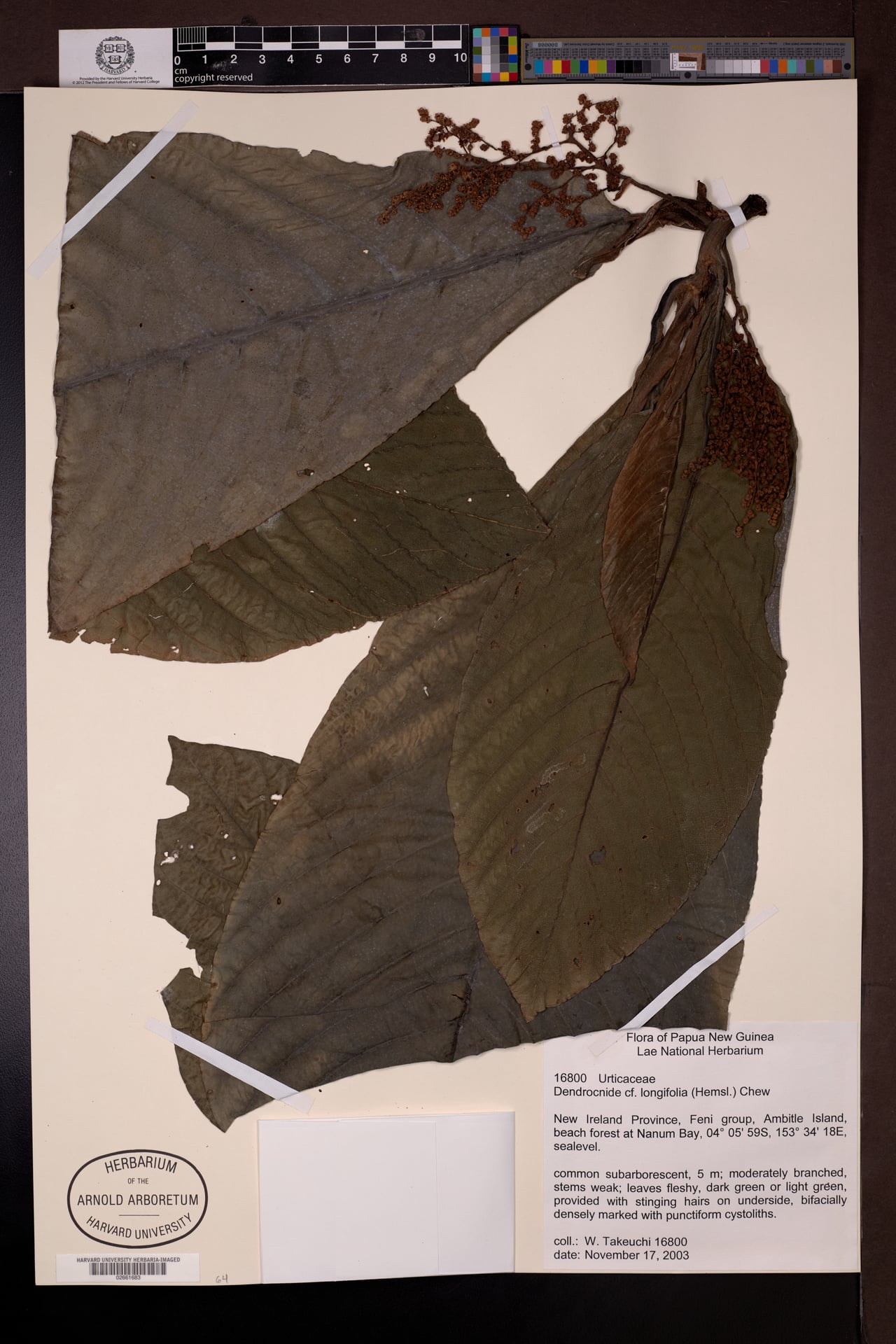
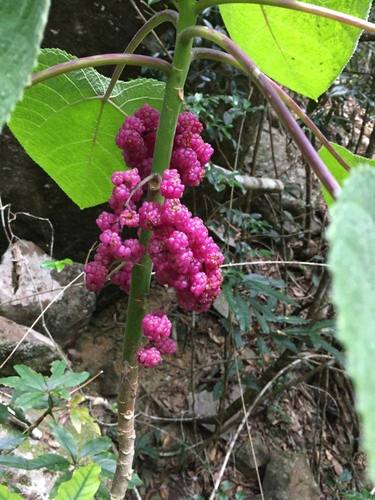
(c) wenj, some rights reserved (CC BY-NC)
Description
A tropical shrub or small tree of the Urticaceae family.
This description is brief — help expand it
Edible Uses
We have no reports of the leaves being edible, but they are said to be a particularly rich source of magnesium (containing 626 mg/100 g).
Medicinal Uses
A decoction of the roots is used in the treatment of phthisis, coughs, headache and gastralgia. A decoction of the leaves is used in the treatment of diabetes, high blood pressure and lumbago
Known Hazards
Unlike many species in the nettle family (Urticaceae), members of this genus do not have stinging hairs.
Distribution
It is a tropical plant.
Where It Grows
Asia, Malaysia, SE Asia,
Cultivation
A dioecious species, both male and female forms need to be grown if fruit and seed are required.
Other Uses
A strong fibe obtained from the bark is used in making ropes. The leaves are rough to the touch on one side, and this is used for scouring pots and pans
References (2)
- Hoe, V. B. & Siong, K. H., 1999, The nutritional value of indigenous fruit and vegetables in Sarawak. Asia Pacific J. Clin. Nutr. 8(1):24-31
- World Checklist of Useful Plant Species 2020. Royal Botanic Gardens, Kew