Chenopodium californicum
(S. Watson) S. Watson
California goosefoot
iNaturalist· cc-by-nc
(c) OCRanger, some rights reserved (CC BY-NC)
iNaturalist· cc-by-nc
(c) Larry Chen, some rights reserved (CC BY-NC)
iNaturalist· cc-by
(c) Alisa Kim, some rights reserved (CC BY)
Summary
Source: WikipediaAn annual herb growing to 0.6 m tall. Flowers July to October with seeds ripening August to October. Tolerates light sandy, medium loamy, and heavy clay soils across mildly acidic to basic pH ranges. Requires full sun and tolerates both dry and moist soil conditions. Wind-pollinated hermaphrodite.
Description
A herb. It keeps growing from year to year. It can grow 1 m tall. It can have many stems and form a mat. The leaf stalks are long. The leaves are sword shaped or arrowhead shaped. They are 10 cm long. There are sharp teeth along the edges. The flowers are in round clusters dotted along a flowering stalk. Each cluster has sveral flowers. Flat lobes of the flower cover the fruit.
Edible Uses
The leaves and young shoots can be cooked and used like spinach. Raw leaves should only be eaten in small quantities. The seed can be cooked, or dried and ground into a powder for use with cereal flours in making bread and similar foods. It is small and fiddly, and should be soaked overnight and thoroughly rinsed before use to remove saponins. The milky sap has been used to make a gum.
Traditional Uses
The seeds are used for flour. The leaves and shoot are cooked as a vegetable.
This uses section is brief — help expand it
Medicinal Uses
A decoction of the whole plant has been used to treat stomach disorders. A decoction of the root has been applied as a poultice on numbed or paralysed limbs.
Known Hazards
The leaves and seeds of all members of this genus are more or less edible. However, many of the species in this genus contain saponins, though usually in quantities too small to do any harm. Although toxic, saponins are poorly absorbed by the body and most pass straight through without any problem. They are also broken down to a large extent in the cooking process. Saponins are found in many foods, such as some beans. Saponins are much more toxic to some creatures, such as fish, and hunting tribes have traditionally put large quantities of them in streams, lakes etc in order to stupefy or kill the fish. The plants also contain some oxalic acid, which in large quantities can lock up some of the nutrients in the food. However, even considering this, they are very nutritious vegetables in reasonable quantities. Cooking the plants will reduce their content of oxalic acid. People with a tendency to rheumatism, arthritis, gout, kidney stones or hyperacidity should take especial caution if including this plant in their diet since it can aggravate their condition.
Distribution
It is a Mediterranean climate plant. It grows up to 2,000 m above sea level.
Where It Grows
Mexico, North America, USA,
Cultivation
We have very little information on this species and do not know if it will be hardy in Britain, though judging by its native range it could succeed outdoors in many parts of this country. It is likely to require a well-drained soil in a sunny position. The following notes are based on the general needs of the genus. An easily grown plant, succeeding in most soils but disliking shade. It prefers a moderately fertile soil.
Propagation
Sow seed in spring in a cold frame, placing a few seeds per pot and thinning to the strongest plant if needed. Germination is normally fast and reliable. Plant out in late spring after the last expected frosts. Division can also be carried out in spring.
Other Uses
Gold and green dyes can be obtained from the whole plant. The root is saponaceous; when scraped and mixed with water it produces a detergent foam suitable for washing the body, clothes, and similar items.
Notes
There are about 100-150-250 Chenopodium species. They are mostly in temperate regions. Also put in the family Chenopodiaceae.
Synonyms
Also Known As
Californian soap plant
References (5)
- Beckstrom-Sternberg, Stephen M., and James A. Duke. "The Foodplant Database." http://probe.nalusda.gov:8300/cgi-bin/browse/foodplantdb.(ACEDB version 4.0 - data version July 1994)
- W. H. Brewer, S. Watson, & A. Gray, Bot. California 2:48. 1880
- Plants for a Future database, The Field, Penpol, Lostwithiel, Cornwall, PL22 0NG, UK. http://www.scs.leeds.ac.uk/pfaf/
- Tozer, F., 2007, The Uses of Wild Plants. Green Man Publishing. p 65
- Wikipedia (As Blitum californicum)
More from Amaranthaceae
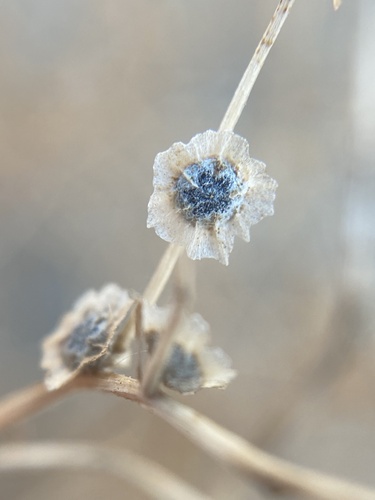
Cycloloma atriplicifolium
Winged pigweed
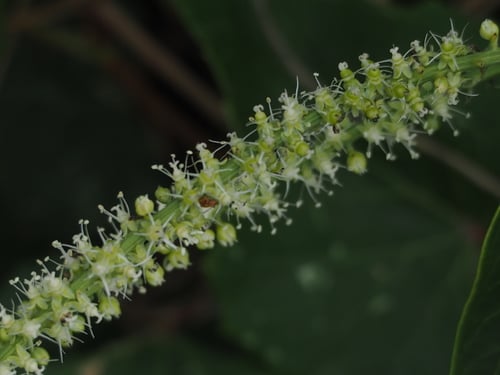
Deeringia amaranthoides
Shrubby deeringia
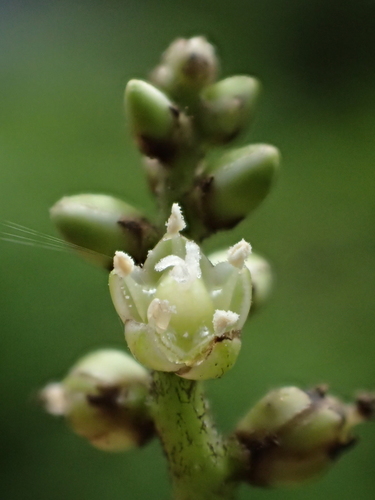
Deeringia polysperma
Bayambang
Dendrocalamus brandesii - (Munro) Kurz
Velvet Leaf Bamboo, Clumping Bamboo
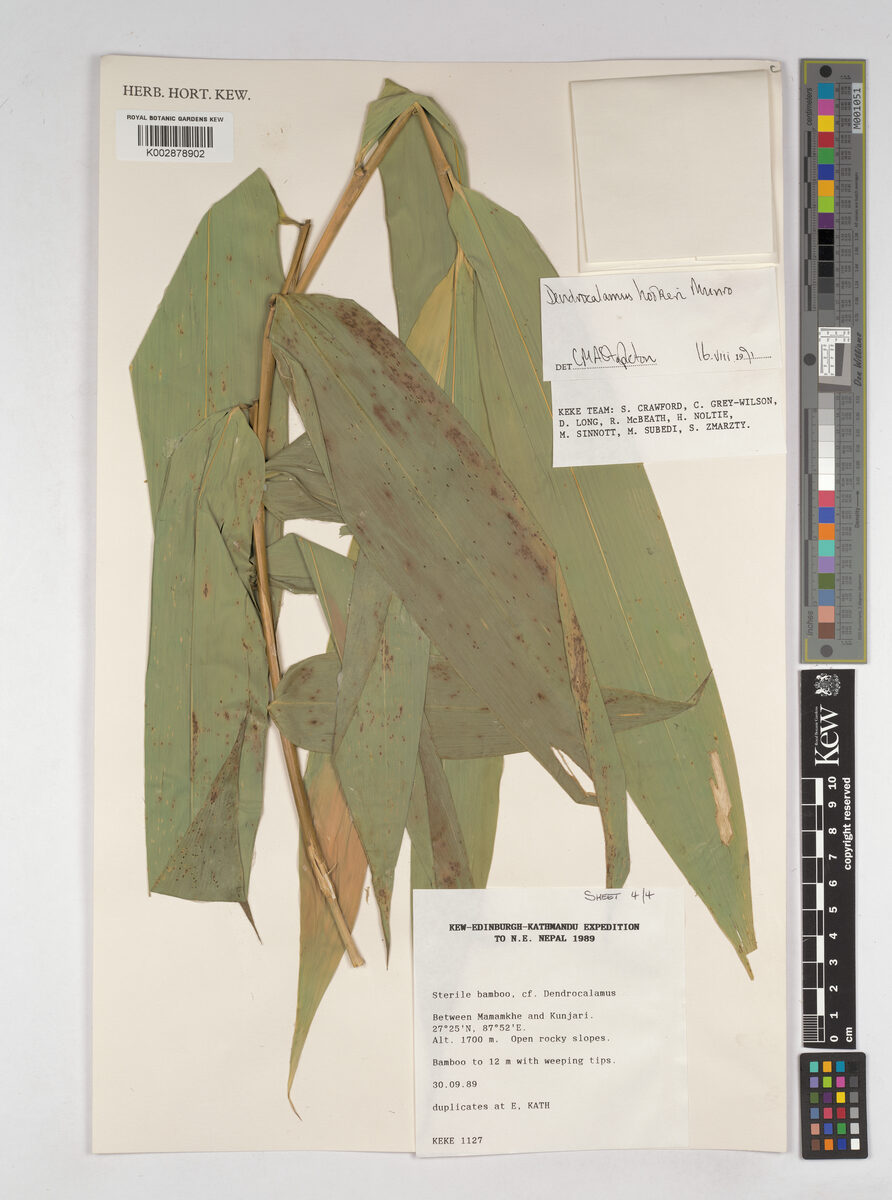
Dendrocalamus hookeri
Bhalu bans, Bhutan Green Bamboo
Deschampsia caespitosa - (L.)P.Beauv.
Tussock Grass, Tufted Hair Grass, Hair Grass