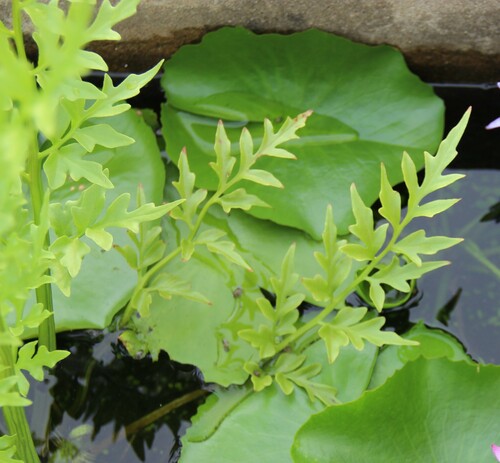
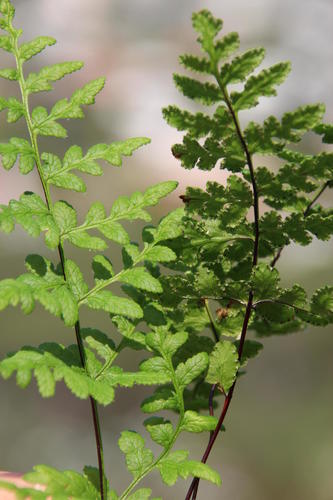
Coniogramme japonica
(Thunb.) Diels
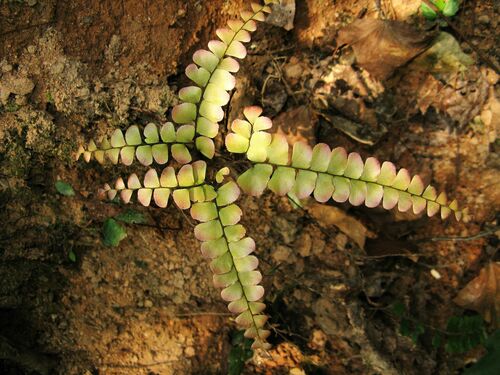
iNaturalist· cc-by
(c) 呂一起(Lu i-chi), some rights reserved (CC BY), uploaded by 呂一起(Lu i-chi)
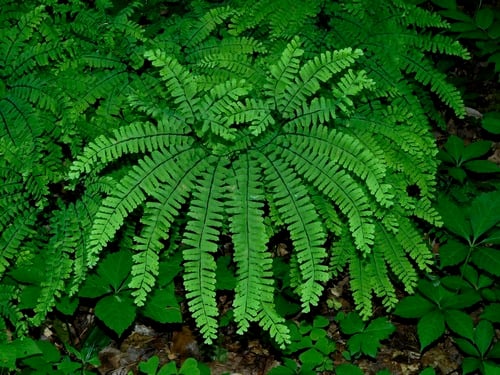
iNaturalist· cc-by-nc
(c) Keita Watanabe, some rights reserved (CC BY-NC), uploaded by Keita Watanabe
Summary
Source: WikipediaConiogramme japonica is an evergreen fern growing to 0.4 m (1 ft 4 in) tall. Hardy to UK zone 9 and maintains foliage year-round. The plant is hermaphrodite. It grows well in light sandy to heavy clay soils with mildly acid to basic pH. It tolerates semi-shade to full sun and prefers moist soil.
Description
Coniogramme japonica is an evergreen fern growing to 0.4 m (1 ft 4 in) tall. Hardy to UK zone 9 and maintains foliage year-round. The plant is hermaphrodite. It grows well in light sandy to heavy clay soils with mildly acid to basic pH. It tolerates semi-shade to full sun and prefers moist soil.
Edible Uses
None known
Traditional Uses
The fronds or leaves are cooked as a vegetable. The rhizomes are used for starch to make noodles.
This uses section is brief — help expand it
Medicinal Uses
Antiphlogistic. Used in the treatment of mastitis and other kinds of ulcers.
Known Hazards
Although we have found no reports of toxicity for this species, a number of ferns contain carcinogens so some caution is advisable. Many ferns also contain thiaminase, an enzyme that robs the body of its vitamin B complex. In small quantities this enzyme will do no harm to people eating an adequate diet that is rich in vitamin B, though large quantities can cause severe health problems. The enzyme is destroyed by heat or thorough drying, so cooking the plant will remove the thiaminase.
Distribution
It is a subtropical plant. It grows in shaded wet soil in forests and valleys between 100-2,000 m above sea level.
Where It Grows
Asia, China, Japan, Korea, Taiwan,
Cultivation
A plant mainly of the subtropics, but entering the tropics in southern China. Plants are not very cold-tolerant, only withstanding a few degrees of frost.
Other Uses
None known
Notes
Also put in the family Hemionitiaceae and Adiantaceae.
Also Known As
Feng liao jue
References (3)
- Lim, T. K., 2015, Edible Medicinal and Non Medicinal Plants. Volume 9, Modified Stems, Roots, Bulbs. Springer p 27
- Liu, Y., et al, 2012, Food uses of ferns in China: a review. Acta Societatis Botanicorum Poloniae 84(4): 263-270
- www.eFloras.org Flora of China