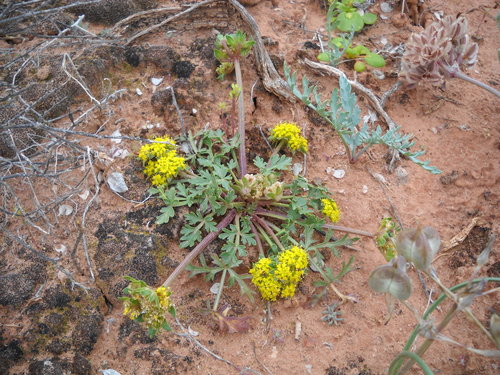
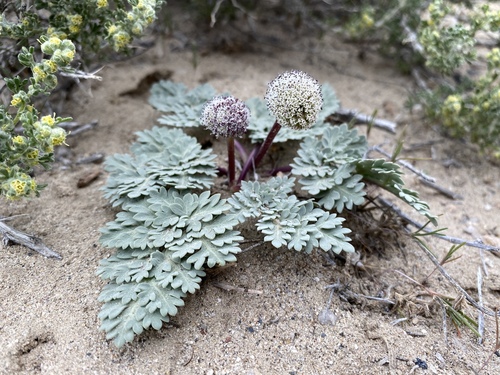
Ferula tingitana
L.
iNaturalist· cc-by-nc
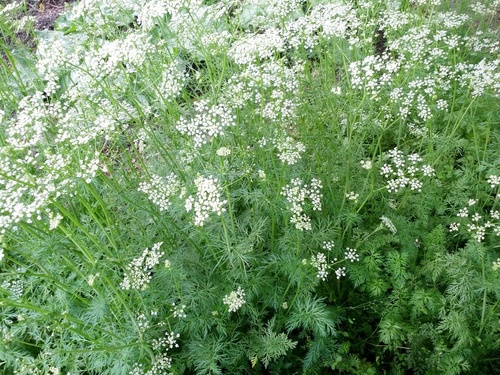
(c) Exner Tamás, some rights reserved (CC BY-NC)
iNaturalist· cc-by
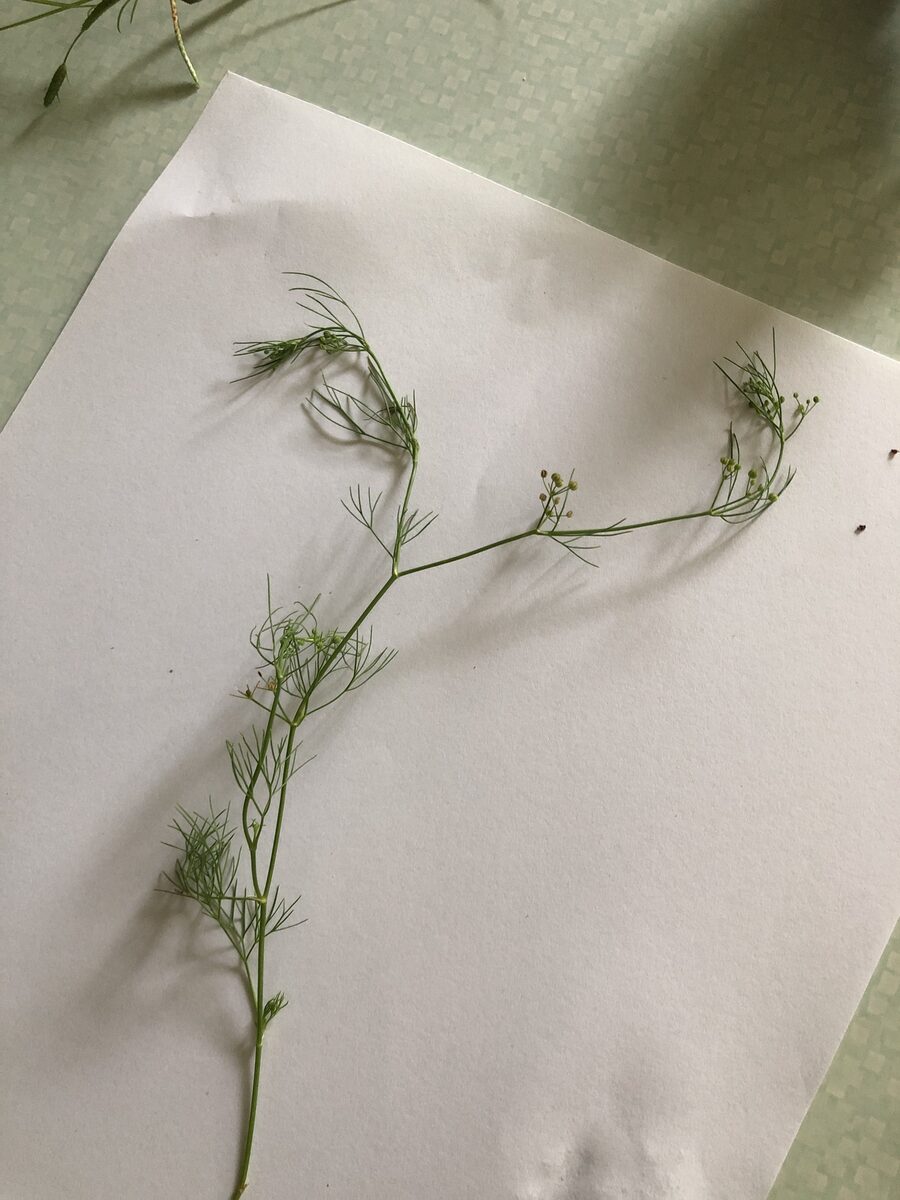
(c) Eleftherios Katsillis, some rights reserved (CC BY)
iNaturalist· cc-by
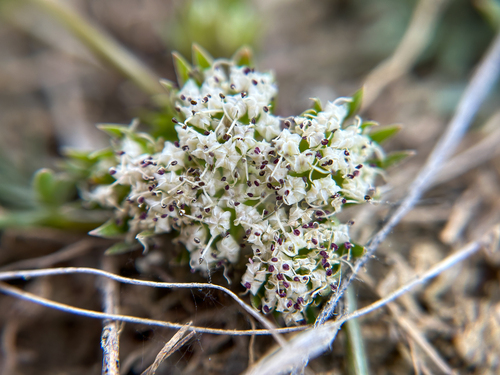
(c) Eleftherios Katsillis, some rights reserved (CC BY)
Summary
Source: WikipediaFerula tingitana, the giant Tangier fennel, is a species of the Apiaceae genus Ferula. Despite the name, the plant is not a type of fennel proper, which belongs to another genus (Foeniculum). Ferula tingitana is a tall perennial herb. It has alternate leaf arrangement and yellow, unisexual flowers which, like other Apiaceae, grow in umbels. It grows in scrubland (batha and phrygana) and rocky areas. Its range is the Mediterranean coast, in Spain, Morocco, Lebanon, Syria, Israel, Cyprus, and Turkey. In the 1980s there was chemical interest in esters and ethers extracted from it. This species has been considered to have abortive and menstruation-inducing properties. The species has been suggested as a possible identity for the controversial silphium, a plant used as a spice and for various medical purposes in classical antiquity in the Mediterranean region. Among the many uses of silphium was promoting menstruation, and possibly contraceptive or abortifacient properties, which has been suggested to link it to Ferula.
Description
A large herb which keeps growing from year to year. The leaves are divided 3-4 times but the leaf lobes are 10 mm long. The edges curve under.
This description is brief — help expand it
Edible Uses
A gum is obtained from the root, but no edible uses are known.
Medicinal Uses
None known.
Distribution
It grows in rocky places and damp habitats.
Where It Grows
Africa, Algeria, Australia, Europe, Mediterranean, North Africa, Portugal, Spain,
Cultivation
Succeeds in most soils. Requires a deep fertile soil in a sunny position. Plants have a long taproot and are intolerant of root disturbance. They should be planted into their final positions as soon as possible.
Propagation
Sow seed as soon as it is ripe in a greenhouse in autumn, or alternatively in April in a greenhouse. Prick out seedlings into individual pots as soon as they are large enough to handle, then plant into permanent positions while still small, as the plants dislike root disturbance. Provide a protective mulch for at least the first winter outdoors. Division can be carried out in autumn, though this may be inadvisable given the plant's sensitivity to root disturbance.
Other Uses
A gum is obtained from the root, likely by incisions made into it, though no further details are given.
References (5)
- Blamey, M and Grey-Wilson, C., 2005, Wild flowers of the Mediterranean. A & C Black London. p 161
- Hibbert, M., 2002, The Aussie Plant Finder 2002, Florilegium. p 101
- Jardin, C., 1970, List of Foods Used In Africa, FAO Nutrition Information Document Series No 2.p 78
- Ryan, S., 2008, Dicksonia. Rare Plants Manual. Hyland House. p 103
- Sp. pl. 1:247. 1753