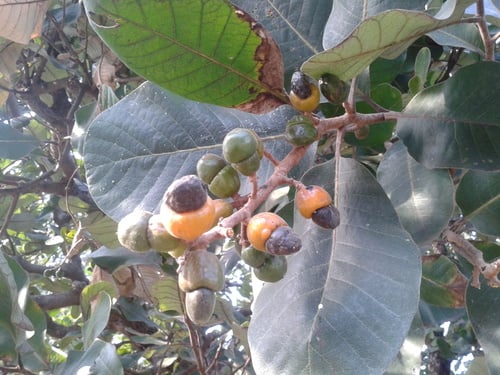
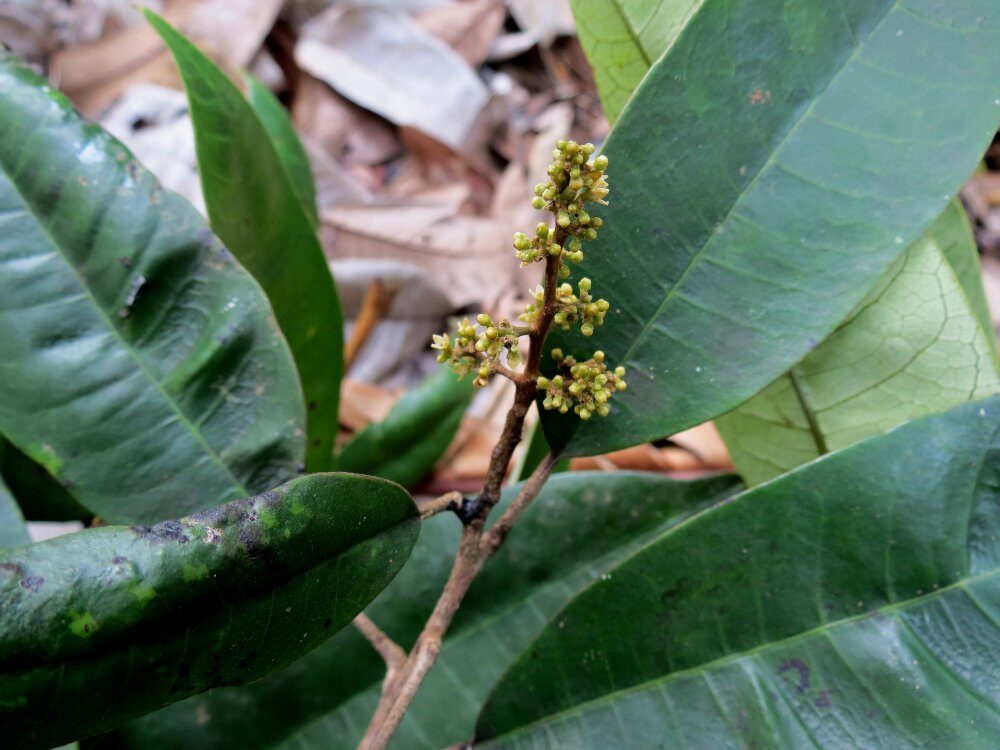
Rhus potaninii
Maxim.
iNaturalist· cc-by-nc
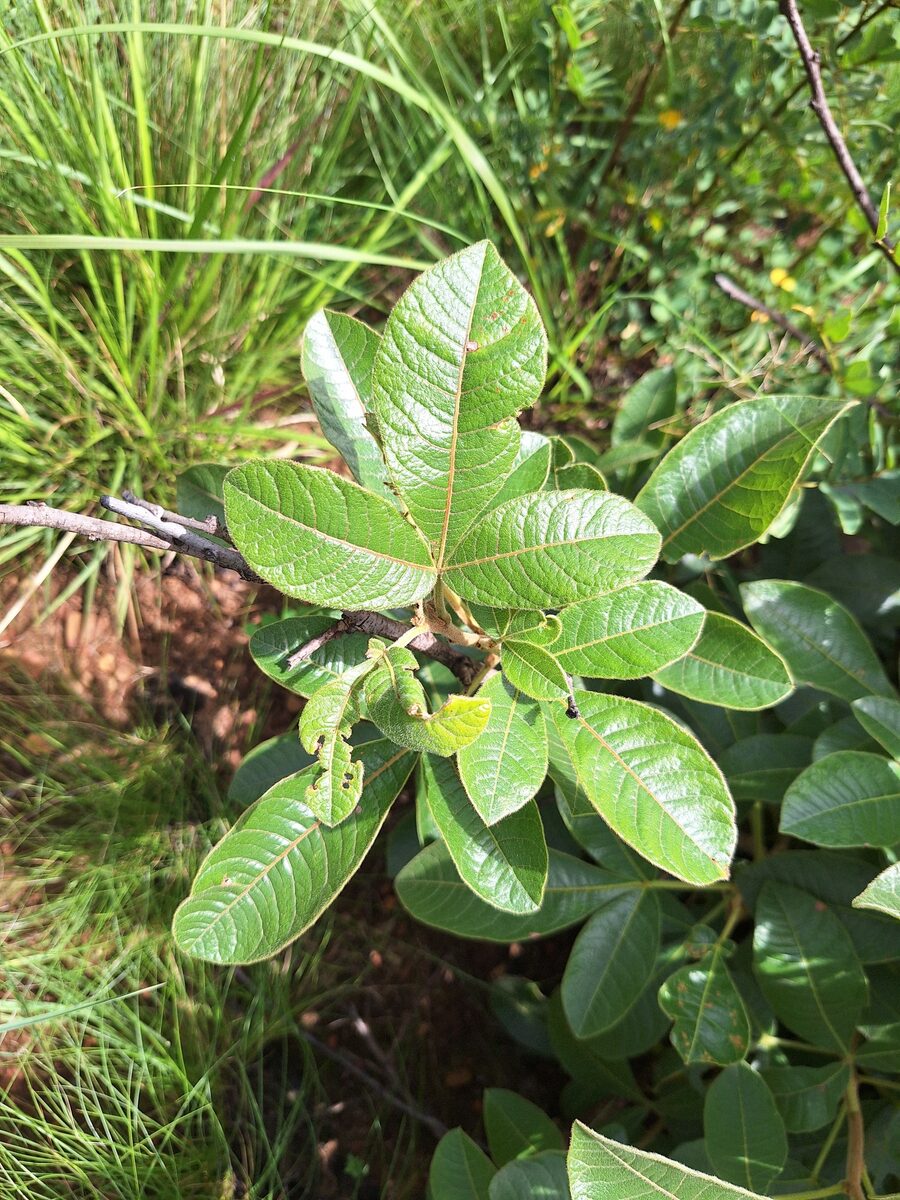
(c) Jane Charlen, some rights reserved (CC BY-NC), uploaded by Jane Charlen
iNaturalist· cc-by-nc
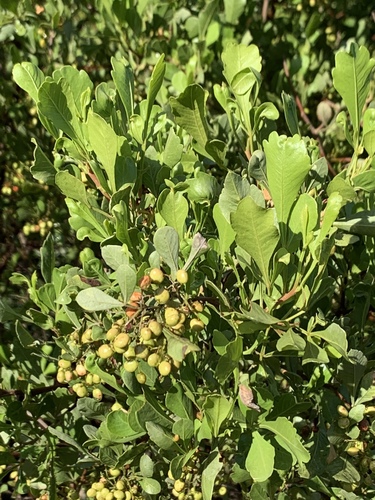
(c) shanshaojie, some rights reserved (CC BY-NC)
Summary
Source: WikipediaRhus potaninii, the Chinese varnish tree, Chinese sumac (names it shares with other species), Potanin's sumac, or Potanin's lacquer tree, is a species of flowering plant in the family Anacardiaceae. It is native to central and southern China. A deciduous tree reaching 12 m (39 ft), it is typically found growing on hill and mountain slopes, in forests and thickets at elevations from 900 to 2,500 m (3,000 to 8,200 ft) above sea level. It is named for its collector, Grigory Potanin. Valued for its rounded crown and vibrant red fall foliage, it is available from commercial suppliers.
Description
A tree. It grows 5-8 m tall. It loses its leaves during the year. The leaves have leaflets along the stalk and one at the end. There are 7-11 leaflets. They are 5-10 cm long by 2-4 cm wide. The flowering stalks are 10-20 cm long. The fruit is 3-4 mm across. They are red when mature.
Edible Uses
An oil is extracted from the seeds, but no other edible uses are known.
Medicinal Uses
An excrescence produced on the leaves by the insects Melaphis chinensis or M. paitan is antiseptic, astringent, and haemostatic. Internally, it is used to treat persistent cough with blood, chronic diarrhoea, spontaneous sweating, night sweats, bloody stool, urorrhoea, and bloody sputum. Applied externally, it is used on burns, bleeding from traumatic injuries, haemorrhoids, and mouth ulcers.
Known Hazards
There are some suggestions that the sap of this species can cause a skin rash in susceptible people, but this has not been substantiated. See also notes in 'Cultivation Details'.
Distribution
It is a temperate plant. It grows on hills and in mountain forests between 900-2,500 m above sea level. In Sichuan and Yunnan.
Where It Grows
Asia, China,
Cultivation
Succeeds in a well-drained fertile soil in full sun. The young growth in spring can be damaged by late frosts. A very ornamental plant, but it rarely flowers in Britain. This species is very closely related to R. punjabensis. Plants have brittle branches and these can be broken off in strong winds. Plants are also susceptible to coral spot fungus. Plants in this genus are notably resistant to honey fungus. Many of the species in this genus are highly toxic and can also cause severe irritation to the skin of some people, whilst other species such as this one are not poisonous. It is relatively simple to distinguish which is which, the poisonous species have axillary panicles and smooth fruits whilst non-poisonous species have compound terminal panicles and fruits covered with acid crimson hairs. The toxic species are sometimes separated into their own genus, Toxicodendron, by some botanists. Dioecious. Male and female plants must be grown if seed is required.
Propagation
Seed is best sown in a cold frame as soon as it is ripe. Pre-soak for 24 hours in hot water (starting at 80–90°C and allowing it to cool) to leach out germination inhibitors — this soak water is drinkable and has a delicious lemon flavour. Stored seed also needs hot water treatment and can be sown in early spring in a cold frame. Prick seedlings into individual pots when large enough to handle and grow on in a greenhouse for their first winter, then plant out in late spring or early summer after the last expected frosts. Cuttings of half-ripe wood, 10cm with a heel, can be taken in July/August in a frame. Root cuttings 4cm long taken in December should be potted up vertically in a greenhouse — a good percentage will take. Suckers can be taken in late autumn to winter.
Other Uses
The leaves are rich in tannin and can be collected as they fall in autumn for use as a brown dye or as a mordant. An oil extracted from the seeds attains a tallow-like consistency on standing and is used to make candles, which burn brilliantly but emit a pungent smoke. An indelible black ink is obtained from galls on the leaves, though it is not recorded whether the galls are used before or after the insect has left them.
Synonyms
Also Known As
Wubeizishi, Wubeizi
References (1)
- Kang, Y., et al, 2012, Wild food plants and wild edible fungi in two valleys on the Qinling Mountains (Shaanxi, central China) Journal of Ethnobiology and Ethnomedicine; 9:26