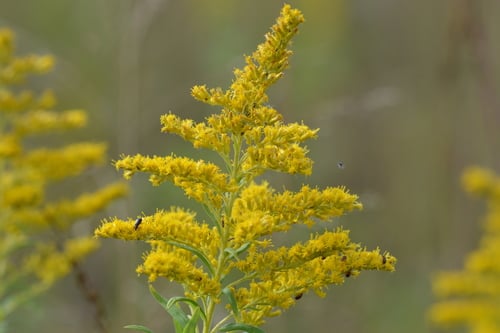
Porophyllum linaria
(Kunth) DC.
iNaturalist· cc-by
(c) carlosmartorell69, some rights reserved (CC BY), uploaded by carlosmartorell69
iNaturalist· cc-by
(c) carlosmartorell69, some rights reserved (CC BY), uploaded by carlosmartorell69
iNaturalist· cc-by-nc
(c) Opuntia Cadereytensis, some rights reserved (CC BY-NC), uploaded by Opuntia Cadereytensis
Summary
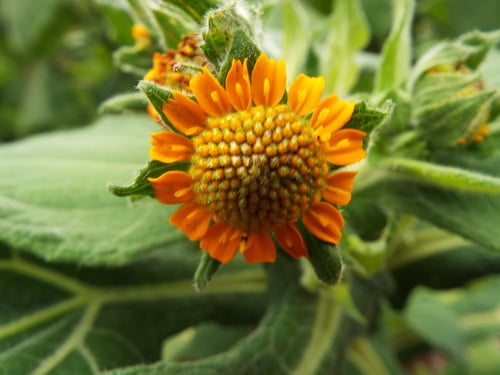
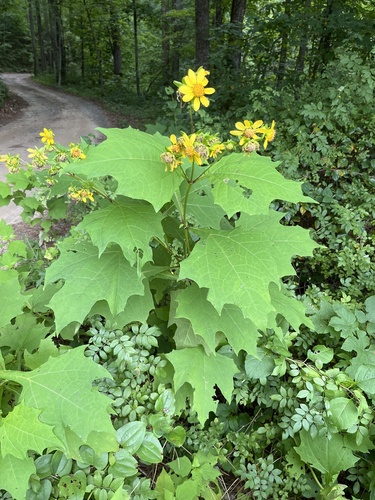
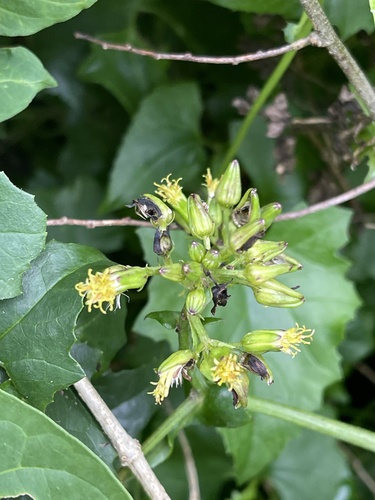
Source: WikipediaPorophyllum linaria (pipicha, pepicha, chepiche) is a sunny short-lived perennial plant used in Mexican cuisine, where it is often used to flavor meat dishes. It has a strong taste akin to fresh coriander with overtones of lemon and anise. In some Mexican markets fresh and dried material is available for sale as a condiment. It is also used as a medicinal herb.
Description
A subtropical herb in the Asteraceae family.
This description is brief — help expand it
Edible Uses
Leaves - cooked and eaten as a vegetable. Used especially as a flavouring.
Distribution
It is a subtropical plant.
Where It Grows
Mexico, North America,
Cultivation
Porophyllum linaria is a plant of semi-arid, subtropical to tropical climates. It is not tolerant of frost, but can generally be cultivated from the warm temperate zone( with hot summers) to tropical areas. Requires a sunny position, succeeding in a range of soil types so long as they are well-drained. A fast-growing plant, it can reach a height of 60cm within 30 - 45 days and can be harvested on a cut and come again basis until cut back by cold weather. The aromatic oils, which are contained largely in the pores or glands that are especially plentiful on the leaves, produce a strong odour when the foliage is bruised, broken, or heated. Cures, real or fancied, that are attributed to various species of Porophyllum are probably largely due to either the soothing properties of the oils or the imagination by the patient that anything that is so odoriferous must be beneficial.
Propagation
Seed - sow in situ
Synonyms
Also Known As
Papalo
References (3)
- Arellanes, Y., et al, 2013, Influence of traditional markets on plant management in the Tehuacan Valley. Journal of Ethnobiology and Ethnomedicine 9:38
- Rangel-Landa, S., et al, 2017, Sociocultural and ecological factors influencing management of edible and non-edible plants: the case of Ixcatlan, Mexico. Journal of Ethnobiology and Ethnomedicine. 13:59
- World Checklist of Useful Plant Species 2020. Royal Botanic Gardens, Kew