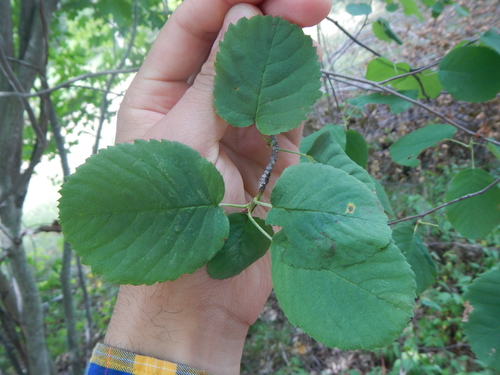
Cerasus tomentosa
(Thunb.) Wall. ex T.T. Yu & C. L. Li
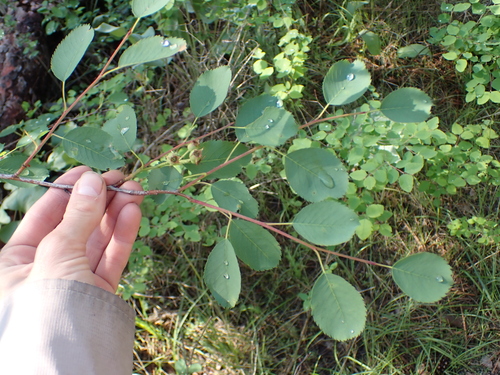
iNaturalist· cc-by
(c) Archer Silverman, some rights reserved (CC BY)
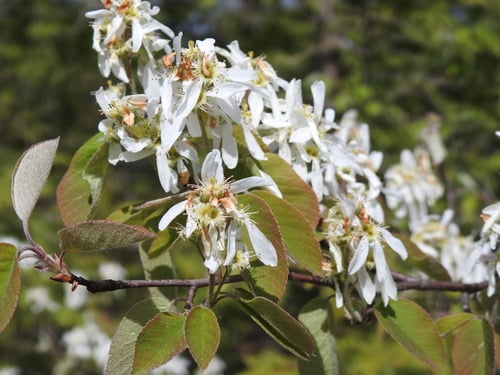
iNaturalist· cc-by-nc
(c) 红梅, some rights reserved (CC BY-NC)
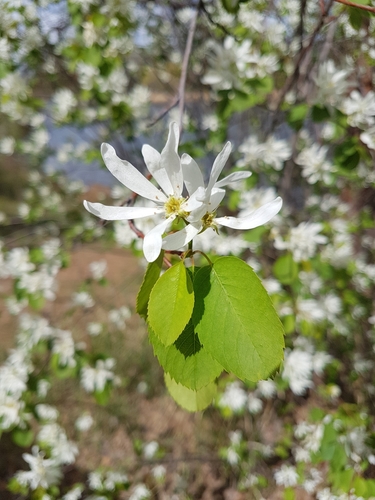
iNaturalist· cc-by-nc
(c) 红梅, some rights reserved (CC BY-NC)
Description
A shrub. It grows 1 m tall. The young branches are purple to brown. The leaf blades are narrowly oval and 2-7 cm long by 1-4 cm wide. There are teeth along the edge. The flowers can occur as one or two in a group. The fruit are red and almost round. They are 5-12 mm across.
Edible Uses
The fruit are eaten fresh.
Traditional Uses
The fruit are eaten fresh.
This uses section is brief — help expand it
Distribution
It is a temperate and tropical plant. It grows in Yunnan in China. In Sichuan.
Where It Grows
Asia, China, Tibet,
Production
In Yunnan the fruit are harvested in July to September.
Also Known As
Gen xing, He wu, Nuasi
References (4)
- Cheng, Z., et al, 2022, Ethnobotanical study on wild edible plants used by Dulong people in northwestern Yunnan, China. Journal of Ethnobiology and Ethnomedicine (2022) 18:3
- Fan, L., et al, The Use of Edible Wild Plants and Fungi in Korean-Chinese Villages. Journal of Environmental Information Science 44-5 p 71-79
- Ju, Y., et al, 2013, Eating from the wild: diversity of wild edible plants used by Tibetans in Shangri-la region, Yunnan, China, Journal of Ethnobiology and Ethno medicine 9:28
- Wang, J. et al, 2013, A Study on the Utilization of Wild Plants for Food in Liangshan Yi Autonomous Prefecture. Plant Diversity and Resources. 35(4): 416-471