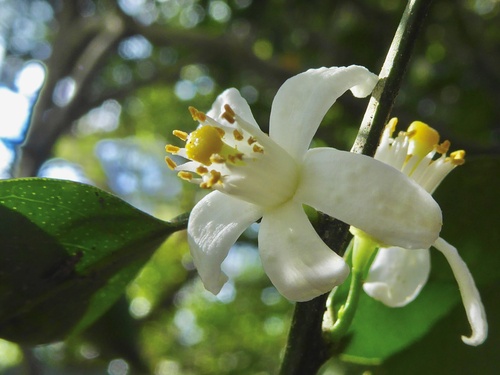
Acronychia oblongifolia
(A. Cunn. ex Hook.) Endl. ex Heynh.
Southern lemon aspen
iNaturalist· cc-by-nc
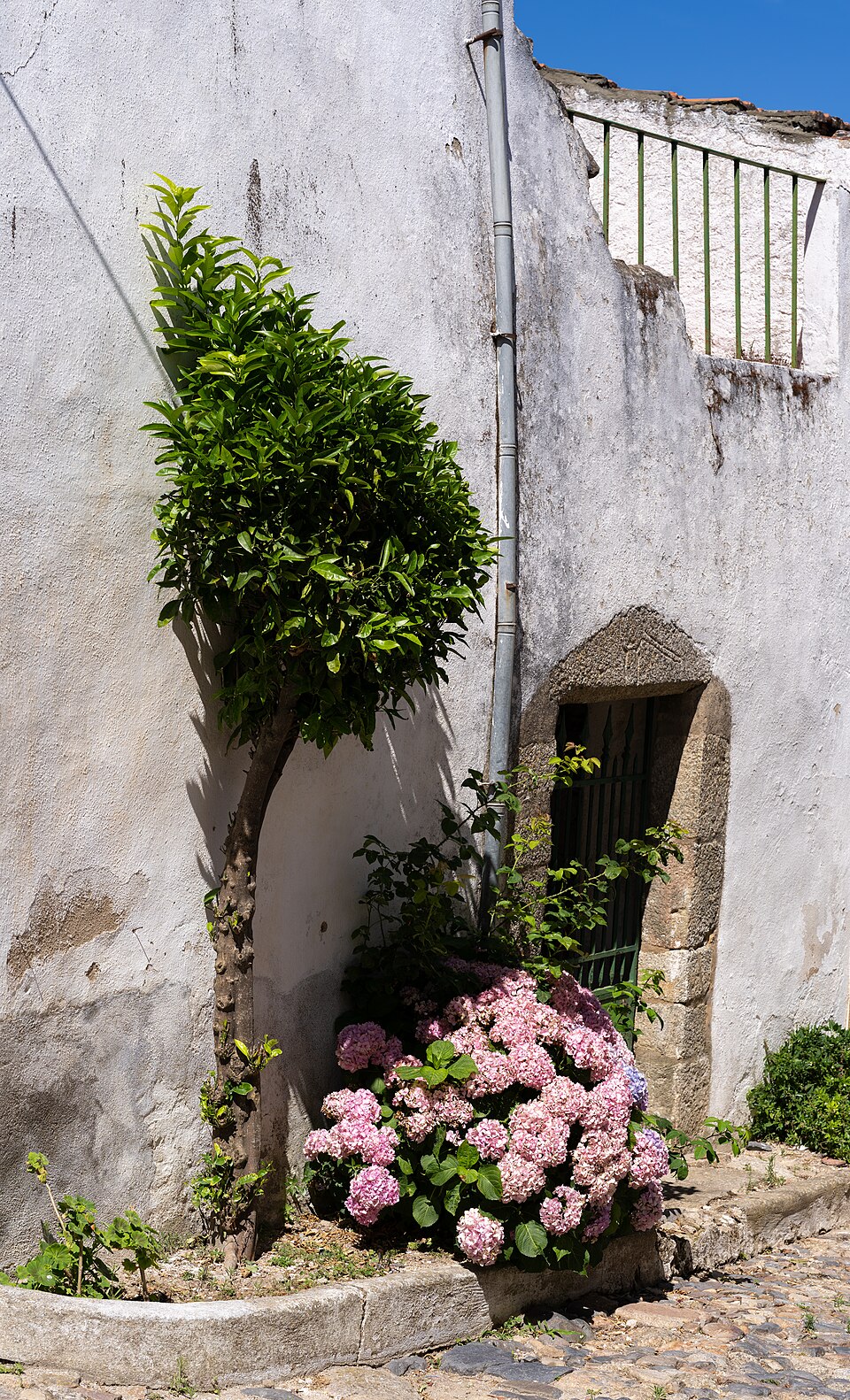
(c) leithallb, some rights reserved (CC BY-NC), uploaded by leithallb
iNaturalist· cc-by-nc
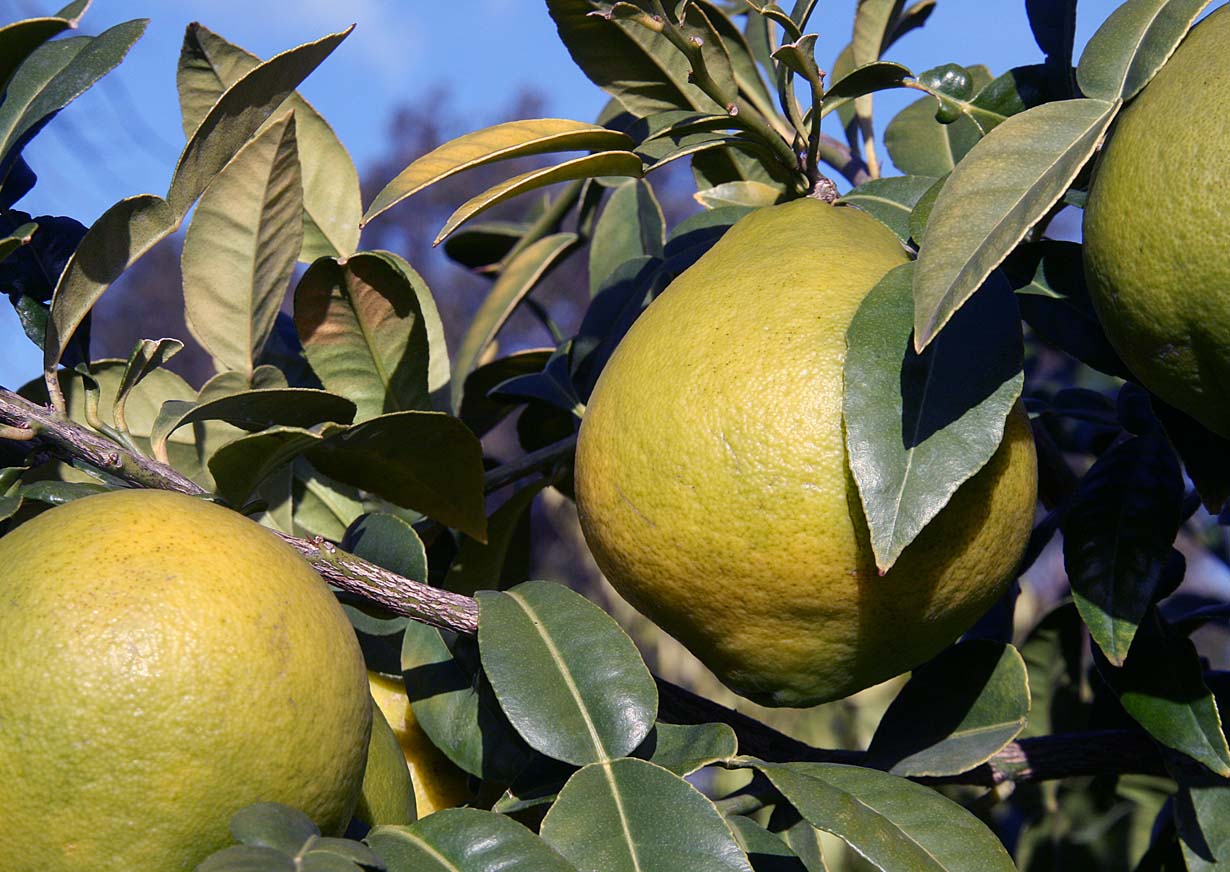
(c) Christine Rand, some rights reserved (CC BY-NC), uploaded by Christine Rand
iNaturalist· cc-by-nc-sa
(c) Nick Lambert, some rights reserved (CC BY-NC-SA), uploaded by Nick Lambert
Summary
Source: WikipediaAcronychia oblongifolia, commonly known as white aspen or yellow wood, is a species of shrub to medium-sized rainforest tree of the citrus family, Rutaceae, and is endemic to eastern Australia. It has mostly simple, egg-shaped leaves with the narrower end towards the base, small groups of creamy-white flowers and fleshy, more or less spherical, edible fruit.
Description
A shrub or small tree. It grows 5 m tall. There are prickles along the stem. The leaves are twice divided and there are 8-18 pairs of pinnae. There are up to 50 pairs of pinnules on each pinnae. The flowers are yellow. They are in large clusters at the ends of branches. The pods are flattened.
Edible Uses
The ripe fruit is acidic and can be eaten raw or used to make jams, preserves, syrups, sauces, and salad dressings.
Traditional Uses
The ripe fruit can be eaten raw. They are acidic. They can also be used for jams, preserves, syrups, sauces, and salad dressing.
This uses section is brief — help expand it
Medicinal Uses
Contains flavonoids with reported anticancer properties.
Distribution
It is a temperate and subtropical plant. It occurs naturally in New South Wales and Queensland in Australia. It prefers rich moist soil and a protected position. It is damaged by drought and frost. Once the tree is grown it can stand some frost. It does better in shade.
Where It Grows
Australia*,
Cultivation
It is grown by seed or cuttings. It benefits by watering in the dry season. It responds to fertiliser.
Production
Flowering occurs in December to July and fruit are ripe July to October.
Notes
There are 42-50 Acronychia species. It has flavenoides with anticancer properties.
Also Known As
Common Acronychia, Wild aspen, White lilly pilly, Yellow wood
References (11)
- Bodkin, F., 1991, Encyclopedia Botanica. Cornstalk publishing, p 47
- Caton, J.M. & Hardwick, R. J., 2016, Field Guide to Useful Native Plants from Temperate Australia. Harbour Publishing House. p 208
- Cherikoff V. & Isaacs, J., The Bush Food Handbook. How to gather, grow, process and cook Australian Wild Foods. Ti Tree Press, Australia p 145, 194, 198
- Elliot, W.R., & Jones, D.L., 1982, Encyclopedia of Australian Plants suitable for cultivation. Vol 2. Lothian. p 142
- Facciola, S., 1998, Cornucopia 2: a Source Book of Edible Plants. Kampong Publications, p 213
Show all 11 references Hide references
- Jones D, L, 1986, Ornamental Rainforest Plants in Australia, Reed Books, p 103
- Kintzios, S. E., 2006, Terrestrial Plant-Derived Anticancer Agents and Plant Species Used in Anticancer research Critical Reviews in Plant Sciences. 25: pp 79-113
- Nicholson, N & H., 1996, Australian Rainforest Plants 2, Terania Rainforest Publishing. NSW. p 5
- Ryan, M. (Ed.), 2003, Wild Plants of Greater Brisbane. Queensland Museum. p 240
- Steenbeeke, Greg as part of the Plants Directory project. List of plant species from northern NSW that may be used as food plants p 2
- Williams, J.B., Harden, G.J., and McDonald, W.J.F., 1984, Trees and shrubs in rainforests of New South Wales and Southern Queensland. Univ. of New England, Armidale. p 106