Entoloma abortivum
(Berk. & M. A. Curtis) Donk
Aborted entoloma, Shrimp of the woods
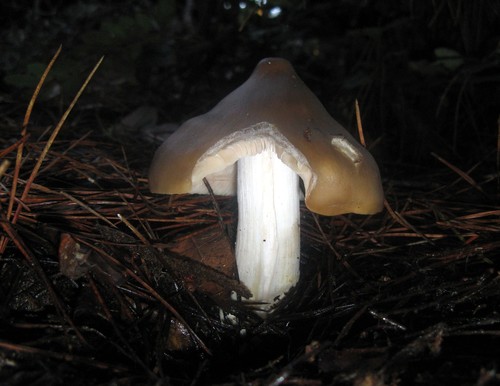
iNaturalist· cc-by-nc
(c) Mixman_Saga, some rights reserved (CC BY-NC)
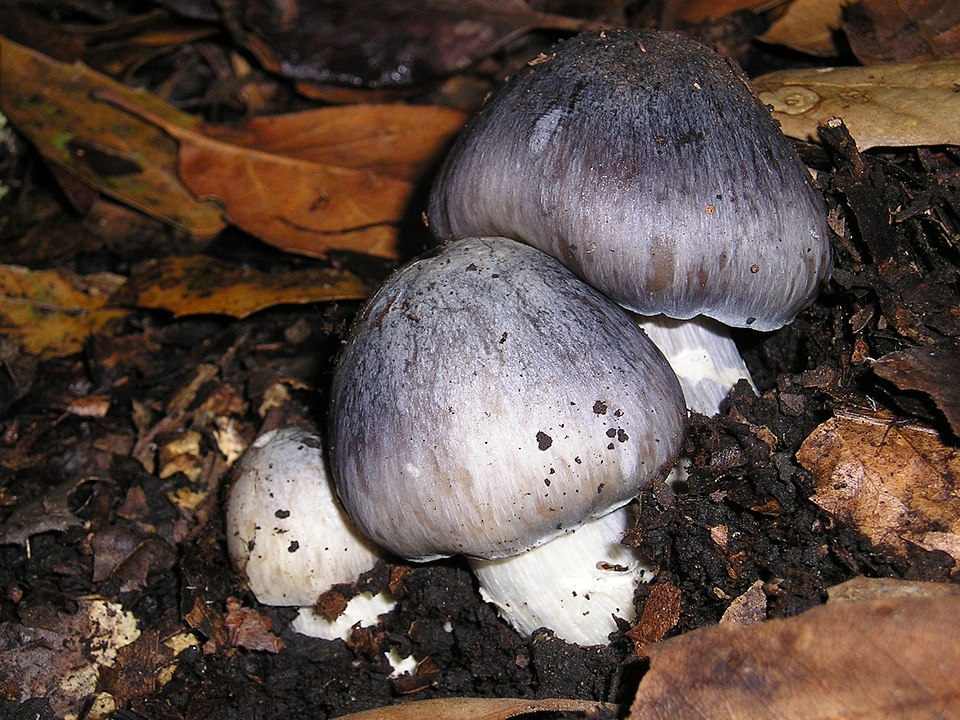
iNaturalist· cc-by-nc
(c) Mixman_Saga, some rights reserved (CC BY-NC)
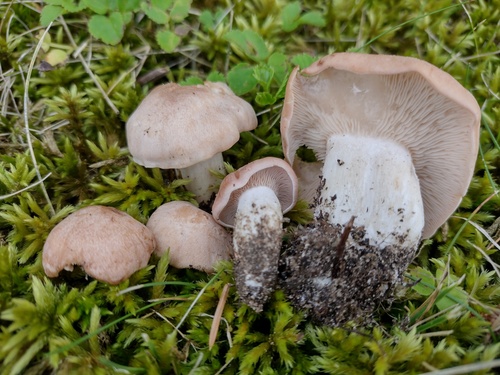
iNaturalist· cc-by-nc
(c) Misha Zitser, some rights reserved (CC BY-NC)
Summary
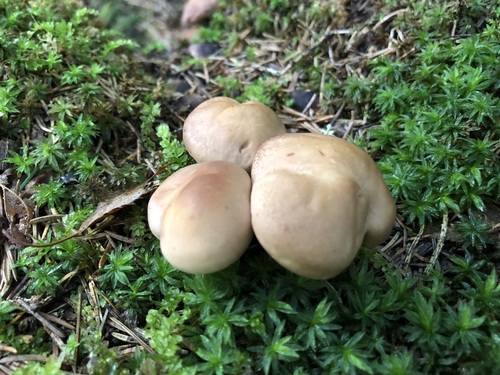
Source: WikipediaEntoloma abortivum, commonly known as the aborted entoloma or shrimp of the woods, is an mushroom in the Entolomataceae family of fungi. First named Clitopilus abortivus by Miles Joseph Berkeley and Moses Ashley Curtis, it was given its current name by the Dutch mycologist Marinus Anton Donk in 1949. The grayish cap is up to 8 centimetres (3.1 in) wide. The stem is up to 9 cm long and 1.4 cm (1⁄2 in) thick. The smell is mealy and the spore print is pinkish. It was once believed that the honey mushroom, Armillaria mellea, was parasitizing the Entoloma, but research has indicated that the inverse is true—the Entoloma parasitizes the honey mushroom. In Mexico it is called Totlcoxcatl ('turkey wattle') due to its irregular shape. Caution should be used in identifying the species before eating, with similar species such as Entoloma sinuatum being poisonous.
Description
A fungus in the Entolomataceae family found in subtropical regions, characterized by many sporophores that become aborted and never mature.
This description is brief — help expand it
Edible Uses
The mushroom is eaten.
Distribution
It is a subtropical plant.
Where It Grows
Mexico, North America,
Synonyms
Also Known As
Totolvozcatl
References (3)
- Alexopoulos, C.J., 1962, Introductory Mycology. Wiley Toppan. p 518 (As Clitopilus abortivus)
- Boa, E. R., 2004, Wild edible fungi and their importance to people. FAO Non Wood Forest Products Booklet 17
- Cortes, L.E.U., et al, 2018, Ethnomycology and mushroom selling in a market from Northwest Puebla, México. Scientia Fungorum vol. 47: 47-55