Armillaria luteovirens
(Alb. & Schwein.) Sacc.
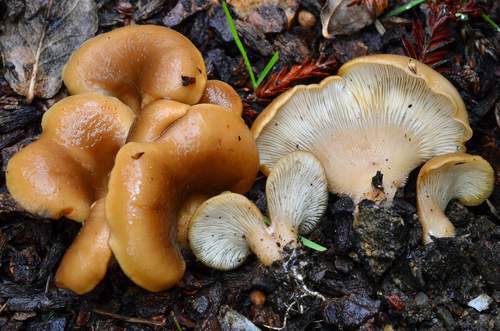
iNaturalist· cc-by-nc
(c) nicola_dual, some rights reserved (CC BY-NC)
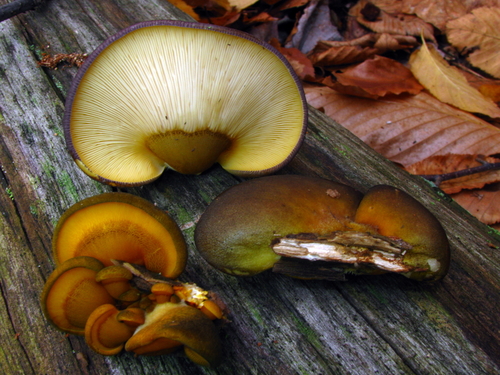
iNaturalist· cc-by-nc
(c) Marco Floriani, some rights reserved (CC BY-NC)
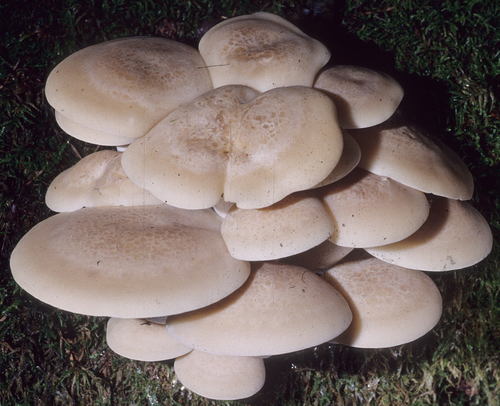
iNaturalist· cc-by-nc
(c) jstsnook, some rights reserved (CC BY-NC)
Description
A subtropical fungal mushroom belonging to the Tricholomataceae family.
This description is brief — help expand it
Edible Uses
The mushroom fruiting body is edible.
Distribution
It is a subtropical plant.
Where It Grows
Mexico, North America,
Dangerous Lookalikes
This plant can be confused with the following toxic species. Always verify identification carefully before consuming any wild plant.
Deadly Galerina (Funeral Bell)
Galerina marginata
Alan Rockefeller
Armillaria luteovirens
Armillaria luteovirens
(c) nicola_dual, some rights reserved (CC BY-NC)
Deadly Galerina (Funeral Bell): Rusty-brown spore print, smooth brown cap, thin fragile ring, grows in smaller clusters.
Armillaria luteovirens: White spore print, brown-black scales on cap, prominent white ring on stem, grows in large clusters.
References (2)
- Boa, E. R., 2004, Wild edible fungi and their importance to people. FAO Non Wood Forest Products Booklet 17
- Farfan B., et al, 2007, Mazahua Ethnobotany and Subsistence in the Monarch Butterfly Biosphere Reserve, Mexico. Economic Botany 61(2) pp 173-191