Armillaria heimii
Pegler
gbif· cc-by
Royal Botanic Gardens, Kew
gbif· cc-by
Royal Botanic Gardens, Kew
gbif· cc-by
Royal Botanic Gardens, Kew
Summary
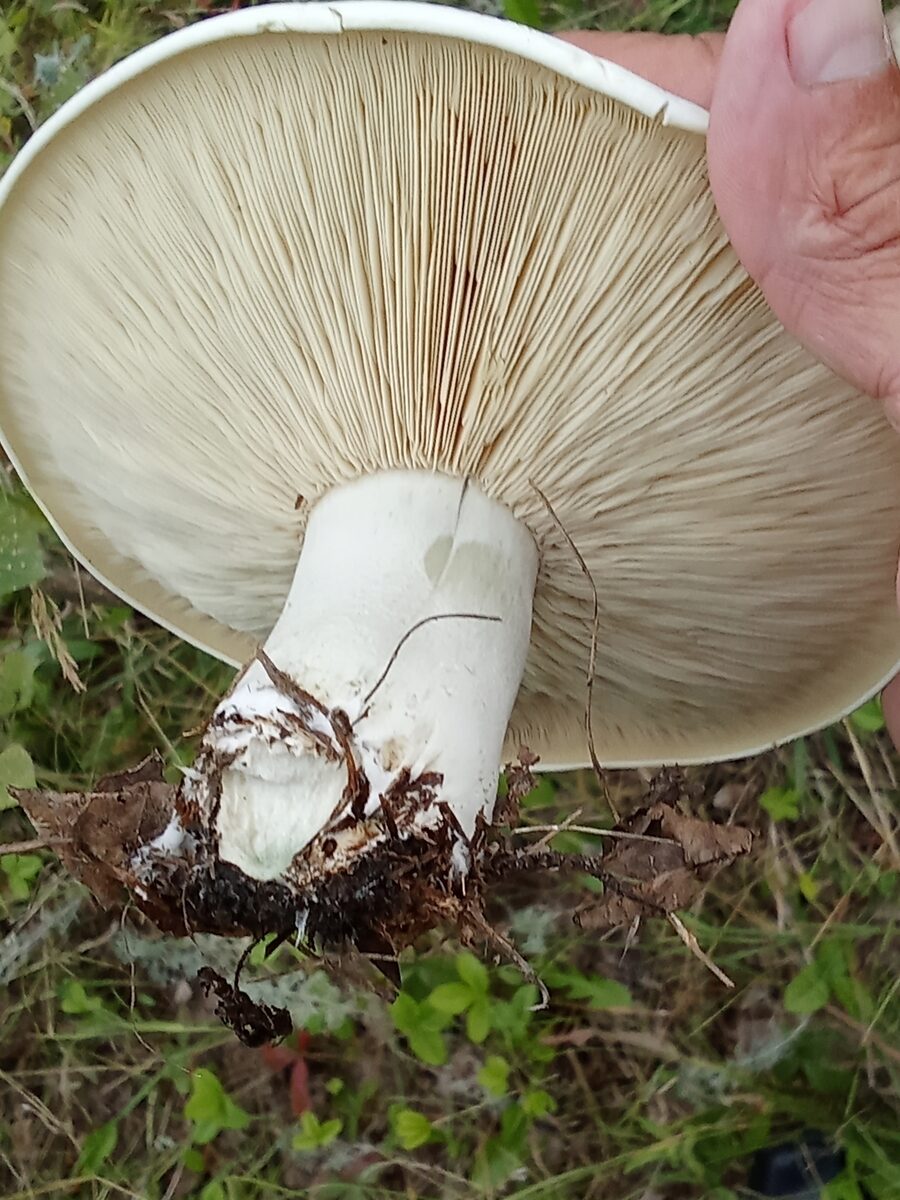
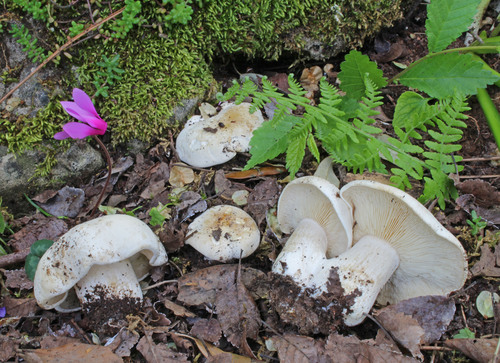
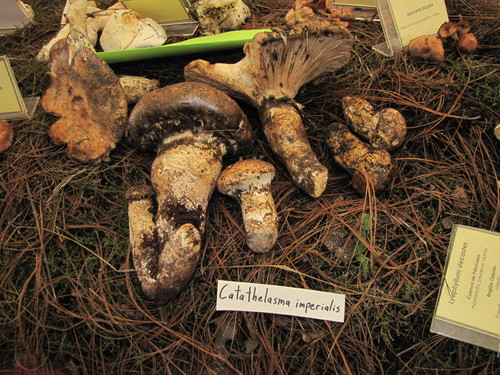
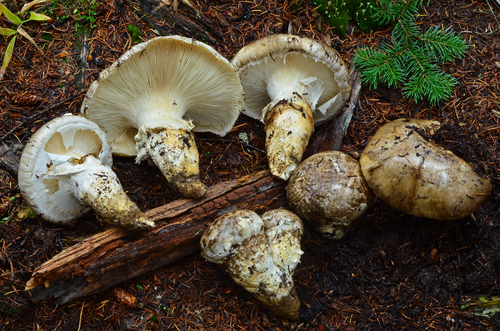
Source: WikipediaArmillaria heimii is a species of fungus in the family Physalacriaceae that is found in East Africa. It causes root rot in tea trees. The fungus was originally described as Clitocybe elegans by Roger Heim in 1963. David Pegler transferred it to the genus Armillaria in 1977.
Description
A tropical mushroom in the Tricholomataceae family.
This description is brief — help expand it
Edible Uses
The fruiting bodies (mushrooms) are eaten.
Distribution
It is a tropical plant.
Where It Grows
Africa, Central Africa, Congo DR, Côte d'Ivoire, East Africa, Gabon, Ivory Coast, Kenya, Liberia, Madagascar, Malawi, Reunion, Rwanda, Tanzania, Uganda, Zambia, Zimbabwe,
Dangerous Lookalikes
This plant can be confused with the following toxic species. Always verify identification carefully before consuming any wild plant.
Deadly Galerina (Funeral Bell)
Galerina marginata
Alan Rockefeller
Armillaria heimii
Armillaria heimii
Royal Botanic Gardens, Kew
Deadly Galerina (Funeral Bell): Rusty-brown spore print, smooth brown cap, thin fragile ring, grows in smaller clusters.
Armillaria heimii: White spore print, brown-black scales on cap, prominent white ring on stem, grows in large clusters.
Synonyms
References (4)
- Degreef, J., et al, 2016, Wild edible mushrooms, a valuable resource for food security and rural development in Burundi and Rwanda. Biotechnol. Agron. Soc. Environ. 2016 20(4), 441-452
- efta-online.org, Edible Fungi of Tropical Africa, Jardin botanique Meise
- Kamalebo, H. M., et al, 2018, Uses and importance of wild fungi: traditional knowledge from the Tshopo province in the Democratic Republic of the Congo. Journal of Ethnobiology and Ethnomedicine (2018) 14:13
- Tibuhwa, 2013, Wild Mushroom - an underutilized healthy food resource and income generator: experience from Tanzania rural areas. Journal of Ethnobiology and Ethnomedicine 9:49