Psidium cinereum
Mart. ex DC.
Araca-cinzento, Araca-do-campo
Wikipedia· cc-by-sa
Wikimedia Commons - Psidium_cinereum.jpg
iNaturalist· cc-by-nc
(c) Laurent Quéno, some rights reserved (CC BY-NC)
iNaturalist· cc-by-nc
(c) Laurent Quéno, some rights reserved (CC BY-NC)
Summary
Source: WikipediaPsidium cinereum, called katuaba, is a species of plant in the family Myrtaceae. It is endemic to Brazil. It is becoming rare due to habitat loss. A relative of guava, it is sometimes used in herbal concoctions.
Description
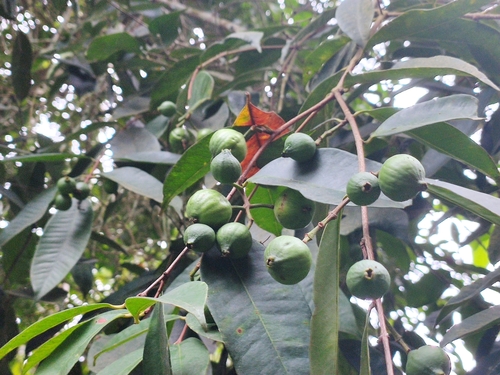
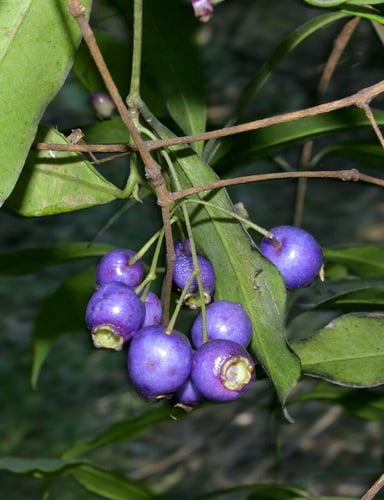
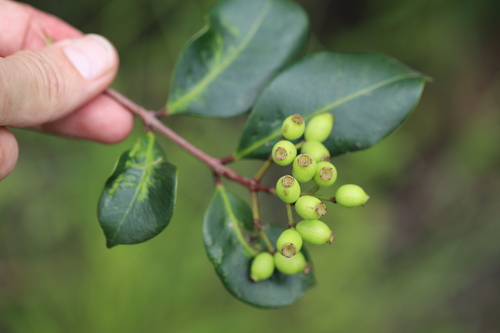
A shrub. It loses its leaves during the year. It grows 2 m high. The plant has a greyish colour. The leaves are papery and 4-6 cm long. The flowers are in the axils of leaves and are white. They are in groups of 2-4. The flower stalks are 7-20 mm long. The fruit are oval and green. They are 2-3 cm across. They have sepals that remain at the top.
Edible Uses
The fruit are eaten fresh.
Traditional Uses
The fruit are eaten fresh.
This uses section is brief — help expand it
Distribution
A tropical plant. It grows naturally in savannas and grasslands in Brazil.
Where It Grows
Brazil*, Guyana, South America, Venezuela,
Cultivation
Plants are grown from seed.
Synonyms
References (3)
- Hedrick, U.P., 1919, (Ed.), Sturtevant's edible plants of the world. p 531
- Lorenzi, H., Bacher, L., Lacerda, M. & Sartori, S., 2006, Brazilian Fruits & Cultivated Exotics. Sao Paulo, Instituto Plantarum de Estuados da Flora Ltda. p 238
- Prodr. 3:234. 1828