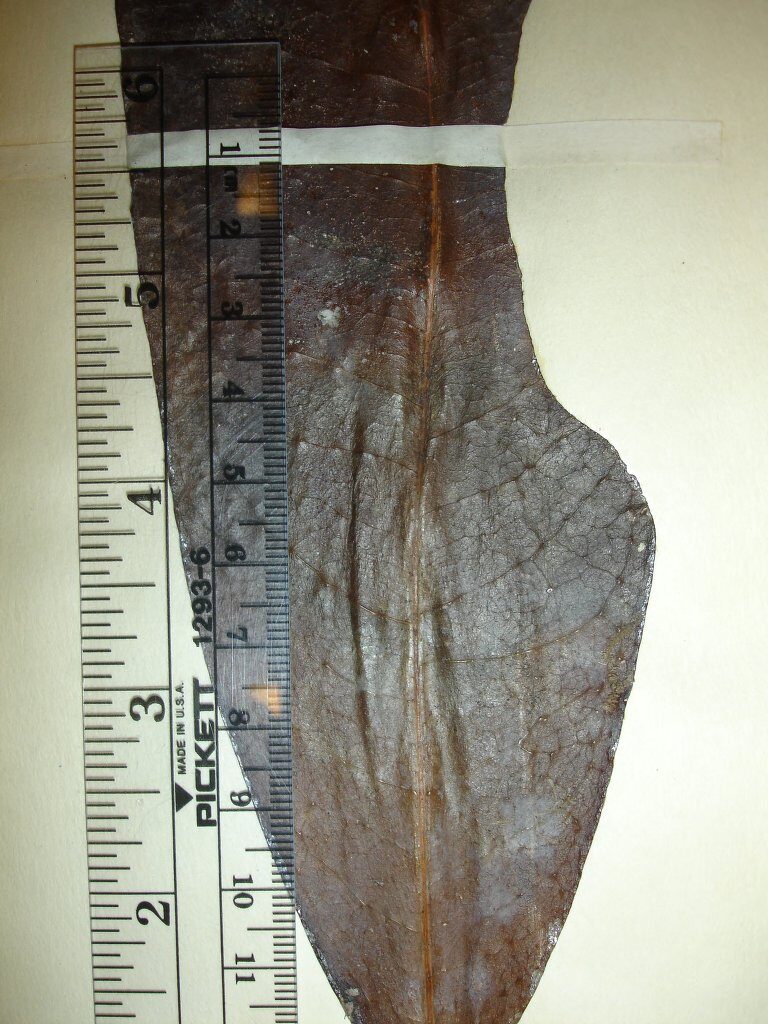
Daphne mezereum
L.
February daphne, Mezereon
iNaturalist· cc-by-nc
(c) Lola Smirnova, some rights reserved (CC BY-NC), uploaded by Lola Smirnova
iNaturalist· cc-by-nc
(c) Konstantin Romanov, some rights reserved (CC BY-NC), uploaded by Konstantin Romanov
iNaturalist· cc-by-nc
(c) Alberto Colatore, some rights reserved (CC BY-NC), uploaded by Alberto Colatore
Summary
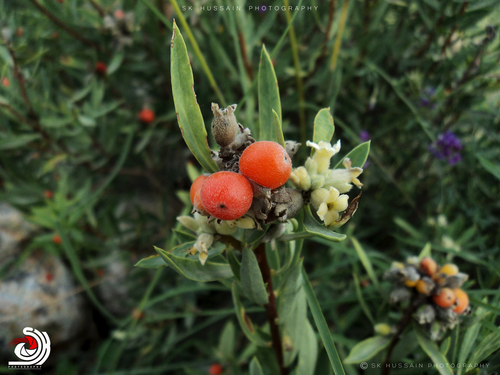
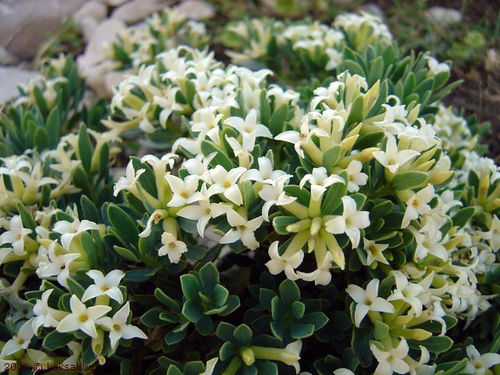
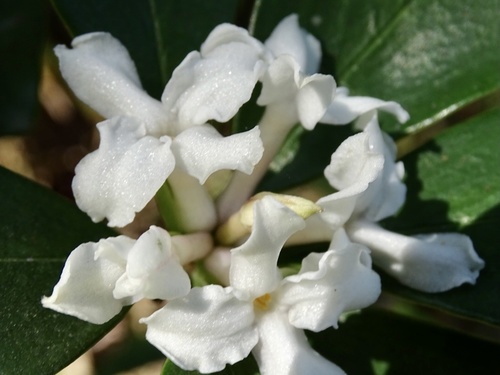
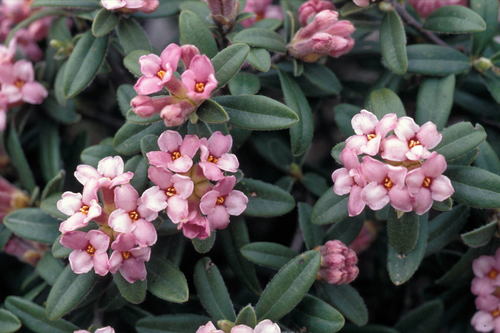
Source: WikipediaDaphne mezereum, the mezereon, is a species of Daphne in the flowering plant family Thymelaeaceae, native to most of Europe and Western Asia, north to northern Scandinavia and Russia. In southern Europe it is confined to medium to higher elevations (up to 2600 m) in the subalpine vegetation zone, but descends to sea level in northern Europe. It is generally confined to soils derived from limestone. In the United Kingdom, the native population became a protected species in 1975 under the Conservation of Wild Creatures and Wild Plants Act.
Description
Deciduous shrub reaching 1.5 m tall and wide with medium growth rate. Hardy to UK zone 4. Flowers February to March; seeds ripen June to August. Hermaphrodite flowers pollinated by bees, flies, and lepidopterans; self-fertile. Grows in medium loamy and heavy clay soils across mildly acid to basic pH ranges. Tolerates semi-shade and prefers moist conditions. Noted for attracting wildlife.
Edible Uses
Edible Parts: Oil Edible Uses: Oil None known
Traditional Uses
Caution: All parts of the plant are poisonous. The unripe fruit are occasionally used as a substitute for pepper after cooking.
This uses section is brief — help expand it
Medicinal Uses
Mezereum was historically used to treat rheumatism and indolent ulcers, but due to its toxic nature it is no longer considered safe for these purposes. The plant contains toxic compounds including daphnetoxin and mezerein, which were being investigated as of 1995 for anti-leukaemia effects. The bark is cathartic, diuretic, emetic, rubefacient, stimulant, and vesicant. The root bark is medicinally the most active part, though stem bark is also used. As an ointment, the bark has been used to encourage discharge in indolent ulcers and to benefit rheumatic joints. The bark is not normally taken internally, and even external use should be undertaken with extreme caution — it must not be applied to broken skin. Bark is harvested in autumn and dried for later use. The fruits have occasionally been used as a purgative. A homeopathic remedy prepared from the plant is used for various skin complaints and inflammations.
Known Hazards
The plant is toxic, containing daphnetoxin and mezerein among other compounds. It is no longer considered safe for medicinal use. The bark must not be applied to broken skin.
Distribution
It is a temperate plant.
Where It Grows
Asia, Canada, Europe, Hungary, North America,
Cultivation
A good sandy loam suits most members of this genus. Prefers a good heavy soil and some shade. Prefers a calcareous soil and cool moist conditions. There is no evidence to suggest it requires a calcareous soil, but all members of this genus do well on acid soils. A very ornamental plant, it is hardy to about -30°c. Plants tend to be short-lived in cultivation, probably due to excessive seed bearing. Plants are resentful of root disturbance and should be planted into their permanent positions as soon as possible. They also resent being cut and so should not be pruned unless it is essential. A good bee plant, providing a source of nectar very early in the year. The flowers have a delicious sweet perfume.
Propagation
Seed is best sown in a greenhouse as soon as it is ripe, with the pot sealed in a polythene bag to retain moisture. Remove the bag as soon as germination occurs. Seed harvested 'green' — fully developed but not yet dried on the plant — and sown immediately tends to germinate more successfully. Germination should normally take place by spring, though it may take a further year. Stored seed requires warm stratification for 8–12 weeks at 20°C followed by 12–14 weeks at 3°C; even then, germination may take another 12 months or more at 15°C. Prick seedlings into individual pots as soon as they are large enough to handle, grow on in the greenhouse through their first winter, and plant out in spring after the last expected frosts. Cuttings of half-ripe wood can be taken in July/August in a frame. Layering is also an option.
Other Uses
A yellow to greenish-brown dye is obtained from the leaves, fruit, and bark. The seed contains up to 31% fatty oil, though no further details on its use are recorded. This species is noted for attracting wildlife and for its scent.
Synonyms
Also Known As
Farkasboroszlan
References (2)
- Denes, A., et al, 2012, Wild plants used for food by Hungarian ethnic groups living in the Carpathian Basin. Acta Societatis Botanicorum Poloniae 81 (4): 381-396
- Seidemann J., 2005, World Spice Plants. Economic Usage, Botany, Taxonomy. Springer. p 133