Lindera pulcherrima
(Nees) Hook. f.
iNaturalist· cc-by-nc
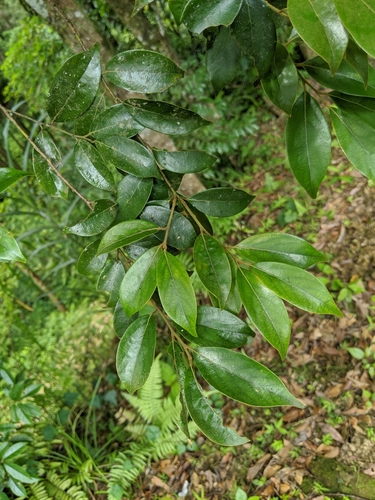
(c) 刘光裕 Liu Guangyu, some rights reserved (CC BY-NC), uploaded by 刘光裕 Liu Guangyu
iNaturalist· cc-by-nc
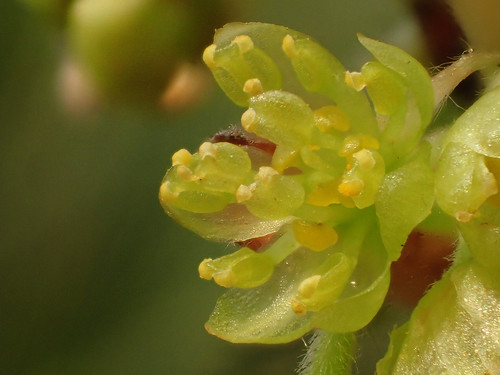
(c) Rajendra Koranga, some rights reserved (CC BY-NC)
iNaturalist· cc-by-nc
(c) Rajendra Koranga, some rights reserved (CC BY-NC)
Summary
Lindera pulcherrima is an evergreen tree reaching 7 m tall, remaining in leaf year-round. Dioecious with separate male and female plants required for seed production; not self-fertile. Grows in light sandy, medium loamy, and heavy clay soils, tolerating very acid conditions. Suitable for mildly acid and neutral soils. Prefers semi-shade and consistently moist soil.
Description
An evergreen tree. It grows 7-10 m tall. The leaves are alternate and narrowly oval. They are 8-13 cm long by 2-5 cm wide. The fruit are oval and 8 mm long by 6 mm wide.
Edible Uses
None known.
Traditional Uses
The ripe fruit are eaten without the seeds.
This uses section is brief — help expand it
Medicinal Uses
None known.
Distribution
It is a subtropical plant. It grows in forests, on mountain slopes between 100-3,700 m above sea level. In Sichuan and Yunnan.
Where It Grows
Asia, Bhutan, China, Himalayas, India, Myanmar, Nepal, SE Asia,
Propagation
Sow seed as soon as it is ripe in autumn in a greenhouse, as viability is short and the seed must not be allowed to dry out. Prick seedlings into individual pots when large enough and grow on under glass for their first winter. Plant out into permanent positions in early summer. Cuttings of half-ripe wood in July in a frame. Layering.
Other Uses
The wood is moderately hard and even-grained. It is used for construction, tea boxes, and similar purposes, and also as fuel.
Synonyms
Also Known As
Phusure, Sishi, Siss, Swe-nwe-pan
References (2)
- Joshi, A. R.. and Joshi, J., 2009, Plant Diversity and Ethnobotanical Notes on tree species of Syabru Village, Langtang National Park, Nepal. Ethnobotanical Leaflets 13:651-64
- www.efloras.org Flora of China Volume 7