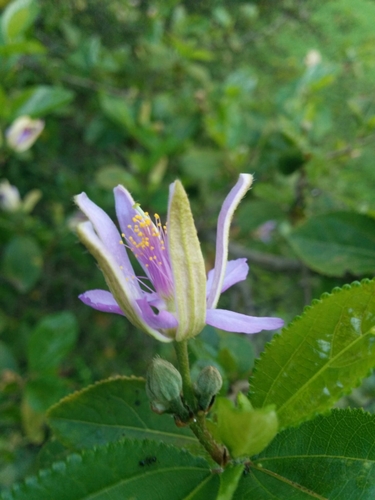
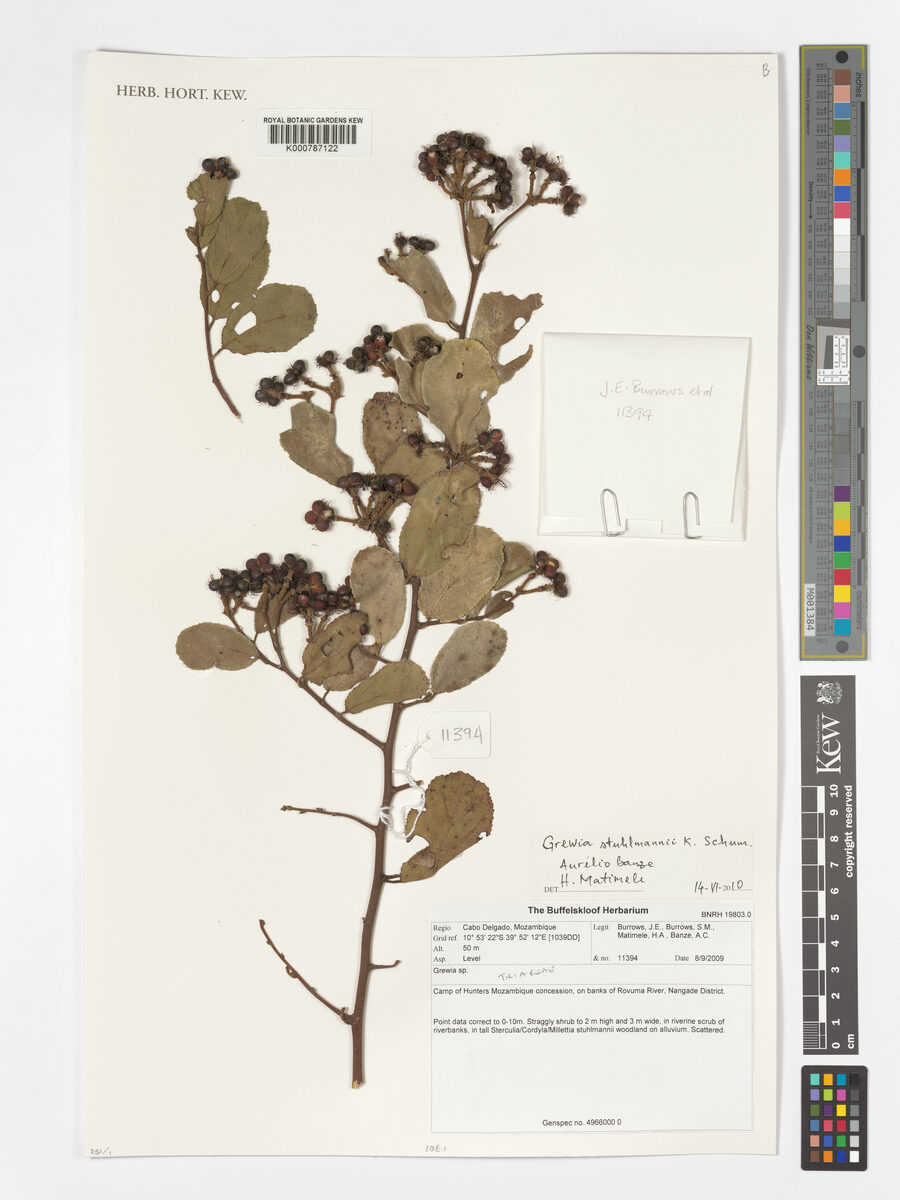
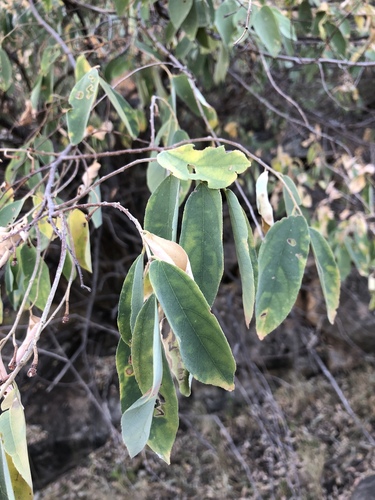
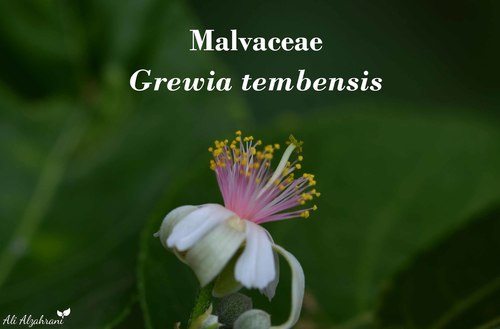
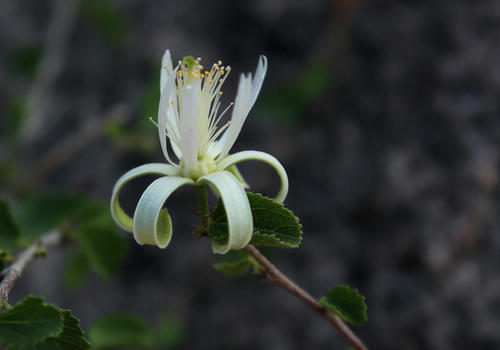
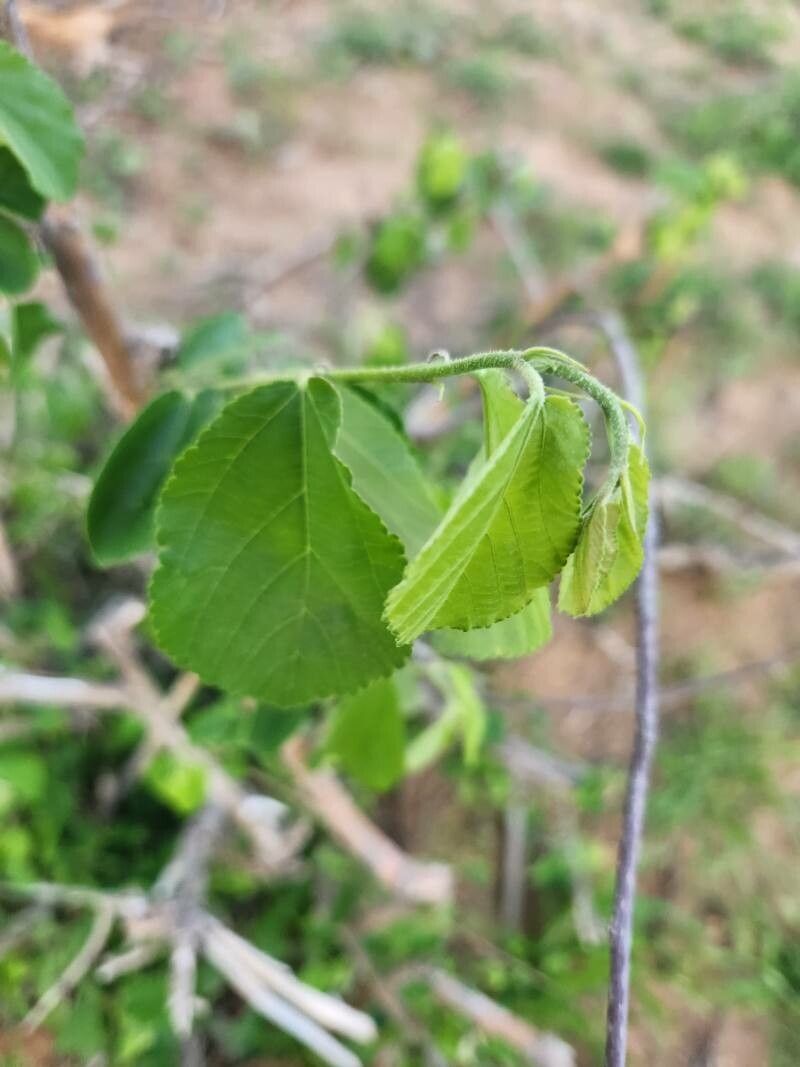
Heliocarpus popayanensis
Kunth
iNaturalist· cc-by-nc
(c) David Rankin, some rights reserved (CC BY-NC)
iNaturalist· cc-by
(c) Neptalí Ramírez Marcial, some rights reserved (CC BY)
iNaturalist· cc-by
(c) Neptalí Ramírez Marcial, some rights reserved (CC BY)
Description
A tropical tree that grows at high altitude in Costa Rica and from sea level to 1,500 m elevation in Argentina. It belongs to the Malvaceae family.
This description is brief — help expand it
Edible Uses
The sap is consumed as a drink.
Distribution
It is a tropical plant. It grow at high altitude in Costa Rica. In Argentina it grows from sea level to 1,500 m above sea level.
Where It Grows
Argentina, Bolivia, Brazil, Central America, Costa Rica*, Paraguay, South America,
Cultivation
Grows best in a sunny position. Prefers a clayey, very fertile soil in the wild. The plant produces large quantities of wind-dispersed seeds each year. This has helped it to escape from cultivation in Hawaii, where it has become somewhat invasive. A very fast-growing plant, easily able to reach a height of 5 metres within 2 years from seed.
Propagation
Seed - best sown as soon as it is ripe in a partially shaded position in a nursery seedbed. A high germination rate can usually be expected, with the seed sprouting within 10 - 12 days. When the seedlings are 3 - 5cm tall, pot them up into individual containers and they should be ready to plant out less than 4 months later. The seed has a viability in excess of 3 months in storage.
Other Uses
The bark of the young branches yields a strong, durable fibre from which a coarse rope is made. It is used also for weaving mats and baskets. The creamy-white wood has a moderately high, silky lustre; straight-grained; medium to rather coarse-textured; it is odourless and tasteless. The wood is light in weight, soft, strong for its weight, porous, with poor mechanical properties and not durable when exposed. It requires a sharp knife to cut smoothly across grain, saws slightly woolly, easy to work, but does not take a smooth finish, and holds its place well. It is only used for items such as light boxes, toys, pencils, press plates etc. The light wood can also be used to make rafts. A fast-growing plant that succeeds in full sun, it can be used as a pioneer species when restoring native woodland and can also be used when establishing a woodland garden. It should, however, only be used within its native range because of the risk of it becoming invasive elsewhere.
Notes
They have also been put on the Tiliaceae.
Synonyms
Also Known As
Burio
References (1)
- Kapelle, M., et al, 2000, Useful plants within a Campesino Community in a Costa Rican Montane Cloud Forest. Mountain Research and Development, 20(2): 162-171