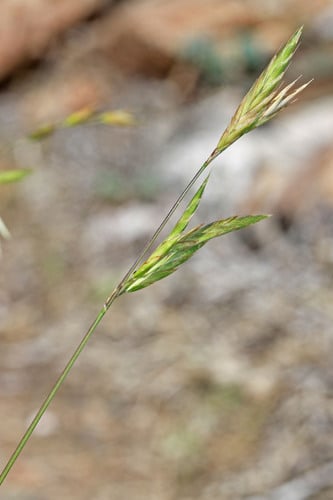
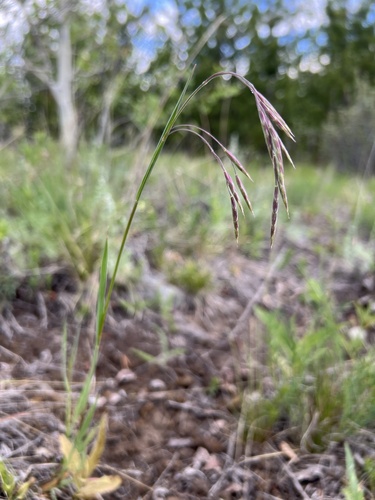
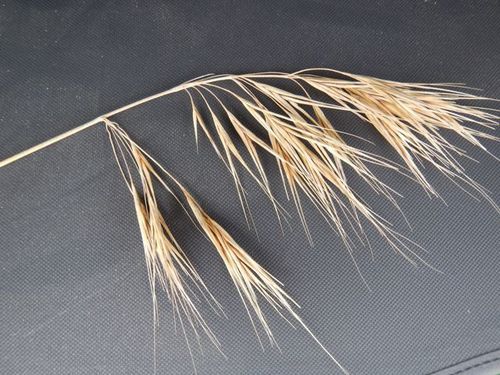
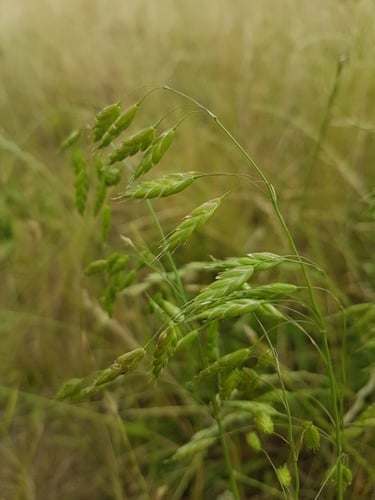
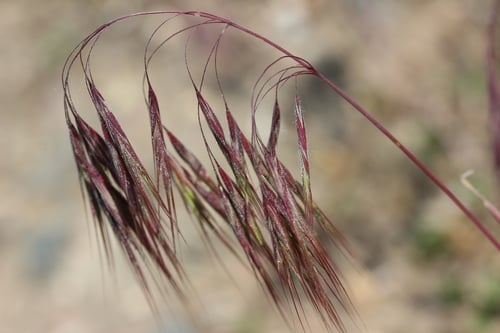
Leymus cinereus
(Scribn. & Merr.) A. Love
Great Basin wild rye
iNaturalist· cc-by-nc
(c) pam_reschke, some rights reserved (CC BY-NC), uploaded by pam_reschke
iNaturalist· cc-by
(c) Matt Lavin, some rights reserved (CC BY)
Summary
Source: WikipediaLeymus cinereus is a species of wild rye known by the common names basin wild rye, Great Basin wild rye, and Great Basin lyme grass. It is common in western North America.
Description
A robust tufted grass. It grows 70-200 cm tall. The leaves are flat and 5-15 mm wide.
This description is brief — help expand it
Edible Uses
The seeds can be cooked or ground into flour for making bread. Basin wildrye grains were traditionally valued as food by Native Americans throughout the Great Basin. Harvesting took place from midsummer to autumn, with flowers blooming from June to August and grains maturing between July and October. A critical caution is the risk of ergot infection (Claviceps purpurea), a toxic fungus that can infest the grains. Ergot has a long history of causing serious poisoning, and cooking does not neutralise the toxins. Only healthy grains free of fungal infection should be gathered.
Medicinal Uses
None known
Distribution
It is a temperate plant.
Where It Grows
Canada, North America, USA,
Propagation
Sow seed in mid spring in situ, barely covering it; germination should occur within 2 weeks. If seed is limited, sow in mid spring in a cold frame with minimal covering. Prick seedlings into individual pots when large enough to handle and plant out in summer. Divide in spring or summer — larger clumps can be replanted directly into permanent positions, while smaller clumps are best potted up and grown on in a cold frame until rooting well before planting out in spring.
Other Uses
The plant is well adapted to stabilising disturbed soils. Its drought tolerance, fibrous root system, and fair seedling vigour make it suitable for land reclamation in areas receiving 200–500mm of annual precipitation. It is commonly planted as a grass barrier to control wind erosion and blowing snow, and has also been established on hilly cropland as a vegetative terrace to control water erosion.
Synonyms
Also Known As
Waiya
References (2)
- Coutre, M. D., et al, 1986, Foraging Behaviour of a Contemporary Northern Great Basin Population. Journal of California and Great Bason Anthropology Vol. 8(2) pp 150-160 (As Elymus cinereus)
- World Checklist of Useful Plant Species 2020. Royal Botanic Gardens, Kew