Acmella ciliata
(Kunth) Cass.
Fringed pod toothache plant
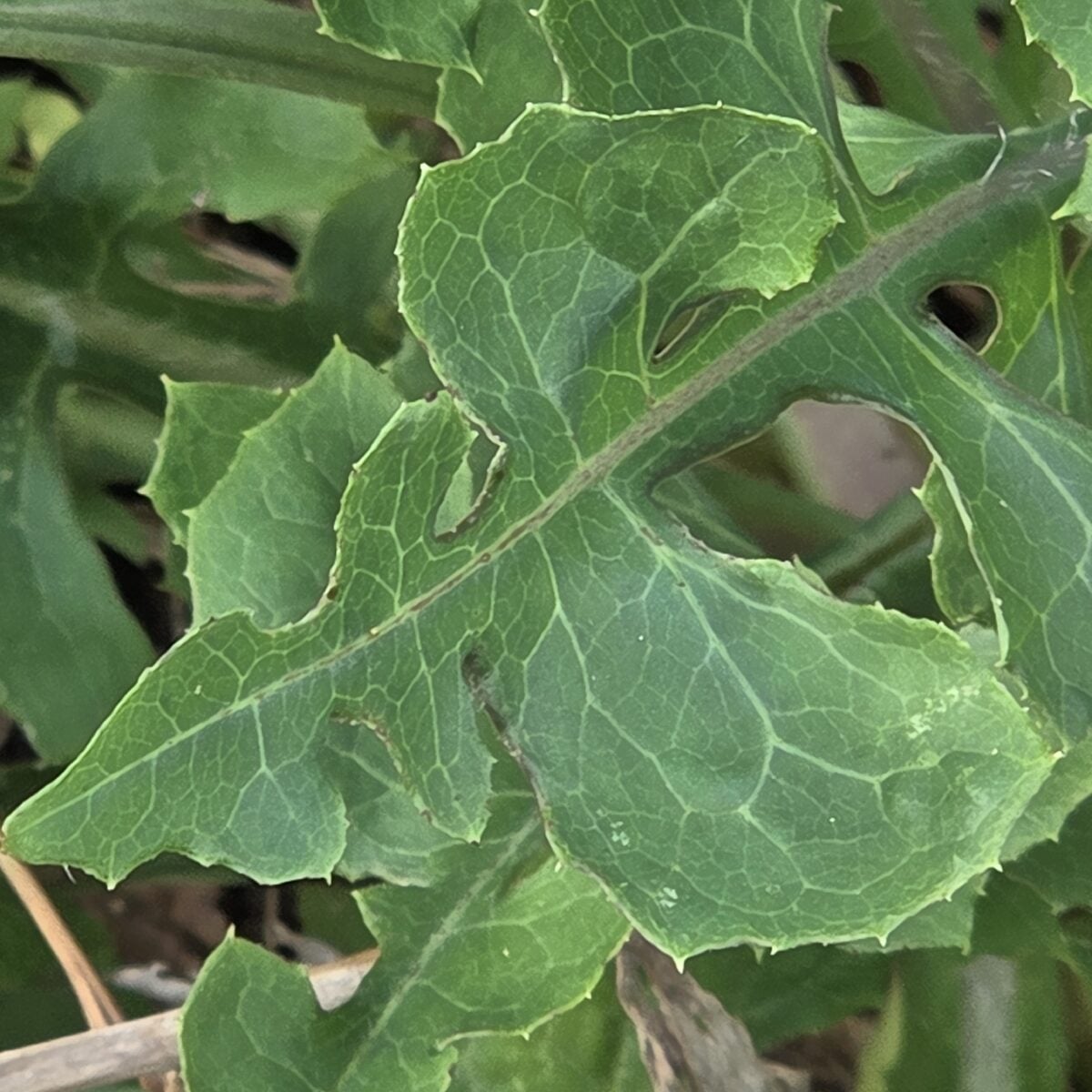
iNaturalist· cc-by-nc-sa
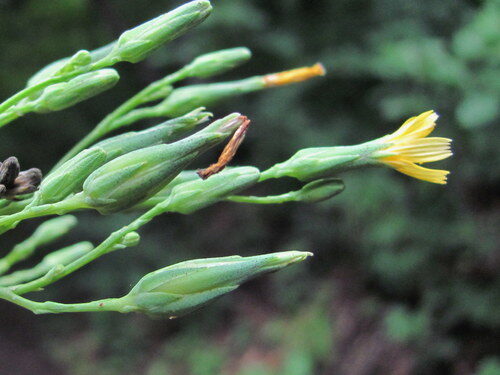
(c) Jkadavoor (Jee), some rights reserved (CC BY-NC-SA)
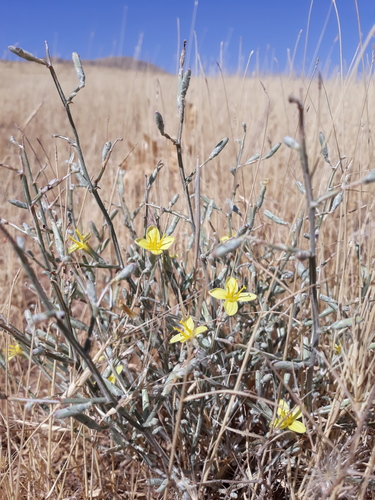
iNaturalist· cc-by-nc-sa
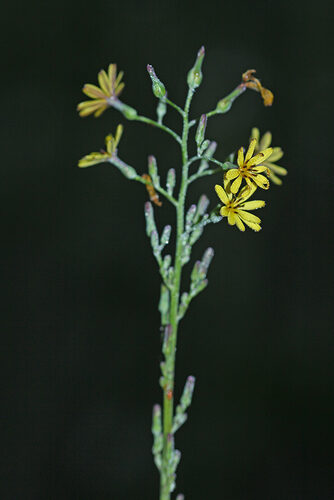
(c) Tony Rodd, some rights reserved (CC BY-NC-SA)
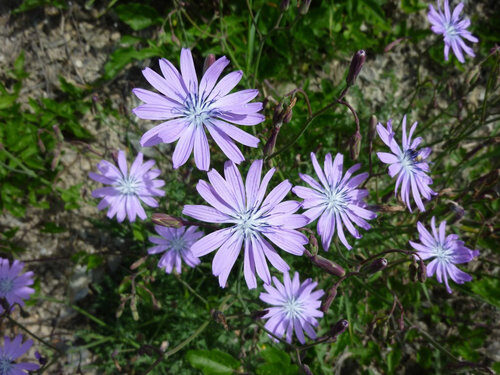
iNaturalist· cc-by-nc-sa
(c) Tony Rodd, some rights reserved (CC BY-NC-SA)
Description
A shrub or small tree. It grows 5 m tall. There are prickles along the stem. The leaves are twice divided and there are 8-18 pairs of pinnae. There are up to 50 pairs of pinnules on each pinnae. The flowers are yellow. They are in large clusters at the ends of branches. The pods are flattened.
Edible Uses
The leaves are eaten as a spice or vegetable. The flowers are also edible.
Traditional Uses
Argentina, Asia, Bolivia, Brazil, Central America, Colombia, Ecuador, Guyana, Himalayas, India, Malaysia, Nepal, Panama, South America*, Taiwan, Thailand, Venezuela,
Medicinal Uses
A decoction of the dried root, combined with Spearmint (Mentha spicata) is used in the treatment of internal bleeding, renal bleeding, and colds with high levels of mucus. A herbal bath prepared with the leaves is used to treat diarrhoea. The flowers are used to treat diarrhoea.
Distribution
It is a tropical plant. In Argentina it grows from sea level to 3,000 m above sea level.
Where It Grows
Moist, weedy habitats especially along road sides, cultivated fields, and stream banks; at elevations from sea level to 2,650 metres.
Cultivation
It is a commercially cultivated vegetable.
Synonyms
Also Known As
Agriao, Botoncillo, Jambo, Pirpiriya, Sesa
References (6)
- Daly, D. C., An Index of Common Names of Plants in Acre, Brazil. New York Botanical Garden Universidade Federal do Acre.
- Dangol, D. R. et al, 2017, Wild Edible Plants in Nepal. Proceedings of 2nd National Workshop on CUAOGR, 2017.
- Gautam, R. S., et al, 2022, Ethnobotanical Review of Wild Edible Plants of Nepal. Journal of Natural History Museum Volume 32, 2021-22 p 105
- Kays, S. J., and Dias, J. C. S., 1995, Common Names of Commercially Cultivated Vegetables of the World in 15 languages. Economic Botany, Vol. 49, No. 2, pp. 115-152 (As Spilanthes ciliata)
- Kermath, B. M., et al, 2014, Food Plants in the Americas: A survey of the domesticated, cultivated and wild plants used for Human food in North, Central and South America and the Caribbean. On line draft. p 17
Show all 6 references Hide references
- Kew Plants of the World Online