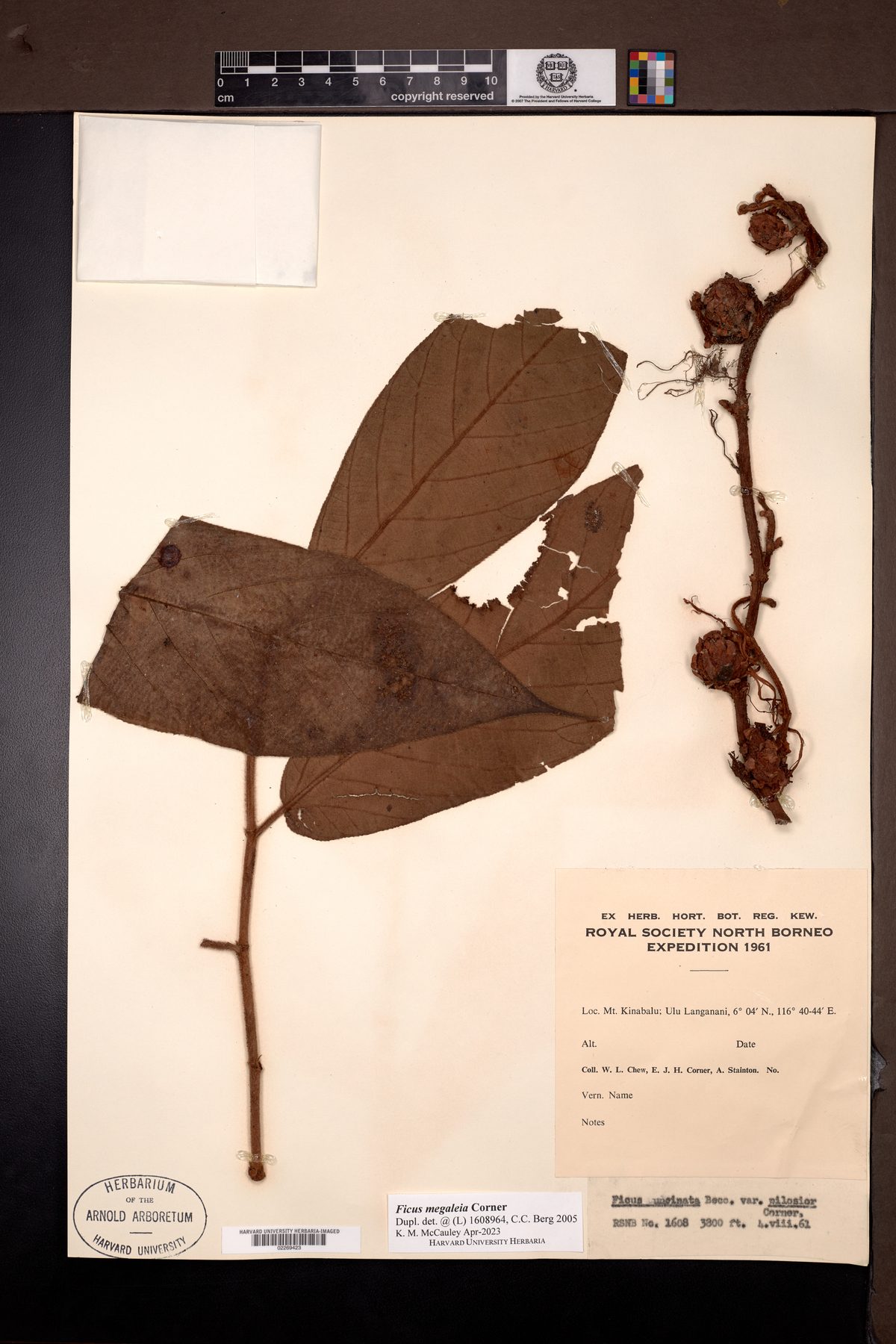
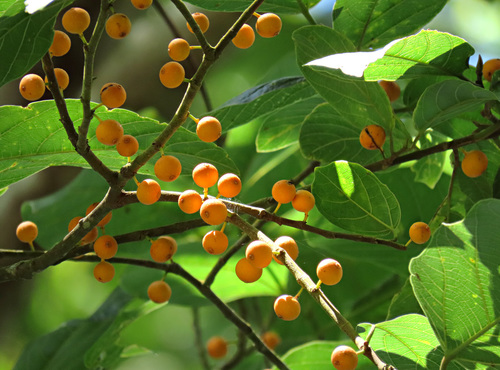
Artocarpus tamaran
Becc.
Elephant jackfruit tree
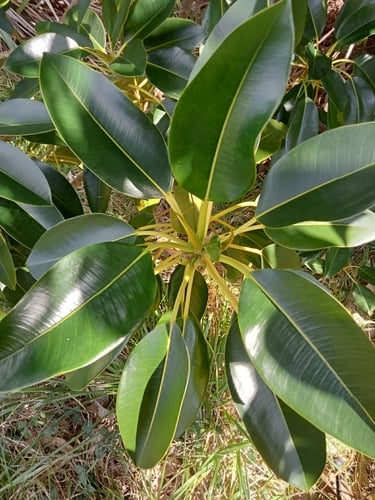
iNaturalist· cc-by
(c) Tamorlan, some rights reserved (CC BY)
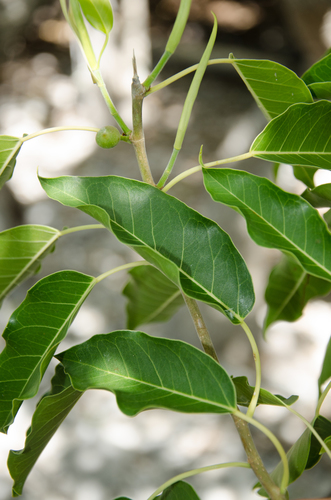
iNaturalist· cc-by-nc
(c) Sonia Molino, some rights reserved (CC BY-NC)
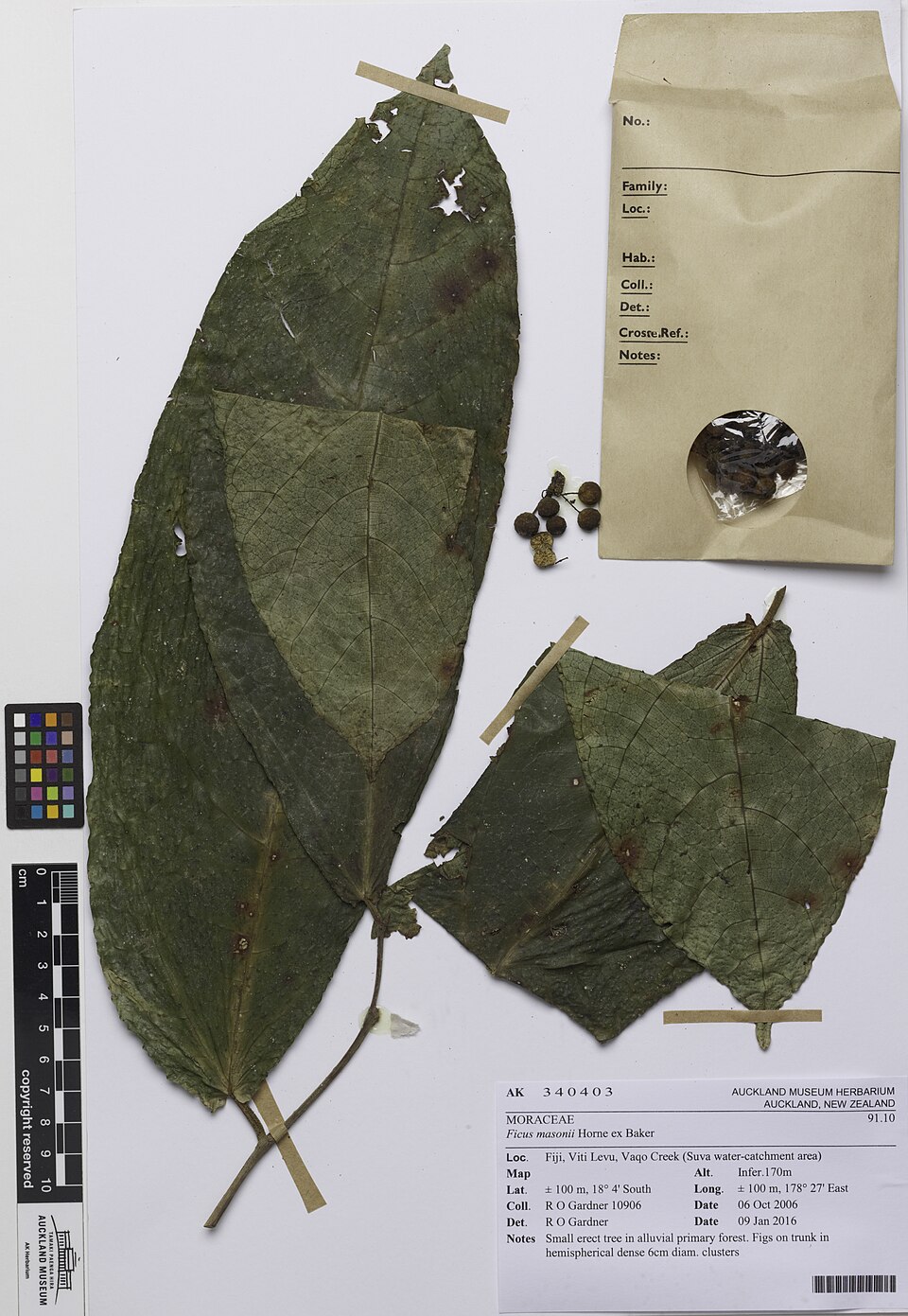
iNaturalist· cc-by-nc
(c) Ganjar Cahyadi, some rights reserved (CC BY-NC)
Summary
Source: WikipediaArtocarpus tamaran, also known as elephant jack in English, tarap tempunan in Malay, and more locally as timbangan, tamaran, entawa or wi yang, is a species of flowering plant, a fruit tree in the fig family, that is native to Southeast Asia.
Description
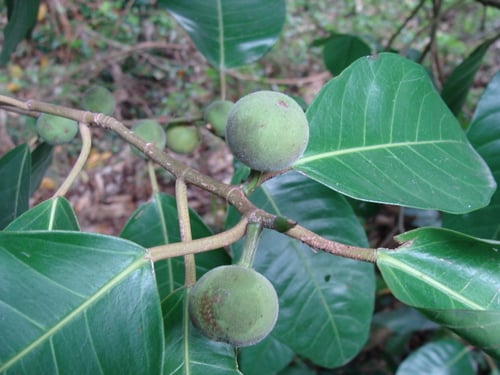
An evergreen tree. It grows 40 m tall. It has buttresses. The bark is brownish-grey. The leaves can be 35 cm long. They are narrowly oval and leathery. They are arranged in spirals. The male and female flowers occur singly and are separate.
Edible Uses
The fruit are eaten, particularly by children.
Distribution
It is a tropical plant. It grows in Sabah in Borneo. It grows in evergreen forests up to 650 m above sea level.
Where It Grows
Asia, Indonesia, Malaysia, Sarawak, SE Asia,
Cultivation
Plants are grown from seed.
Other Uses
A cloth is made from the bark. The wood is a source of the timber 'terap'. We have no specific information for this species, but the general description of terap timber is as follows:- The heartwood is yellow to pale brown; it is usually not differentiated from the sapwood. The texture is moderately coarse to coarse and even; the grain is interlocked. The wood is non-durable under tropical conditions. It seasons fairly slowly, with high shrinkage and slight bowing, cupping and checking. It is generally easy to work; saws well; planes easily but leaves a rough finish on radial surfaces; bores and turns easily, but leaves a rough finish;nailing property is good; can be peeled satisfactorily and is suitable for plywood production. Locally, the wood is used for light construction, for making boxes, crates, wooden pallets and veneer. The wood is sometimes nicely figured and therefore is suitable for decorative purposes like furniture, joinery and panelling.
Other Information
The fruit are often eaten by children.
Also Known As
Kakang, Pohon nangka gading, Talun
References (3)
- Chai, P. P. K. (Ed), et al, 2000, A checklist of Flora, Fauna, Food and Medicinal Plants. Lanjak Entimau Wildlife Sanctuary, Sarawak. Forestry Malaysia & ITTO. p 169
- Hoare, A., 2003, Food use of the Lundayeh SW Sabah. Borneo Research Council.
- Sukarya, D. G., (Ed.) 2013, 3,500 Plant Species of the Botanic Gardens of Indonesia. LIPI p 140