Arenga brevipes
Becc.
Baling palm
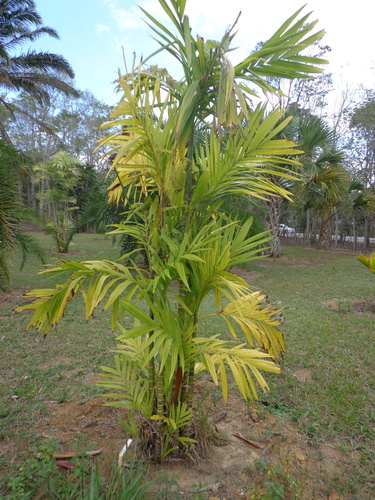
iNaturalist· cc-by-nc
(c) Ryan E. Gray, some rights reserved (CC BY-NC), uploaded by Ryan E. Gray
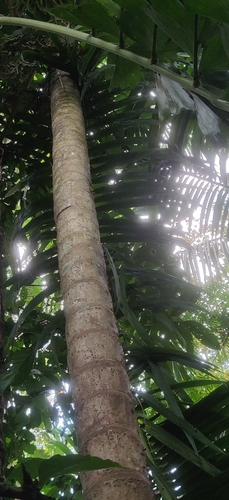
iNaturalist· cc-by-nc
(c) Ryan E. Gray, some rights reserved (CC BY-NC)
Description
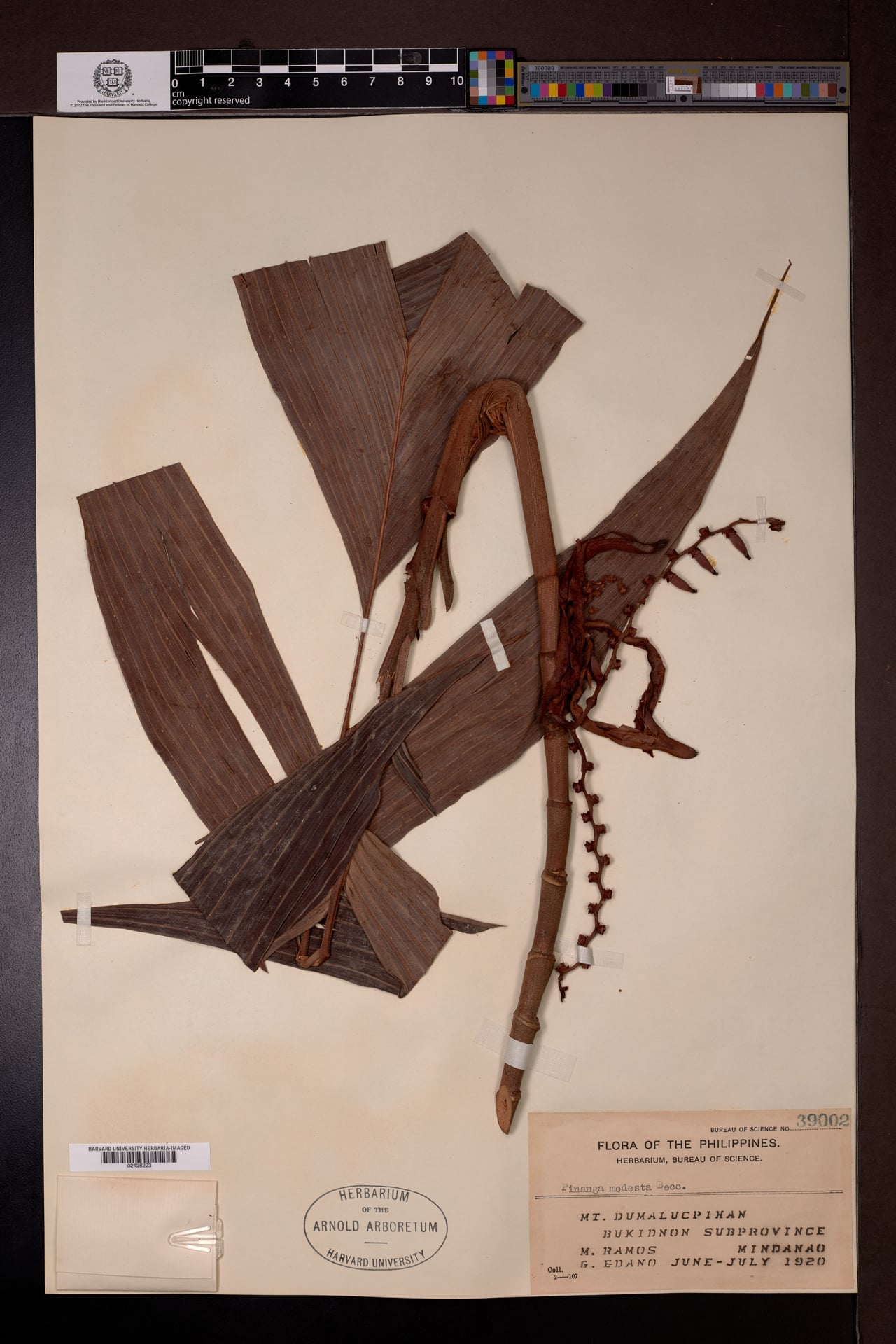
A cluster palm. It grows 4 m tall. The trunk is 35 cm across. It is covered with old leaf fibres. The leaves have leaflets along the stalk. The leaflets are rhomboid and angular along the edges. The flowering shoots come from among the leaves. The fruit are oval and 3.5 cm across. They are yellow.
Edible Uses
Leaves - cooked. The apical bud, known as a 'palm heart' is eaten as a vegetable. Eating the bud causes the death of the tree since it is unable to form side shoots. The stem pith is eaten. The taller Arenga palms store large quantities of starch in their stem that are later converted into sugar to be translocated to the inflorescences. The sugar can be drawn off in the juice by tapping the peduncle and rachis of the male inflorescence. By far the most important sugar producer in the genus is Arenga pinnata, but other species are used similarly. The starch of the stem can also be harvested.
Traditional Uses
The pith of the stem is eaten.
This uses section is brief — help expand it
Known Hazards
The fruits of most species in this genus are poisonous and are sometimes used criminally. The fleshy mesocarp of the fruits usually contains many oxalate crystals, making the flesh inedible.
Distribution
It is a tropical plant. It grows in lowland dipterocarp forests and up to 700 m above sea level. It has been recorded up to 1,700 m.
Where It Grows
Asia, Indonesia, Malaysia, Philippines, SE Asia,
Cultivation
Plants can be grown from seeds and suckers.
Propagation
Seed - a deep root is formed before the seedling emerges above soil level, and so the seed should be sown in individual, deep containers. Pre-soak the seed for 24 hours in warm water before sowing. It can take 3 - 6 months or more before signs of growth are seen above soil level.
Other Uses
The leaves are used for thatching and wickerwork.
Also Known As
Aping, Batbat, Deremeh, Palem baling
References (4)
- Chai, P. P. K., (Ed.), 2000, A checklist of Flora, Fauna, Food and Medicinal Plants. Lanjak Entimau Wild life Sanctuary. International Tropical Timber Organisation. p 208
- Lacuna-Richman, C., 2006, The use of non-wood forest products by migrants in a new settlement: experiences of a Visayan community in Palawan, Philippines. Journal of Ethnobiology and Ethnomedicine. 2:36 (Identity unsure)
- Soepadmo, E., 1998, Plants. The Encyclopedia of Malaysia. Archipelago press. p 54
- Sukarya, D. G., (Ed.) 2013, 3,500 Plant Species of the Botanic Gardens of Indonesia. LIPI p 752