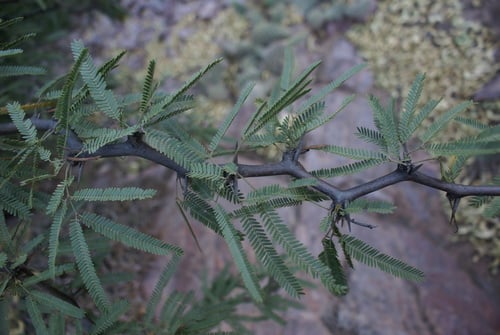
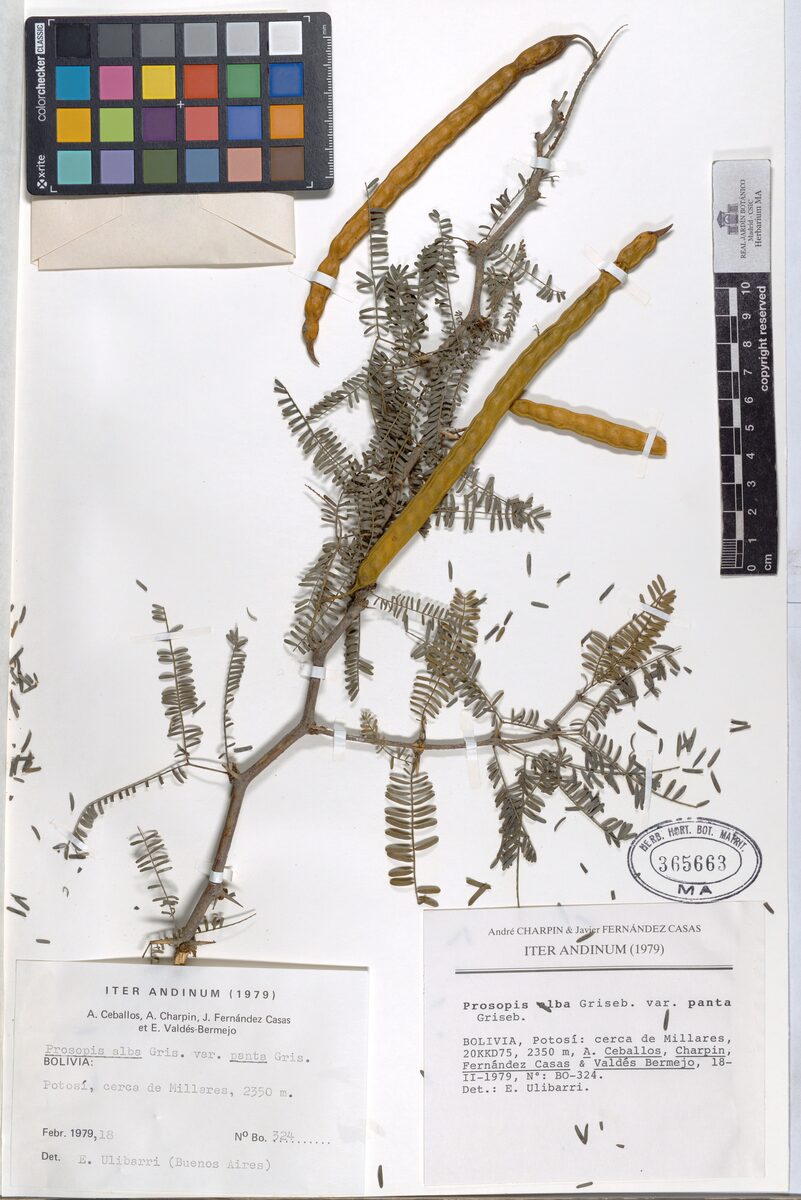
Prosopis elata
(Burkart) Burkart
Tall mesquite
iNaturalist· cc-by-nc
(c) Jose Luis Navarro, some rights reserved (CC BY-NC)
iNaturalist· cc-by-nc
(c) Jose Luis Navarro, some rights reserved (CC BY-NC)
iNaturalist· cc-by-nc
(c) Jose Luis Navarro, some rights reserved (CC BY-NC)
Description
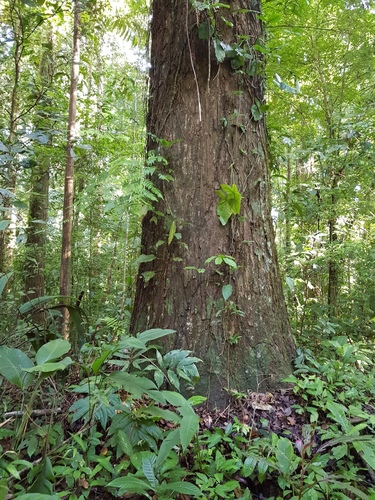
A tree in the Fabaceae family, known as tall mesquite.
This description is brief — help expand it
Edible Uses
The fruit and pods are used as food.
Traditional Uses
Fruit, Pods,
This uses section is brief — help expand it
Medicinal Uses
Neltuma species have been found to contain 5-hydroxytryptamine, apigenin, isorhamnetin-3-diglucoside, l-arabinose, quercetin, tannin, and tryptamine. The tannins present in Neltuma species are of the pyrogallotannin and pyrocatecollic types. The tannins are mainly found in the bark and wood, while their concentration in the pods is low. Some species, such as N. velutina, produce a gum (mesquite gum).
Cultivation
Fabaceae
Production
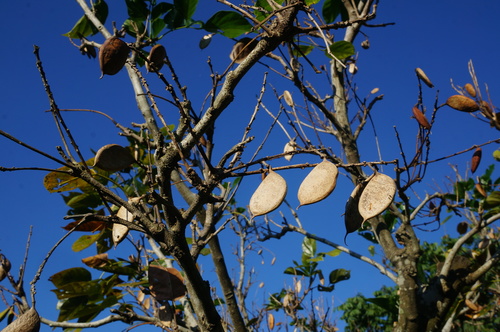
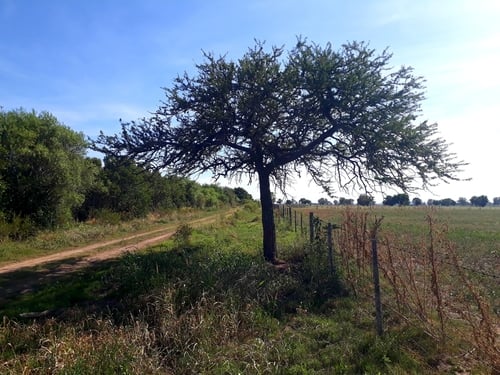
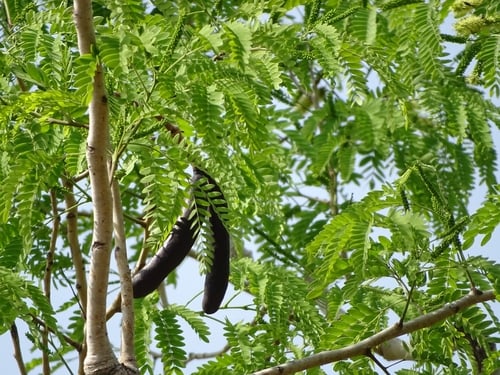
A shrub or small tree. It grows 4 m tall. It has spines. The leaves are 1.5-3.5 cm long with 15-28 leaflets along the stalk. These are 2-6 mm long by about 1 mm wide. The flowering heads are 2-7 cm long. The pods are 6-9 cm long by 6-8 mm wide.
Synonyms
Also Known As
Ajwentyek, Ajwentak, Kitiitak
References (4)
- Arenas, P. and Scarpa, G. F., 2006, Edible wild plants of the Chorote Indians, Gran Chaco, Argentina. Botanical Journal of the Linnean Society. Vol. 153 (1): pp 73-85
- Grandtner, M. M. & Chevrette, J., 2013, Dictionary of Trees, Volume 2: South America: Nomenclature, Taxonomy and Ecology. Academic Press p 534
- Montani, M. C. & Scarpa, G. F., 2016, Recursos vegetales y prácticas alimentarias entre indígenas tapiete del noreste de la provincia de Salta, Argentina. Darwiniana, nueva serie vol.4 no.1 San Isidro jul. 2016
- Scarpa, G. F., 2009, Wild food plants used by the indigenous peoples of South American Gran Chaco: A general synopsis and intercultural comparison. Journal of Applied Botany and Food Quality 83:90-101