Rhododendron delavayi
Franch.
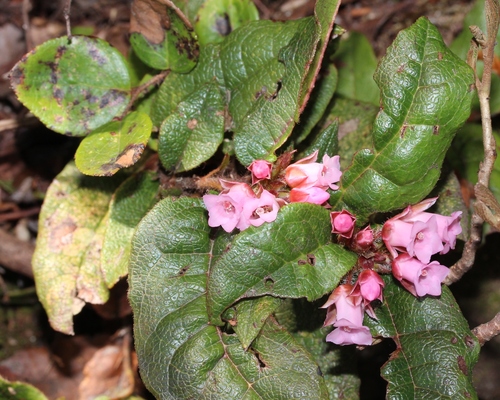
iNaturalist· cc-by-nc
(c) Thanyarat Sukruan, some rights reserved (CC BY-NC)
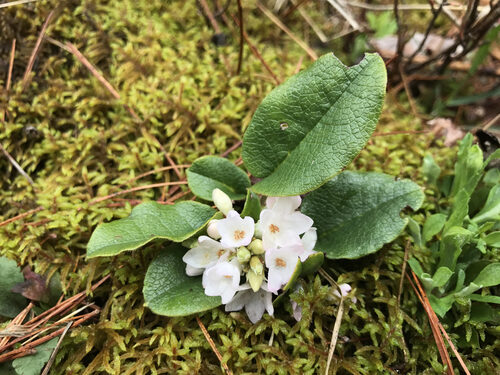
iNaturalist· cc-by-nc
(c) NaturemanThaimountain, some rights reserved (CC BY-NC)
iNaturalist· cc-by-nc
(c) NaturemanThaimountain, some rights reserved (CC BY-NC)
Description
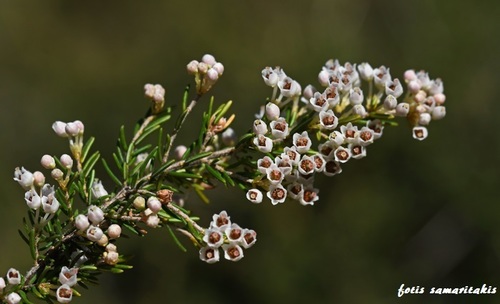
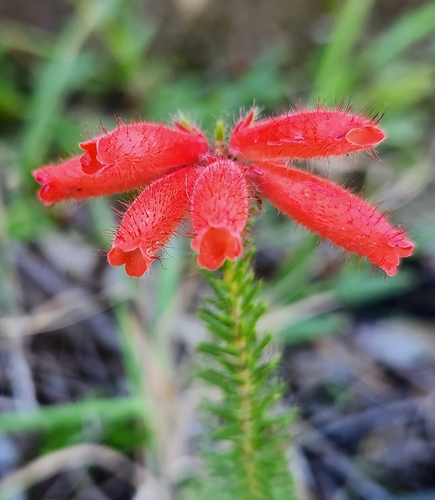
A shrub or small tree. It grows 1-7 m tall. The bark peels off in small irregular flakes. The young shoots have a white covering. The leaves are sword shaped and 7-15 cm long by 1-5 cm wide. They taper to the base and the edges curl under. They are whitish underneath. The flowers are in a round head made up of 10-20 flowers. They have a rusty coating. They are deep red.
Edible Uses
The flower petals and flowers are eaten.
Distribution
It is a subtropical plant. It grows in limestone areas. It grows between 1,200-3,200 m above sea level. In Sichuan and Yunnan. In Rhodo gardens.
Where It Grows
Asia, Australia, Bhutan, China, Himalayas, India, Indochina, Myanmar, Northeastern India, SE Asia*, Tasmania, Thailand, Tibet, Vietnam,
Synonyms
Also Known As
Kham daeng
References (2)
- Liu, Yi-tao, & Long, Chun-Lin, 2002, Studies on Edible Flowers Consumed by Ethnic Groups in Yunnan. Acta Botanica Yunnanica. 24(1):41-56
- Thitiprasert, W., et al, 2007, Country report on the State of Plant Genetic Resources for Food and Agriculture in Thailand (1997-2004). FAO p 95 (As Rhododendron arboreum ssp. delavayi)