Millettia brandisiana
Kurz
Eagle wood
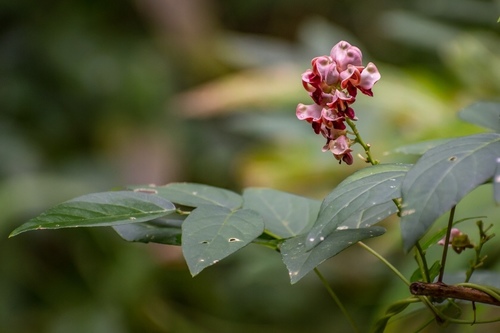
iNaturalist· cc-by
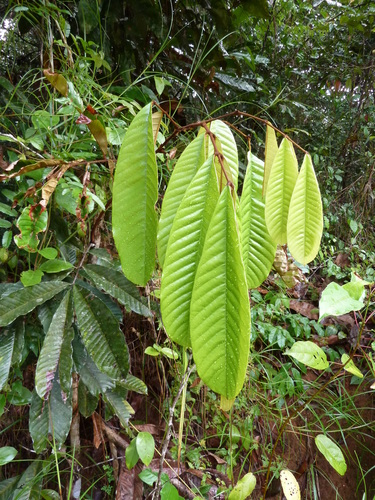
(c) Rongrong Angkaew, some rights reserved (CC BY), uploaded by Rongrong Angkaew
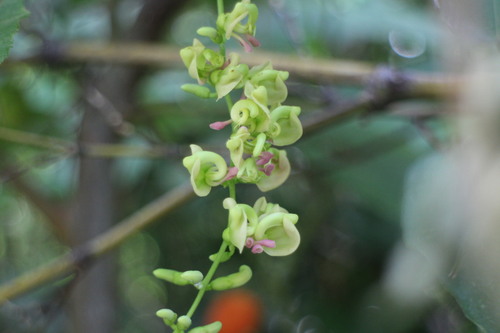
iNaturalist· cc-by-sa
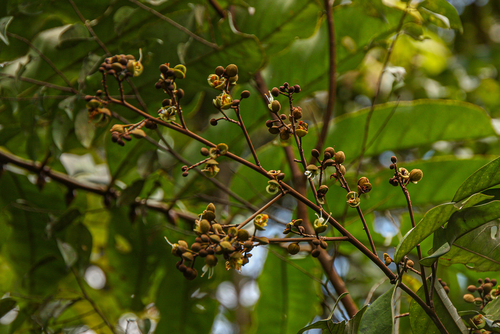
(c) Len Worthington, some rights reserved (CC BY-SA)
iNaturalist· cc-by-nc
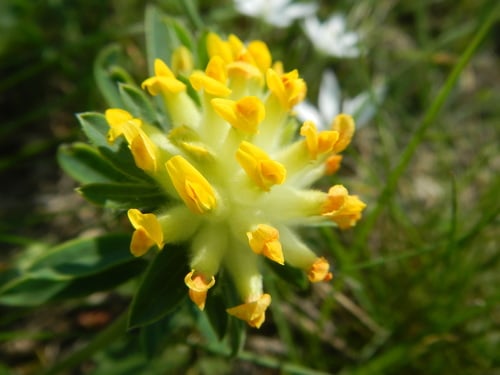
(c) johnlerond, some rights reserved (CC BY-NC)
Description
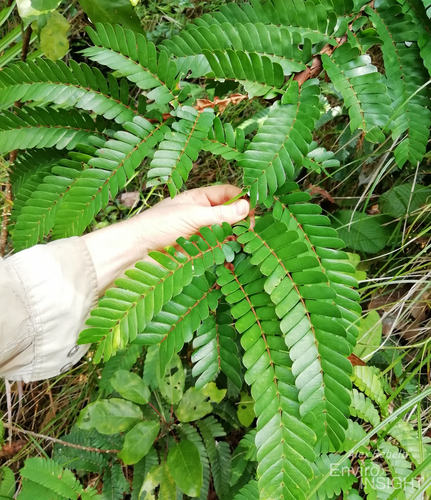
A medium sized tree. It grows 8-20 m tall. The trunk is simple and straight. The leaves are deep green and rough. They are oval and taper to a short tip. The flowers are in clusters in the axils of fallen leaves. They are pale pink or purple. The fruit are narrow flat pods that are slightly curved and taper to the base. The seeds are lens shaped and brown.
Edible Uses
The young leaves, leaf tips, and flowers are eaten.
Traditional Uses
The young leave and tips are eaten.
This uses section is brief — help expand it
Distribution
It is a tropical plant. It grows in limestone areas.
Where It Grows
Asia, Indochina, Laos, Myanmar, SE Asia, Thailand, Vietnam,
Notes
It contains isoflavines and rotenoids.
Synonyms
Also Known As
Dok ban, Kra phi chan, Kra-pe-jan, Mat Brandis, Pakjan, Thit-pagan
References (4)
- Luczaj, L., et al, 2021, Wild food plants and fungi sold in the markets of Luang Prabang, Lao PDR. Journal of Ethnobiology and Ethnomedicine (2021) 17:6
- Srichaiwong, P., et al, 2014, A Study of the Biodiversity of Natural Food Production to Support Community Upstream of Chi Basin, Thailand. Asian Social Science 10 (2):
- Sutjaritjai, N., et al, 2019, Traditional Uses of Leguminosae among the Karen in Thailand. Plants 2019, 8, 600 p 7
- Thitiprasert, W., et al, 2007, Country report on the State of Plant Genetic Resources for Food and Agriculture in Thailand (1997-2004). FAO p 95