Davidsonia johnsonii
J. B. Williams & G. J. Harden
Smooth leaf Davidson's plum
iNaturalist· cc-by-nc
(c) Sandy, some rights reserved (CC BY-NC), uploaded by Sandy
iNaturalist· pd
John Moss, no known copyright restrictions (public domain)
wikimedia· cc0
Wikimedia Commons - John Moss
Summary
Source: WikipediaDavidsonia johnsonii, commonly known as smooth Davidson's plum, is a small tree native to rainforests of eastern Australia. The leaves are compound, glossy and hairless. It is a rare tree in the wild, but it is cultivated for its edible fruit. The fruit is a deep burgundy colour, with a sour flavour and is popular in jams. It is cultivated in small plantations. Due to infertile seeds it can only be propagated from cuttings or division. Hence all cultivated material is derived from clones of wild plants. Plants take at least six years to produce fruit. Some selections are heavy bearing.
Description
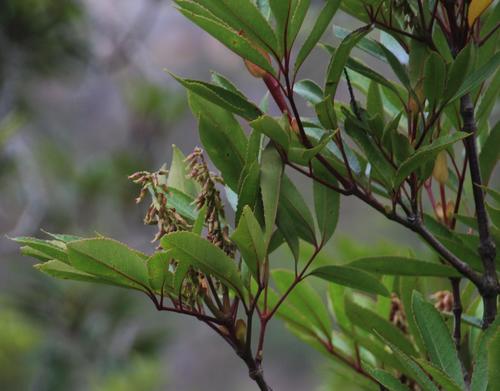
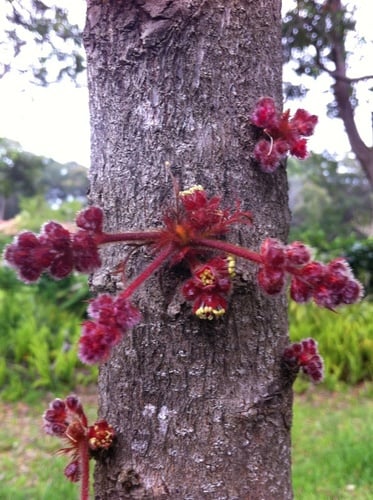
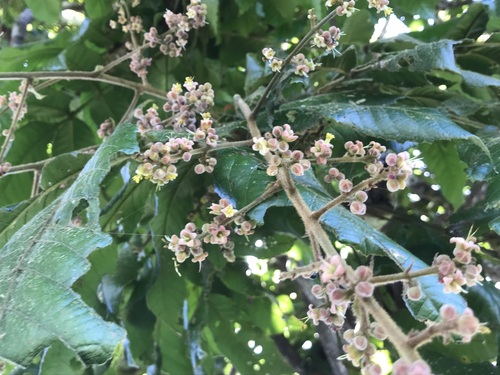
A small tree. It can be bushy or suckering. It grows 5-10 m tall. The crown is dense and leafy. The leaves are compound and shiny. They are 10-33 cm long. The leaf stalk has wings. There are 5-9 leaflets with one at the end. They are narrowly oval and taper towards the stalk. They are dull underneath. The flowers are in groups among the leaves and towards the ends of branches. The flowering shoots are 10-20 cm long. The fruit are a deep red colour. They are oval and 2-4 cm long.
Edible Uses
The sour fruit are used in jams.
Traditional Uses
Fruit are sour and used in jams.
This uses section is brief — help expand it
Distribution
It is a subtropical plant. It grows in rainforest. It is usually between 15-260 m above sea level.
Where It Grows
Australia*,
Cultivation
It is grown from cuttings or by division. Seed are not viable.
Production
Plants take 6 years to produce fruit. Flowering is in October and November and ripe fruit in February to April.
Notes
It is an at risk plant with a recovery plan in place.
References (2)
- Arora, R. K., 2014, Diversity in Underutilized Plant Species - An Asia-Pacific Perspective. Bioversity International. p 66
- Yallakool Reserve Plant List July 1, 2009 Off internet