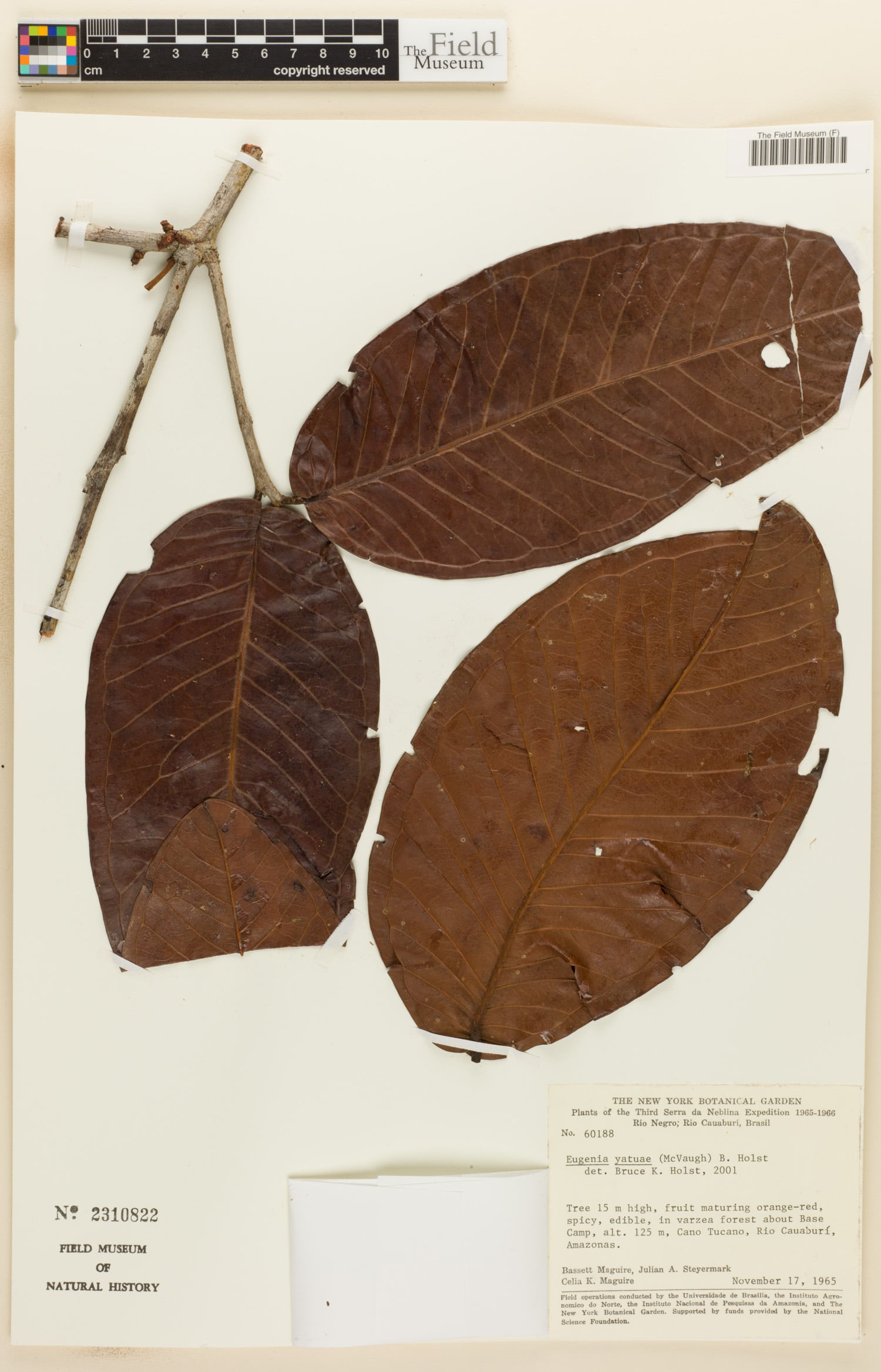
Eugenia monticola
(Sw.) DC.
Small-leaf, Biriji
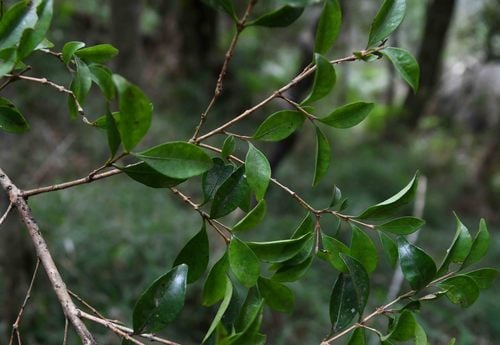
iNaturalist· cc-by-nc-nd
(c) Noah Frade, some rights reserved (CC BY-NC-ND), uploaded by Noah Frade
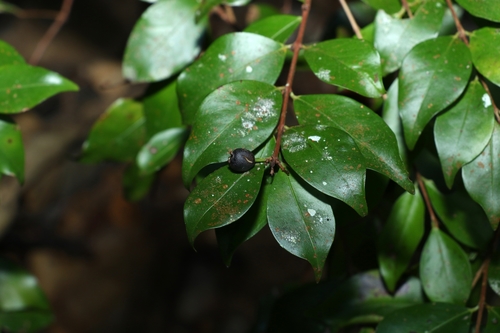
iNaturalist· cc-by-nc
(c) Juan Gabriel, some rights reserved (CC BY-NC)
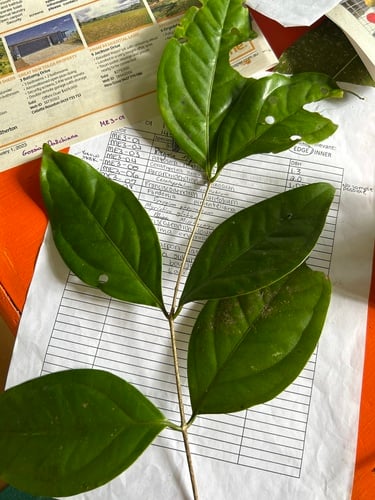
iNaturalist· cc-by
(c) Saryu Mae 前 朝琉, some rights reserved (CC BY), uploaded by Saryu Mae 前 朝琉
Description
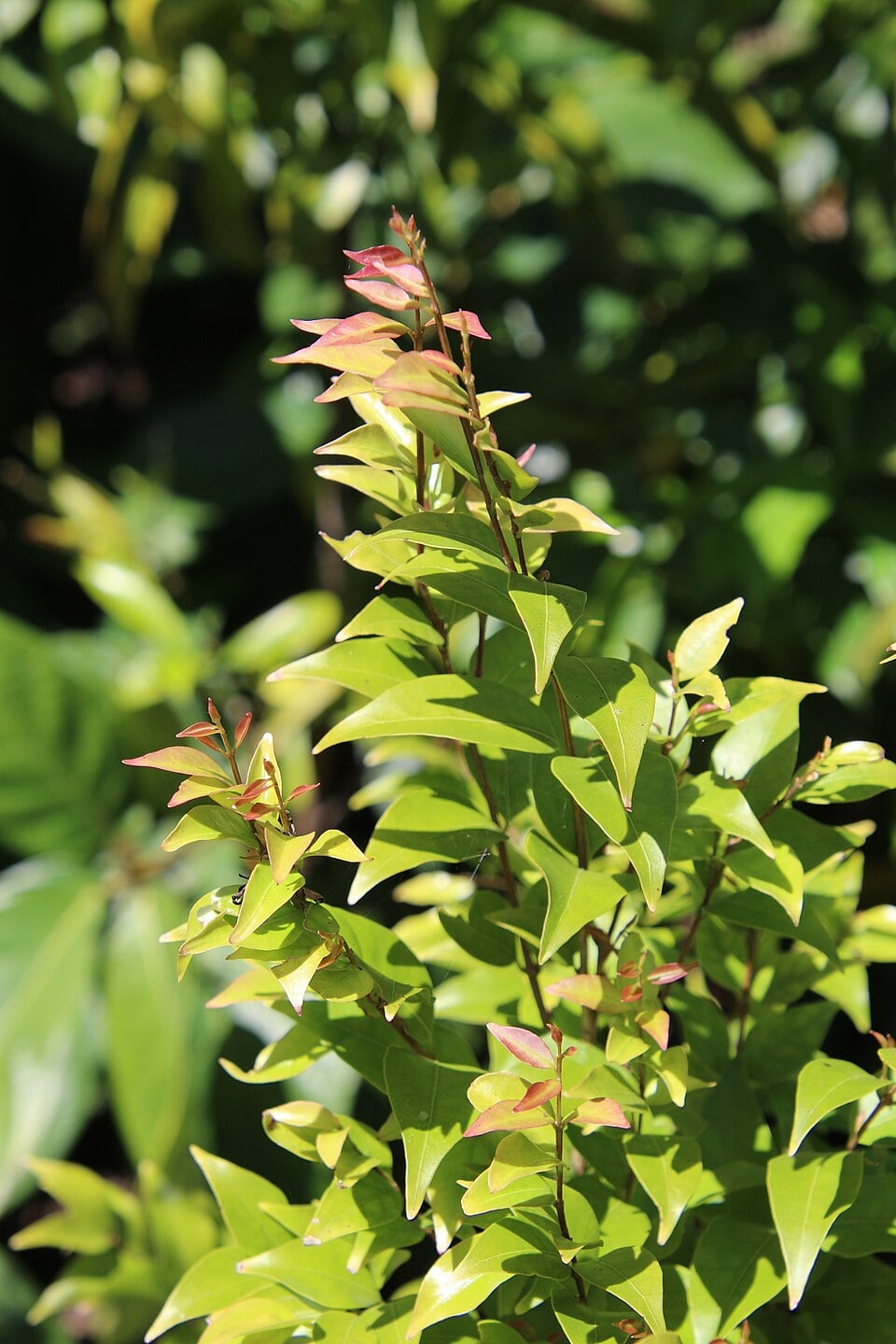
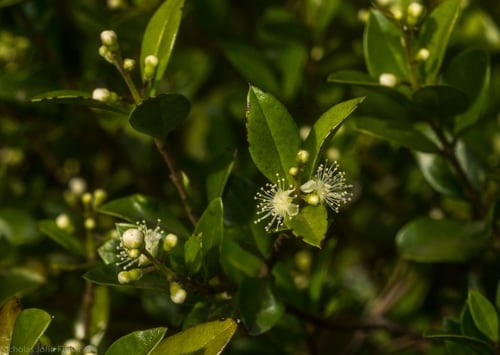
A small tree. It can grow 18 m tall. The trunk is 12 cm across. The bark is grey and smooth. The twigs are slender and light brown. They are finely hairy when young. The leaves are opposite in 2 rows. They are 2-3 cm long by 1 cm wide. The tip has a long blunt point. They are dull green above and paler underneath. The flowers are small and white.
Edible Uses
The fruit is edible.
Distribution
It is a tropical plant. In Puerto Rico it grows to 800 m above sea level.
Where It Grows
Bahamas, Barbados, Central America, Cuba, Dominican Republic, Ecuador, Guadeloupe, Guatemala, Guiana, Guianas, Guyana, Haiti, Lesser Antilles, Martinique, North America, Panama, Puerto Rico, South America, Suriname, Trinidad & Tobago, USA, Venezuela, Virgin Islands, West Indies,
Cultivation
The foliage sometimes has an unpleasant, skunk-ike odour.
Other Uses
The light brown wood is close-grained, compact, very heavy, hard and strong.
Synonyms
Also Known As
Guairaje, Hija menuda
References (3)
- Grandtner, M. M. & Chevrette, J., 2013, Dictionary of Trees, Volume 2: South America: Nomenclature, Taxonomy and Ecology. Academic Press p 240
- Kermath, B. M., et al, 2014, Food Plants in the Americas: A survey of the domesticated, cultivated and wild plants used for Human food in North, Central and South America and the Caribbean. On line draft. p 356
- Little, E. L., et al, 1974, Trees of Puerto Rico and the Virgin Islands. USDA Handbook 449. Forestry Service. p 662