Sarcostemma secamone
(L.) Bennett
Chamuk pla lot
No photos yet for Sarcostemma secamone
Sign in to contribute a photoDescription
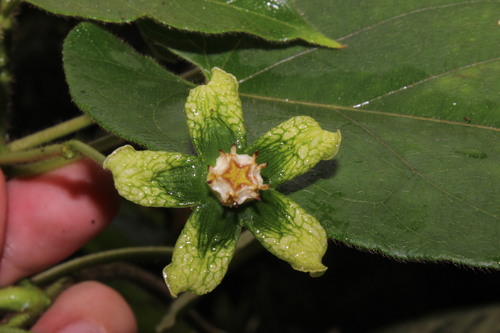
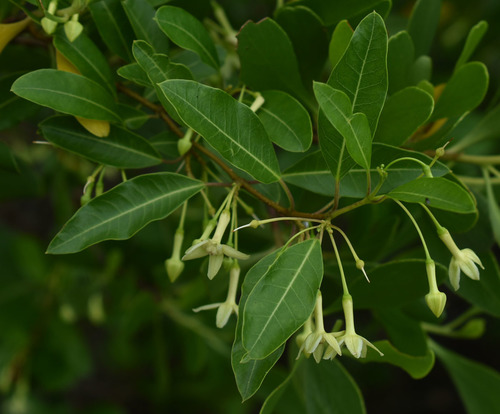
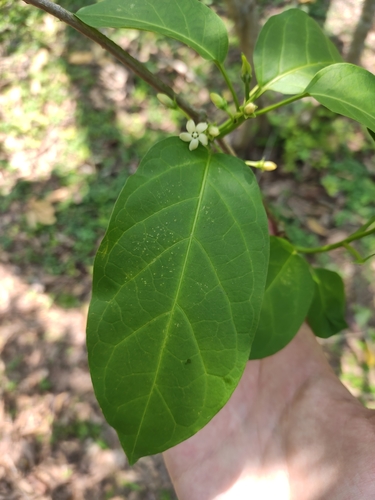
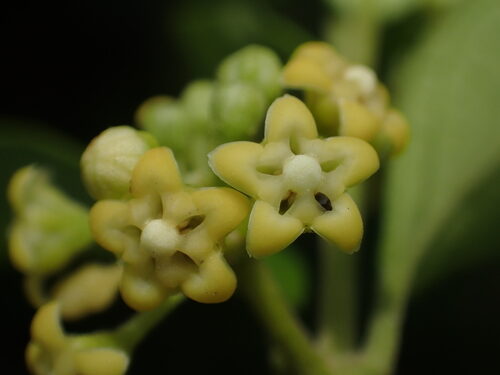
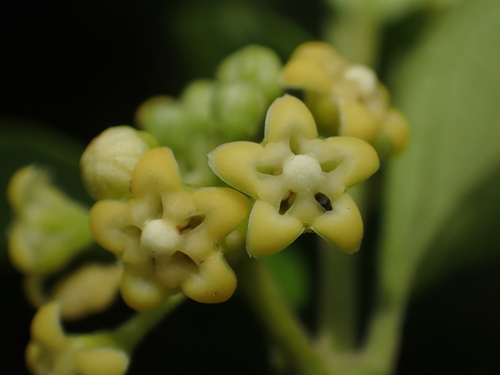
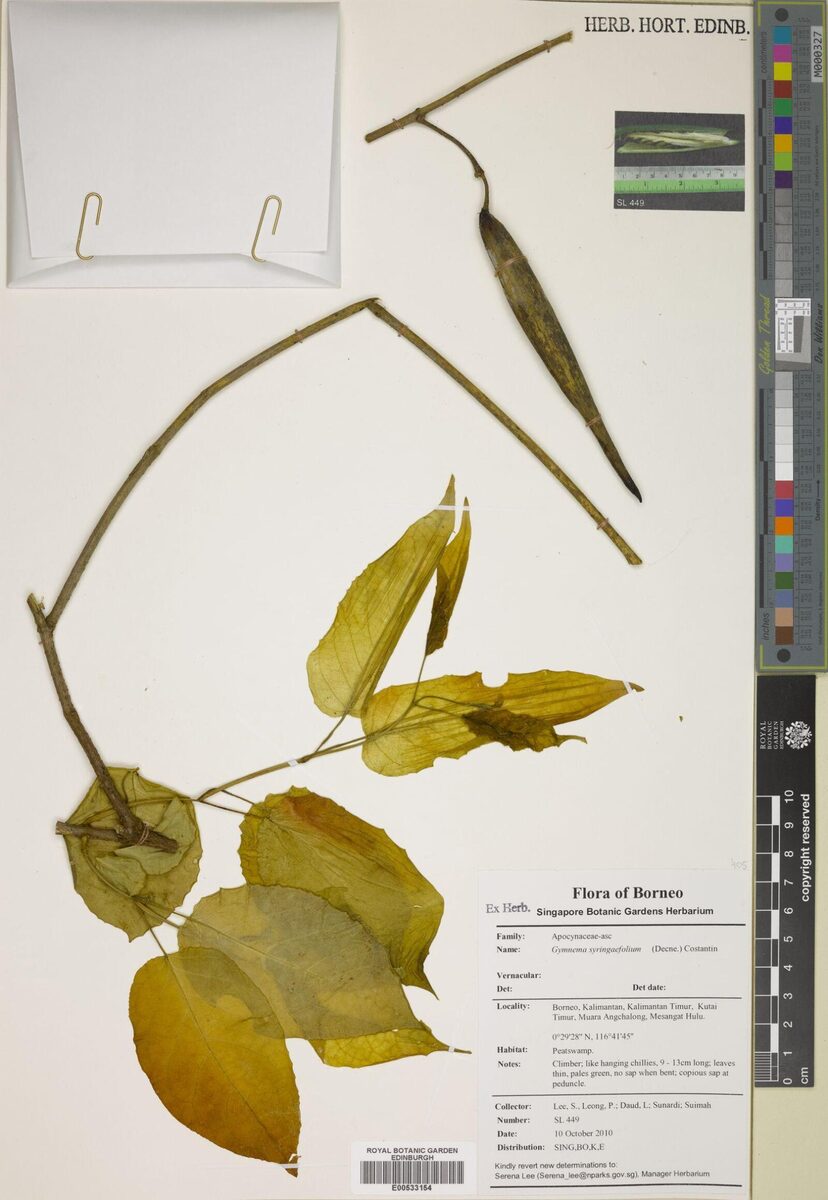
A climbing herb. It has milky sap. The leaves are opposite and narrowly sword shaped. They are 8 cm long by 1 cm wide. The flowers are in groups of 2-4 flowers 4 cm long. They are white with a pinkish-purple throat.
Edible Uses
The young leaves and flowers are cooked and eaten as a vegetable or used in vegetable curries; they are bitter.
Traditional Uses
The young leaves and flowers are cooked and used as a vegetable and cooked in vegetable curries. They are bitter.
This uses section is brief — help expand it
Medicinal Uses
Has anti-inflammatory properties.
Distribution
It is a tropical plant. It grows near the banks of rivers and along the edges of rice paddies.
Where It Grows
Asia, Cambodia, India, Indochina, Laos, SE Asia, Thailand,
Notes
Also put in the family Asclepiadaceae. Several Sarcostemma have been changed to Cynanchum. It has anti-inflammatory properties.
Synonyms
Also Known As
Chamook pla lod, Pak pralai
References (7)
- Eiadthong, W., et al, 2010, Management of the Emerald Triangle Protected Forests Complex. Botanical Consultant Technical Report. p 51
- e-flora of Karaikal District
- Ferns, K., Useful Tropical Plants.
- Khumgratok, S., Edible Plants in Cultural Forests of Northeastern Thailand. Mahasarakham University Thailand.
- Nakahara, K. et al, 2002, Antimutagenicity of Some Edible Thai Plants, and a Bioactive Carbazole Alkaloid, Mahanine, Isolated from Micromelum minutum. Journal of Agricultural and Food Chemistry. 50: 4796-4892
Show all 7 references Hide references
- Srichaiwong, P., et al, 2014, A Study of the Biodiversity of Natural Food Production to Support Community Upstream of Chi Basin, Thailand. Asian Social Science 10 (2):
- Thitiprasert, W., et al, 2007, Country report on the State of Plant Genetic Resources for Food and Agriculture in Thailand (1997-2004). FAO p 95