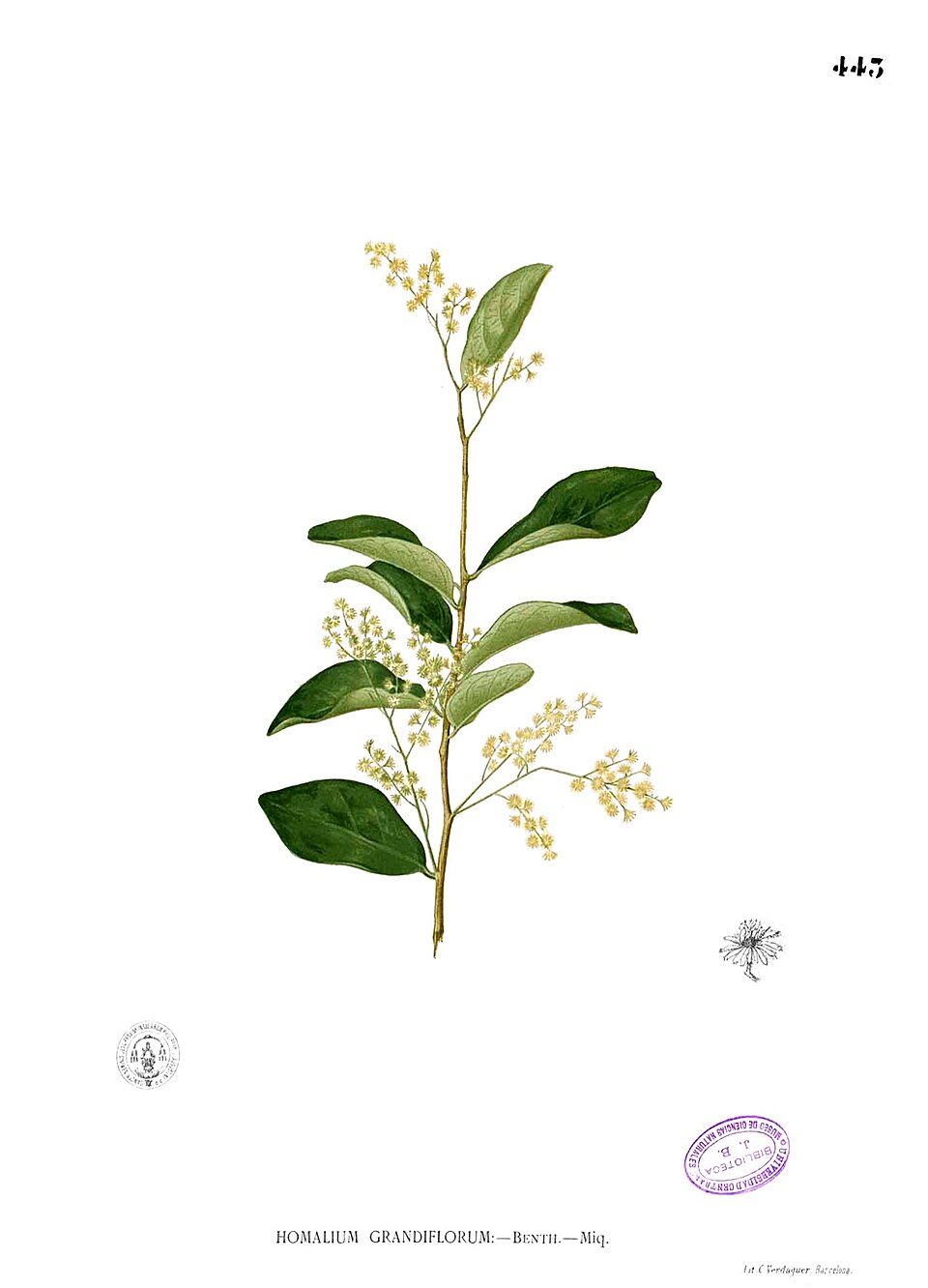
Homalium africanum
(Hook.f.) Benth.
iNaturalist· cc-by-nc
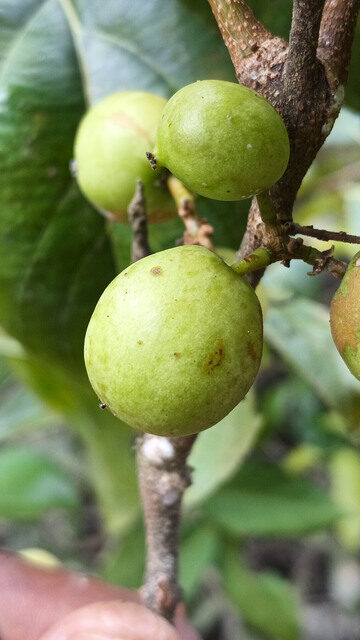
(c) Bart Wursten, some rights reserved (CC BY-NC), uploaded by Bart Wursten
iNaturalist· cc-by-nc
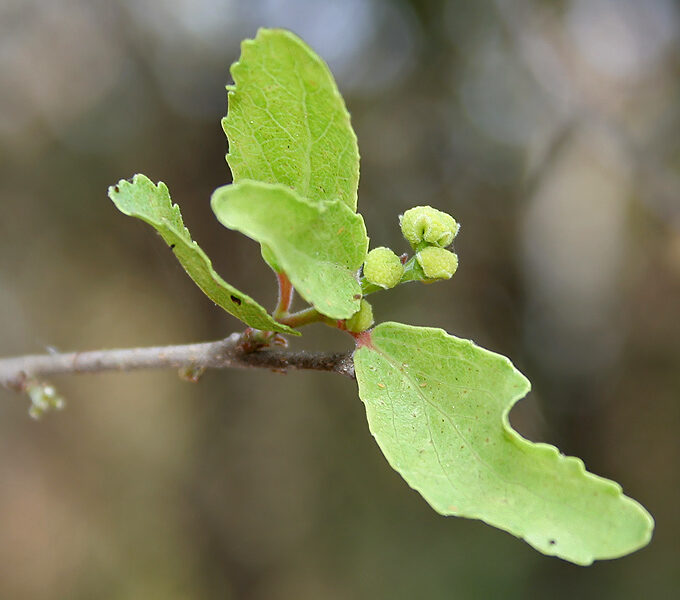
(c) Nicholas Wightman, some rights reserved (CC BY-NC)
Description
A tropical tree growing to about 10 meters tall, found in forest areas near rivers and in sunlit locations.
This description is brief — help expand it
Edible Uses
The fruit is edible.
Medicinal Uses
A trace of alkaloid has been detected in the bark and roots of material from Congo.
Distribution
It is a tropical plant. It grows in forests near rivers. It grows in areas exposed to sunlight.
Where It Grows
Africa, Angola, Central Africa, Central African Republic, CAR, Congo DR, Gabon, Guinea, Guinée, Nigeria, Mozambique, Sao Tome and Principe, West Africa,
Other Uses
The wood varies from brown to dull white, and is hard. It is used for yam stakes and is suitable for carpentry. We do not have any more information on the wood of this species. However, we have a general description of the wood for the tropical West African members of this genus, which is as follows:- The heartwood is yellowish-white, sometimes with darker stripes; it is not differentiated from the sapwood. The texture is fine; the grain straight or interlocked; lustre is dull. The wood is moderately durable, being fairly resistant to marine borer attack. It has good weathering properties. It is reported to require very careful seasoning. The wood is easy to saw, plane, and finish, but hardened cutters are required. Rapid blunting may occur due to the presence of silica; it has good steambending characteristics. The wood is used for purposes such as heavy construction, flooring, boatbuilding, railroad crossties, poles and piles.
Production
In Central African Republic flowers have been recorded January, May, October and November and fruit in October.
Synonyms
Also Known As
Tofiimbo, Toumbauma
References (1)
- Liengola, I. B., 2001, A contribution to the study of native edible plants by the Turumbu and Lokele of the Tshopo District, Province Orientale, D. R. Congo. Syst. Geogr. Pl. 71:687-698