Caulophyllum thalictroides
(L.) Michx.
Blue Cohosh, Papoose root, Squawroot, Blue ginseng
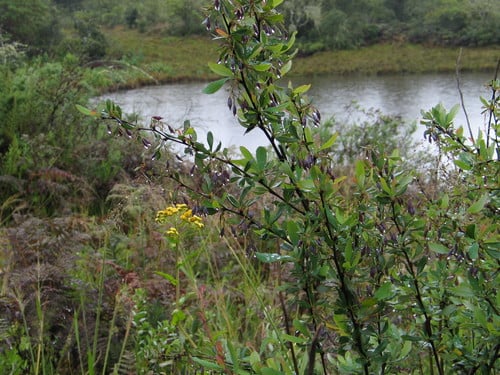
iNaturalist· cc-by
(c) Jason Hollinger, some rights reserved (CC BY)
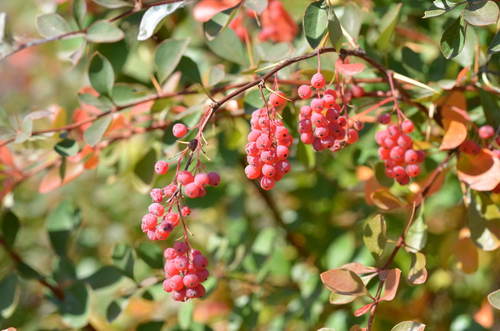
iNaturalist· cc-by-nc-sa
(c) monarda fistulosa, some rights reserved (CC BY-NC-SA)
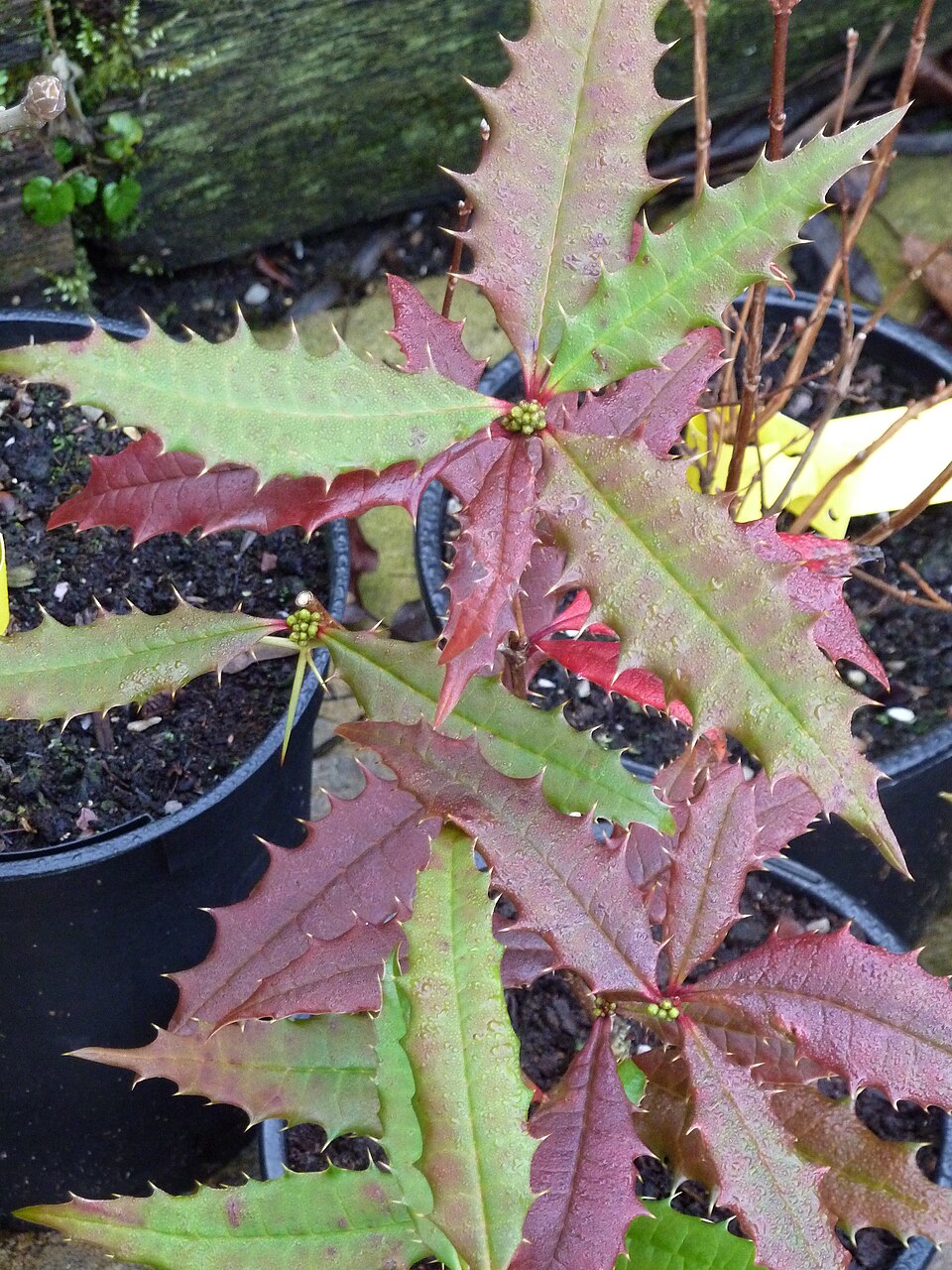
iNaturalist· cc-by-nc
(c) Brianne Nelson, some rights reserved (CC BY-NC), uploaded by Brianne Nelson
Summary
Source: WikipediaCaulophyllum thalictroides, the blue cohosh, is a species of flowering plant in the Berberidaceae (barberry) family. It is a medium-tall perennial with blue berry-like fruits and bluish-green foliage. The common name cohosh is probably from an Algonquian word meaning "rough". The Greek-derived genus name Caulophyllum signifies "stem-leaf", while the specific name thalictroides references the similarity between the large highly divided, multiple-compound leaves of meadow-rues (Thalictrum spp.) and those of blue cohosh.
Description
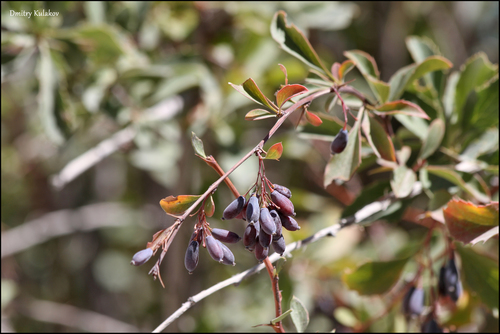
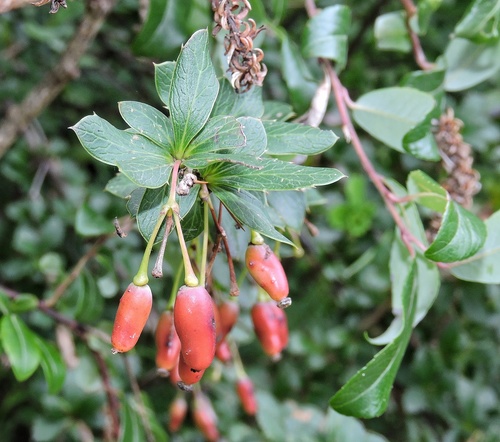
A herb. It grows 30-75 cm high. It has a matted rootstock with underground stems or rhizomes. It can spread widely. The leaves are compound. The flowers are star shaped and green to purple. They are 1 cm across. The fruit are deep blue berries.
Edible Uses
The roasted seeds make a reasonable coffee substitute. They are roughly the size of large peas, though the plant does not produce them in great abundance.
Traditional Uses
The seeds are roasted and used as a substitute for coffee. The large leaves are eaten after boiling. CAUTION: The fruit are claimed to be poisonous.
Medicinal Uses
Papoose root has a long history of use among North American Indian tribes, particularly to ease childbirth, and modern herbalists continue to regard it as a valuable herb for gynaecological conditions. It is an acrid, bitter, warming herb that stimulates the uterus, reduces inflammation, expels intestinal worms, and has diuretic effects. The root is anthelmintic, antispasmodic, diaphoretic, diuretic, emmenagogue, oxytocic, and sedative. An infusion of the root in warm water, taken for approximately 2 weeks before the expected birth date, is used to ease delivery. The same infusion can act as an emmenagogue and uterine stimulant, so women in earlier stages of pregnancy should use this plant with caution, as it can induce miscarriage or early delivery. It is also taken internally for pelvic inflammatory disease, rheumatism, and gout, but should not be prescribed to people with hypertension or heart disease. The powdered root can irritate mucous membranes, so use is best undertaken under the supervision of a qualified practitioner. Roots are normally harvested in autumn, when they are richest, and dried for later use. For homeopathic preparations, the root is harvested in early spring as new growth begins, and the remedy is used especially in childbirth and certain forms of rheumatism.
Known Hazards
When used in high doses as an abortifacient, symptoms similar to nicotine poisoning can occur. These are not limited to nausea and emesis, headache, dizziness, muscle fasciculations, tachycardia, tachypnea, hypertension seizure, and respiratory failure.
Distribution
It is a temperate plant. It grows best in moist, cool conditions. It grows in swamps and running streams. It is resistant to frost but sensitive to drought.
Where It Grows
Australia, Canada, North America*, USA,
Cultivation
Plants are grown from seed.
Propagation
Sow seed as soon as it is ripe in a shady part of a cold frame; if stored seed is used, sow it as soon as it is received, as germination can be erratic. Prick out seedlings once they are large enough to handle and grow them on in a shady greenhouse or cold frame for at least their first winter before planting out into permanent positions in autumn or early winter. Division can be done in spring or just after flowering, though plants are slow to increase.
Other Uses
None known.
Production
It is slow growing.
Other Information
It is cultivated.
Notes
The roots are used in medicine.
References (9)
- Bodkin, F., 1991, Encyclopedia Botanica. Cornstalk publishing, p 229
- Brickell, C. (Ed.), 1999, The Royal Horticultural Society A-Z Encyclopedia of Garden Plants. Convent Garden Books. p 238
- Brown, D., 2002, The Royal Horticultural Society encyclopedia of Herbs and their uses. DK Books. p 158
- Fl. bor.-amer. 1:205. 1803
- Kiple, K.F. & Ornelas, K.C., (eds), 2000, The Cambridge World History of Food. CUP p 1735
Show all 9 references Hide references
- MacKinnon, A., et al, 2009, Edible & Medicinal Plants of Canada. Lone Pine. p 176
- Ryan, S., 2008, Dicksonia. Rare Plants Manual. Hyland House. p 98
- Wiersema, J. H. & Leon, B., 2013, World Economic Plants. A Standard Reference CRC Press. 2nd Ed. p 154
- World Checklist of Useful Plant Species 2020. Royal Botanic Gardens, Kew