Incarvillea arguta
Royle
Himalayan gloxinia
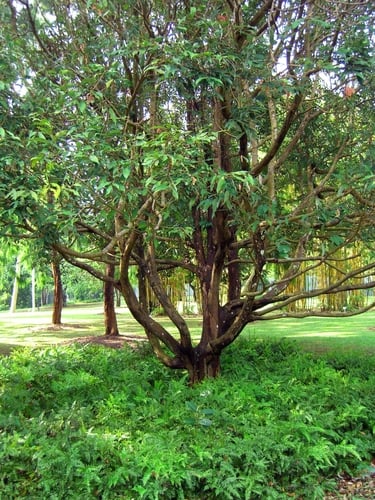
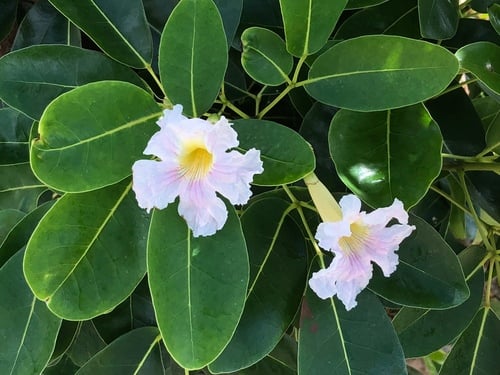
iNaturalist· cc-by
(c) Étienne Léveillé-Bourret, some rights reserved (CC BY), uploaded by Étienne Léveillé-Bourret
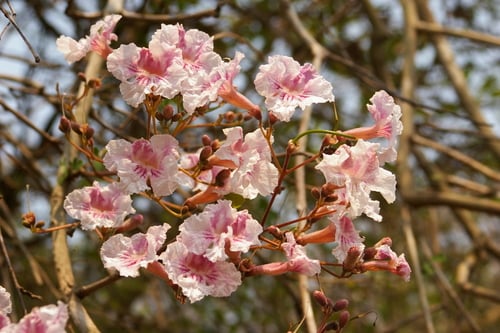
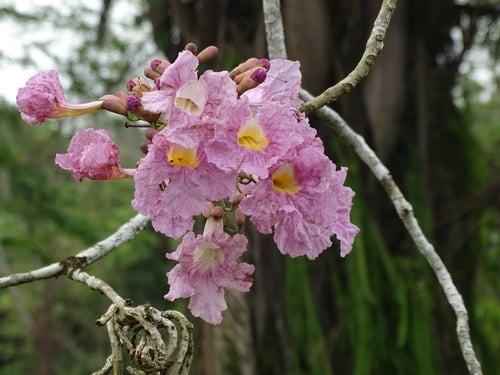
iNaturalist· cc-by-nc
(c) onidiras-iNaturalist, some rights reserved (CC BY-NC)
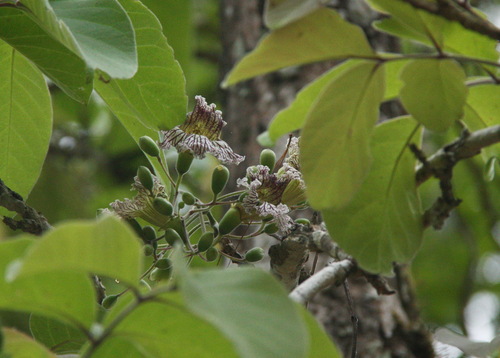
iNaturalist· cc-by-nc
(c) massivemosscharger, some rights reserved (CC BY-NC)
Description
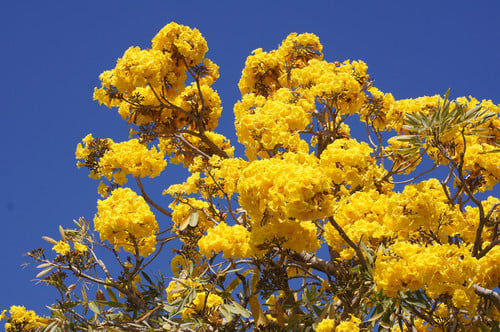
A herb. It keeps growing from year to year. It grows 1.5 m tall. The leaves are alternate and compound. They have 5-11 leaflets along the stalk. These are narrowly oval and 3-5 cm long by 2 cm wide. They are pale green underneath. The base is wedge shaped and unequal and there are teeth along the edge. The flowers are tube shaped and red.
Edible Uses
The pith is eaten raw as a snack in the field.
Traditional Uses
The pith is eaten raw as a snack in the fields.
This uses section is brief — help expand it
Medicinal Uses
Used medicinally.
Distribution
It is a tropical plant. It grows on slopes and in thickets in southern China between 1,400-2,700 m above sea level. In Sichuan and Yunnan. Hobart Botanical gardens.
Where It Grows
Asia, Australia, China, Himalayas, India, Nepal, Tibet, Tasmania,
Notes
Medicine.
Synonyms
References (2)
- Wang, J., et al, 2020, An ethnobotanical survey of wild edible plants used by the Yi people of Liangshan Prefecture, Sichuan Province, China. Journal of Ethnobiology and Ethnomedicine 16:10 p 6 (As Incarvillea diffusa)
- Weckerle, C. S., et al, 2006, Plant Knowledge of the Shuhi in the Hengduan Mountains, Southwest China. Economic Botany 60(1):2-23