Dioscorea daunea
Prain & Burkill
gbif· cc0
Royal Botanic Garden Edinburgh
gbif· cc0
Royal Botanic Garden Edinburgh
gbif· cc-by
Royal Botanic Gardens, Kew
Description
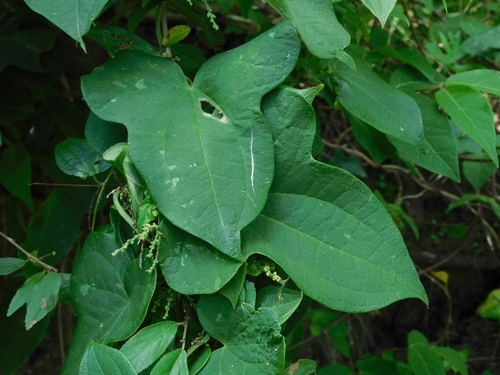
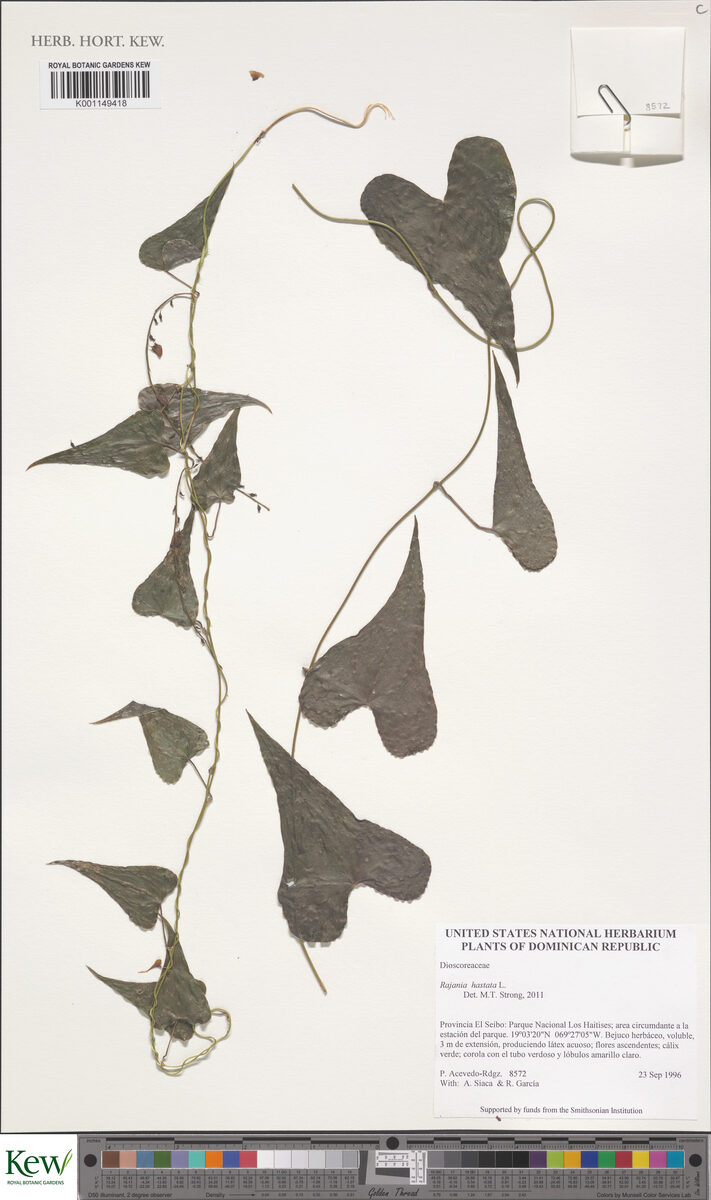
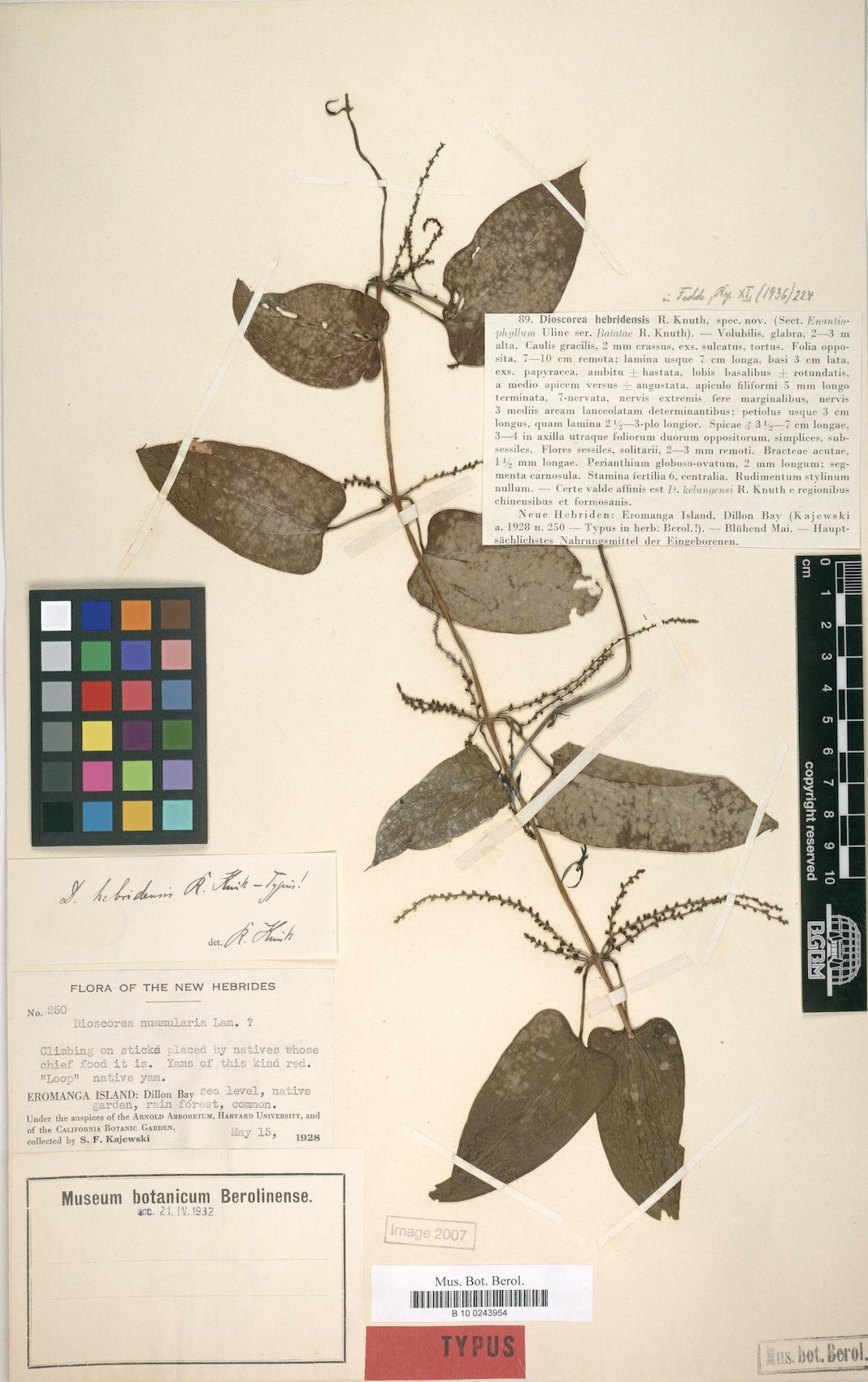
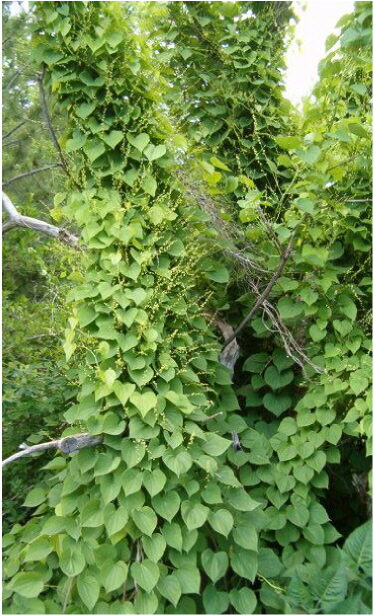
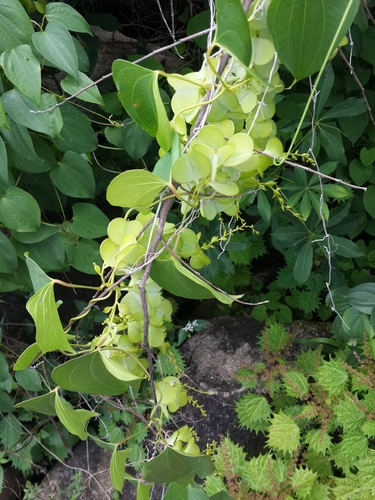
A yam. It is a robust climber. It can grow 25 m tall. The tubers occur as 2 or 3 together. They are 5-12 cm long by 2-3 cm wide. The stems are 3-7 mm across and twine to the left. The re-grow each year. The leaves are simple and alternate. The leaf blade is broadly oval to sword shaped. There can be bulbils in the axils of the leaves near the ground. The flowers hang down.
Edible Uses
The tubers are eaten after boiling and peeling, though they are bitter and require treatment before consumption. It serves as a famine food.
Traditional Uses
It is bitter. It needs treatment before eating. Some kinds are simply boiled, peeled and eaten.
This uses section is brief — help expand it
Known Hazards
The tubers are bitter and require treatment before eating.
Distribution
It is a tropical plant. It grows in forests in peninsula Thailand. It is often on limestone and near water. It grows between 20-1,400 m above sea level.
Where It Grows
Asia, Indochina, Myanmar, SE Asia, Thailand,
Other Information
It is a famine food.
Also Known As
Suna
References (3)
- Castillo, C., 2013, The Archaeobotany of Khao Sam Kaeo and Phu Khao Thong: The Agriculture of Late Prehistoric Southern Thailand. Ph. D. thesis University College, London p 378
- Lim, T. K., 2015, Edible Medicinal and Non Medicinal Plants. Volume 9, Modified Stems, Roots, Bulbs. Springer p 34
- Mareenoon, K. et al, 2008, Ethnobotany of Dioscorea L. (Dioscoreaceae), a Major Food Plant of the Sakai Tribe at Banthad Range, Peninsular Thailand. Ethnobotany Reaearch & Applications 6:385-394