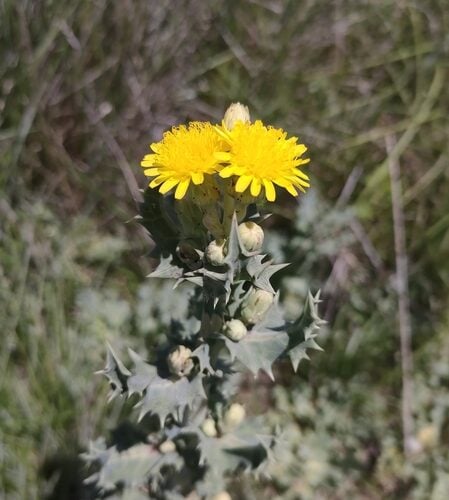
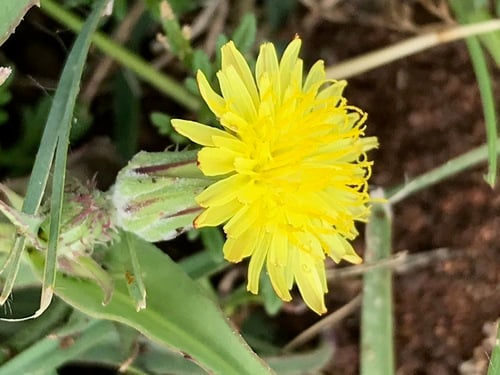
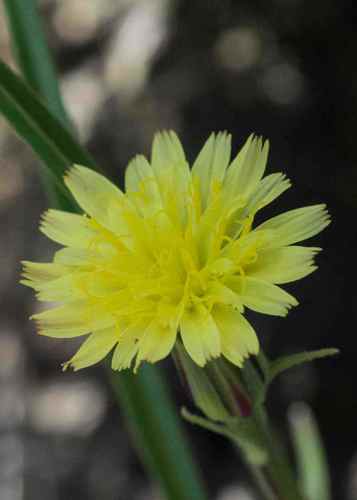
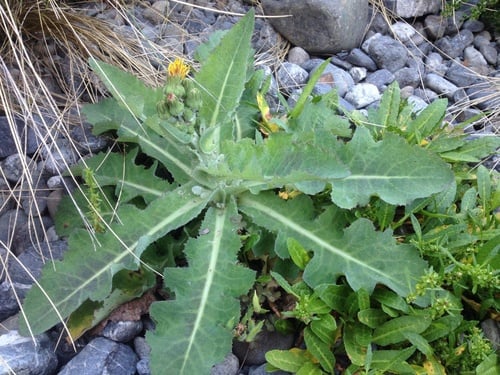
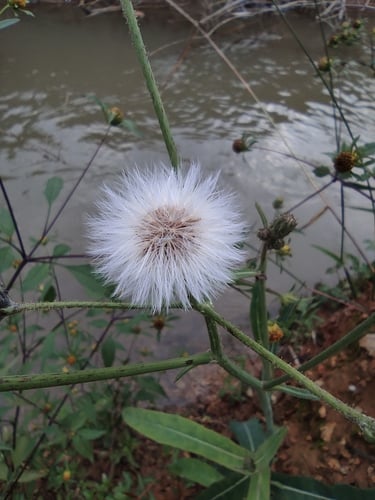
Cirsium oligophyllum
(Franch. & Sav.) Matsum.
iNaturalist· cc-by-sa
(c) E-190, some rights reserved (CC BY-SA)
iNaturalist· cc-by
(c) mami_t_t, some rights reserved (CC BY)
iNaturalist· cc-by-nc
(c) Werner Tueckmantel, some rights reserved (CC BY-NC)
Summary
A perennial thistle growing to 1 m tall, flowering August to October with concurrent seed ripening. Hermaphroditic, insect-pollinated, and self-fertile. Suitable for light, medium, or heavy soils with mildly acid to basic pH. Requires full sun and prefers moist soil.
Description
A herb. It is a thistle. It keeps growing from year to year. It grows 1 m tall.
This description is brief — help expand it
Edible Uses
Young leaves are cooked and can be added to soups or fried. The roots are slender with scarcely developed rhizomes; they are scraped into pieces, steeped in water, and preserved in miso. The root is likely rich in inulin, a starch the human body cannot digest, which passes straight through the digestive system and may ferment in some people, causing flatulence. Flower heads can be fried or used in salads.
Traditional Uses
The young leaves are eaten cooked. They are added to soups or fried. The roots are scraped and preserved in miso. The flower heads are fried or used in salads.
Medicinal Uses
None known.
Distribution
It is a temperate plant. It grows between 20-1,200 m above sea level. It can grow in a range of soils and with a range of acidities. It needs a sunny location. It is best in a moist soil.
Where It Grows
Asia, Japan,
Cultivation
Plants can be grown from seeds. Seeds take 2-8 weeks to germinate at 20°C. Plants can also be grown by division.
Propagation
Sow seed in early spring or autumn directly in situ. Germination typically occurs within 2–8 weeks at 20°C. Can also be propagated by division in spring or autumn.
Other Uses
The seeds of all thistle species yield a useful oil by expression. No details on potential yields are available.
References (1)
- Plants for a Future database, The Field, Penpol, Lostwithiel, Cornwall, PL22 0NG, UK. http://www.pfaf.org