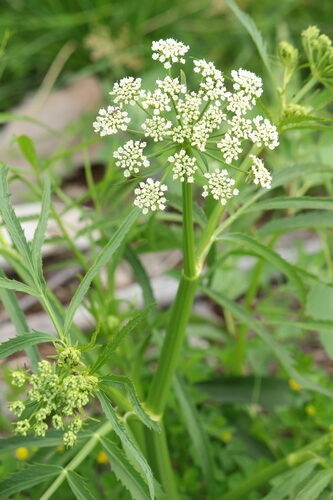
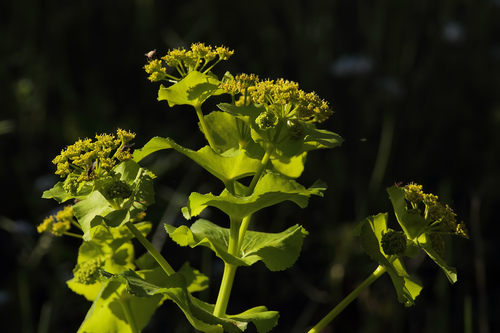
Thaspium trifoliatum
(L.) A. Gray
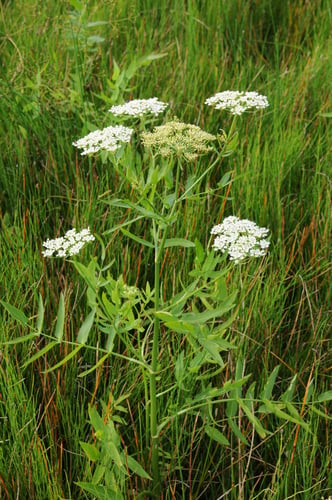
iNaturalist· cc-by
(c) hr_dragonfly, some rights reserved (CC BY), uploaded by hr_dragonfly
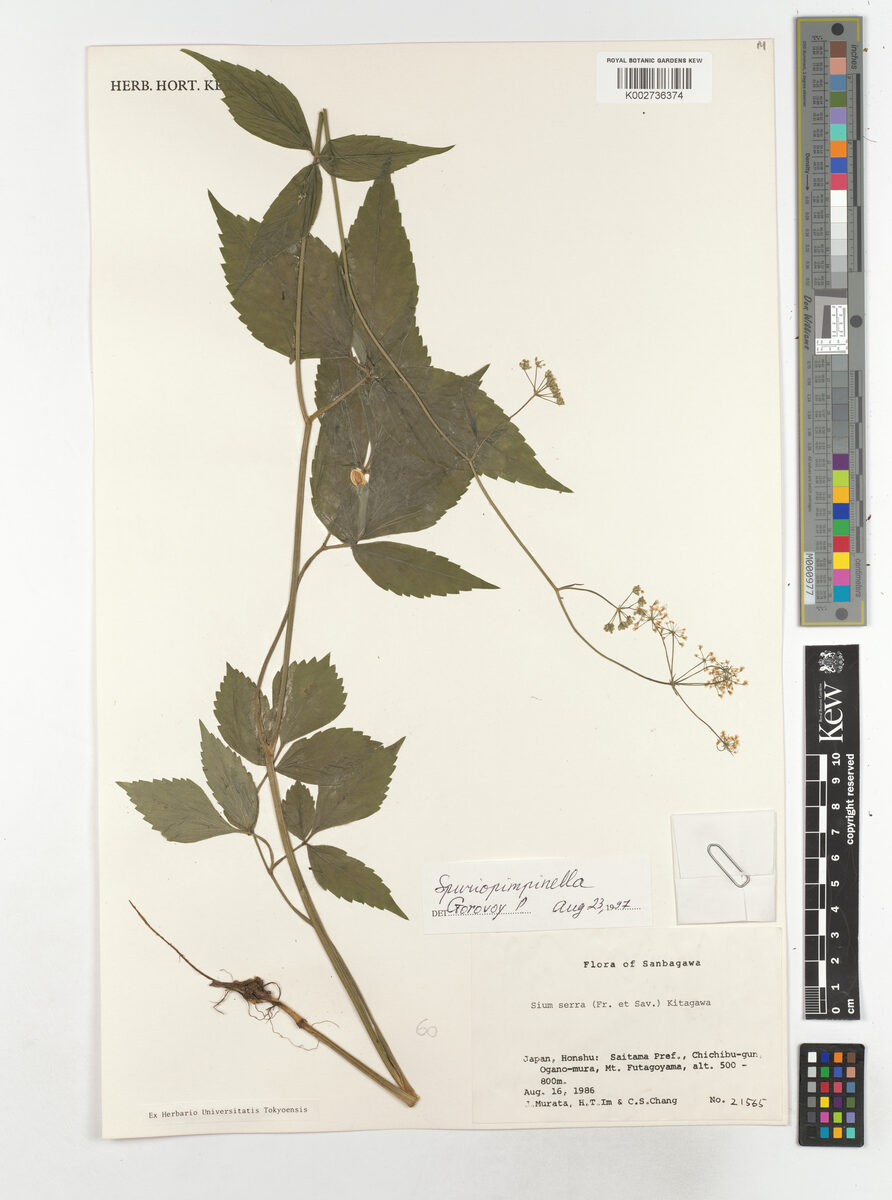
iNaturalist· cc-by-nc
(c) outdoorsie, some rights reserved (CC BY-NC)
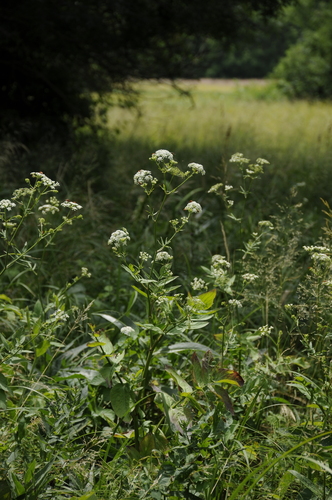
iNaturalist· cc-by-nc
(c) chrisco, some rights reserved (CC BY-NC), uploaded by chrisco
Summary
Source: WikipediaThaspium trifoliatum, commonly called meadow-parsnip or purple meadow-parsnip is a species of flowering plant in the carrot family (Apiaceae). It is native to eastern North America where it is found in many eastern U.S states (excluding the region of New England) and in Ontario, Canada. It has a broad natural habitat, which includes mesic to dry forests and woodlands, prairies, bluffs, and rock outcrops.
Description
Thaspium trifoliatum is a fast-growing perennial reaching 1.2 meters in both height and width. Hardy to UK zone 5, it tolerates light sandy, medium loamy, and heavy clay soils with good drainage across mildly acidic to basic pH ranges. The plant grows in semi-shade or full sun and adapts to both dry and moist conditions. It is noted for attracting wildlife.
Edible Uses
None known
Medicinal Uses
None known
Distribution
It is a temperate plant. It suits hardiness zone 4.
Where It Grows
USA,
Propagation
Seed
Other Uses
The plant provides shelter for insects and other arthropods, and supplies nectar and pollen for beneficial insects. The maroon flowers attract primarily flies and beetles, including dance flies (Empis loripedis). The caterpillars of two butterflies — the Black Swallowtail (Papilio polyxenes asterias) and the Ozark Swallowtail (Papilio joanae) — feed on the foliage. An aphid, Aphis thaspii, feeds by sucking juices from the flower umbels. The plant is well suited to woodland or native US plant gardens.
Synonyms
References (1)
- Jackes, D. A., 2007, Edible Forest Gardens