Prunus x jacquemontii
Afghan cherry
iNaturalist· cc-by-nc
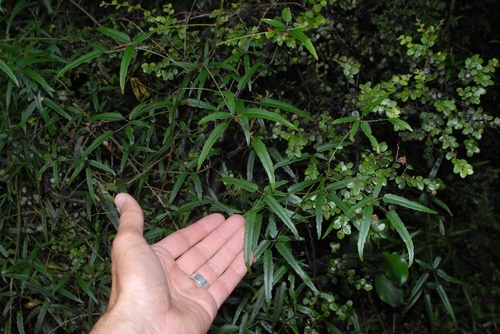
(c) jdfrei, some rights reserved (CC BY-NC)
iNaturalist· cc-by-nc
(c) jdfrei, some rights reserved (CC BY-NC)
iNaturalist· cc-by-nc
(c) jdfrei, some rights reserved (CC BY-NC)
Summary
A deciduous shrub reaching 1.5 m tall and wide at moderate growth rate. Hardy to UK zone 4. Self-fertile with insect-pollinated flowers. Noted for attracting wildlife. Tolerates light sandy, medium loamy, and heavy clay soils with good drainage. Requires neutral soil and full sun. Prefers consistently moist conditions.
Description
A shrub. It grows 1.5 m tall and spreads 1.5 m wide. The fruit are red and oval and 10-15 mm across.
This description is brief — help expand it
Edible Uses
The red, ovoid fruit is around 10–15mm in diameter, juicy, and can be eaten raw or cooked. Fruits of this group are notably fleshy, juicy and pleasant in taste. The seed can also be eaten raw or cooked — avoid it if it tastes too bitter.
Traditional Uses
The fruit are eaten raw or cooked.
This uses section is brief — help expand it
Medicinal Uses
No specific medicinal uses have been recorded for this species, but like all members of the genus it contains amygdalin and prunasin, compounds that break down in water to release hydrocyanic acid (prussic acid). In small amounts this highly toxic compound can stimulate respiration, aid digestion and produce a sense of well-being.
Known Hazards
The plant (especially the seed and young shoots) contains cyanogenic glycosides, especially amygdalin and prunasin. When injested, these compounds break down in the digestive tract to release cyanide. Used in small quantities in both traditional and conventional medicine, this exceedingly poisonous compound has been shown to stimulate respiration, improve digestion, and promote a sense of well-being. It is also claimed by some to be of benefit in the treatment of cancer - though this claim has been largely refuted. In larger concentrations, however, cyanide can cause gasping, weakness, excitement, pupil dilation, spasms, convulsions, coma and respiratory failure leading to death. The fruits and flowers of most members of this genus generally have low or very low concentrations of this toxin, though the seeds and young shoots can contain much higher levels. The levels of toxin can be detected by the level of bitterness:- for example sweet tasting almond seeds are a major food crop and are often eaten in quantity, whilst bitter tasting almond seeds are used as a flavouring (in marzipan for example) but are not usually eaten on their own. In general, it can be considered safe to eat any fruit or seed from species in this genus that either have a sweet flavour or are slightly bitter. Great caution should be taken, however, if the flavour is moderately to very bitter.
Distribution
It is a temperate plant. It suits hardiness zones 3-8.
Where It Grows
Afghanistan, Asia, India, Pakistan, Tajikistan, USA,
Cultivation
Requires a dry, sunny position. Thrives in a well-drained moisture-retentive loamy soil. Prefers some lime in the soil but is likely to become chlorotic if too much lime is present. Established plants are very drought tolerant. The plant produces new shoots over 30cm long during a season - these are then well furnished with flowers towards the middle of the following spring. Most members of this genus are shallow-rooted and will produce suckers if the roots are damaged. Plants in this genus are notably susceptible to honey fungus. Harvesting typically occurs in late summer to early autumn, with specific timing varying by species. For instance, plums and peaches are usually harvested from July to September (Northern Hemisphere), while almonds are harvested in August to September (Northern Hemisphere). Prunus species usually flower in early spring, often between March and April (Northern Hemisphere), depending on the species and local climate. Growth rates vary among species, but generally, Prunus trees can grow moderately fast and often reach full height in 3 to 5 years. However, depending on the species and growing conditions, they may take several years to bear fruit. Some Prunus species (like many plums and almonds) are self-fertile, while others (like sweet cherries and certain apricots) require cross-pollination with another compatible variety for optimal fruit set.
Propagation
Seed requires 2–3 months of cold stratification and is best sown in a cold frame as soon as it is ripe. Stored seed should be sown in a cold frame as early in the year as possible, with protection from mice. Germination can be slow, sometimes taking up to 18 months. Prick seedlings out into individual pots when large enough to handle, overwinter in a greenhouse or cold frame, and plant out in late spring or early summer the following year. Cuttings of half-ripe wood with a heel can be taken in mid-summer in a frame. Softwood cuttings from vigorous plants can be taken in spring to early summer in a frame. Layering can be done in spring.
Other Uses
A green dye can be obtained from the leaves. A dark grey to green dye can be obtained from the fruit. Species in this group show considerable drought resistance, making them potentially useful as rootstocks for cultivated cherry varieties in non-irrigated growing areas, and as a source of drought-resistant traits when crossed with cultivated strains.
Synonyms
Also Known As
Bush Cherry, Afghan Bush Cherry, Prunus jacquemontii.
References (2)
- Ferns, Plants For A Future
- Jackes, D. A., 2007, Edible Forest Gardens