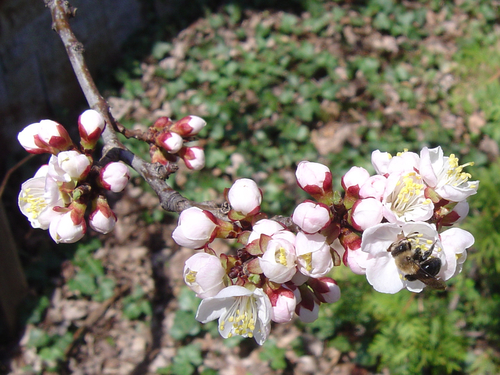
Rubus assamensis
Focke
Fikteging
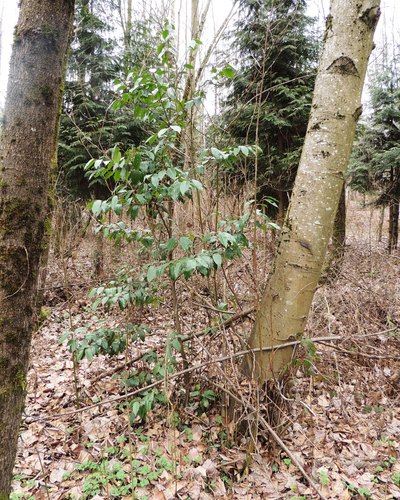
iNaturalist· cc-by-nc
(c) Shiqi Zhou, some rights reserved (CC BY-NC), uploaded by Shiqi Zhou
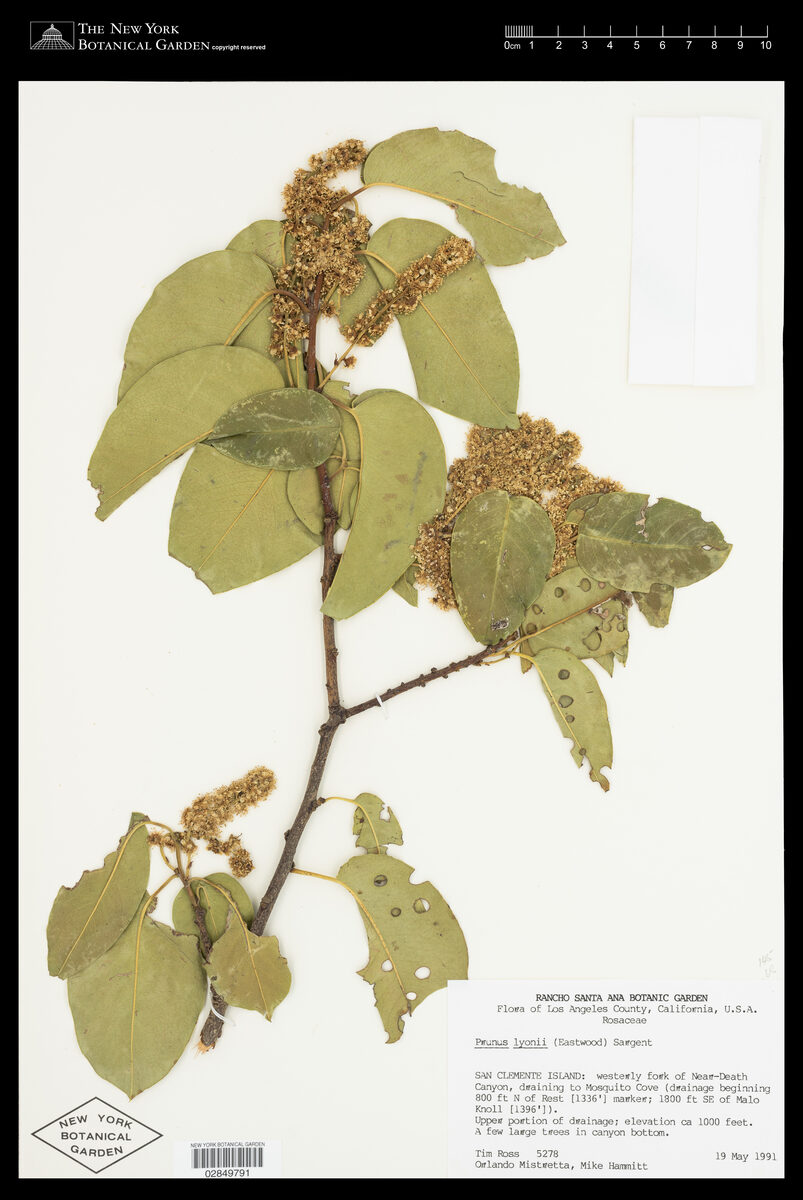
iNaturalist· cc-by-nc
(c) Shiqi Zhou, some rights reserved (CC BY-NC), uploaded by Shiqi Zhou
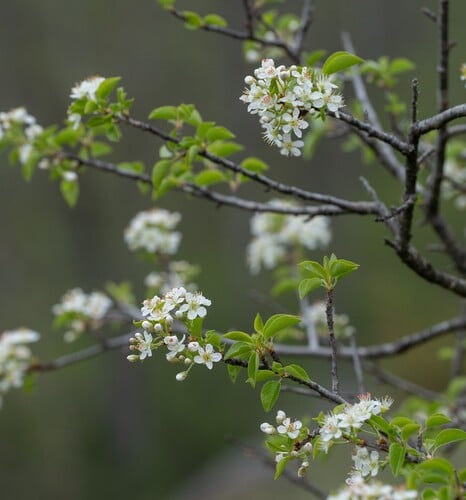
iNaturalist· cc-by-nc
(c) Shiqi Zhou, some rights reserved (CC BY-NC), uploaded by Shiqi Zhou
Description
A climbing shrub. It has small curved prickles. The leaves are simple with lobes. They are 6-11 cm long by 4-6 cm wide. There are many flowers in a group in the axils of leaves or at the ends of branches. They are white. The fruit is aggregate and red but turning black when ripe. They are 8 mm across.
Traditional Uses
The ripe fruit are eaten fresh.
This uses section is brief — help expand it
Distribution
It is a subtropical plant. In southern China it grows on the edges of forests between 1,400-3,000 m above sea level. It grows in Sichuan and Yunnan in China.
Where It Grows
Asia, China, India, Indochia, Myanmar, Northeastern India, SE Asia, Tibet, Vietnam,
Production
In Yunnan fruit are available in August and September.
Notes
There are about 250 Rubus species.
Dangerous Lookalikes
This plant can be confused with the following toxic species. Always verify identification carefully before consuming any wild plant.
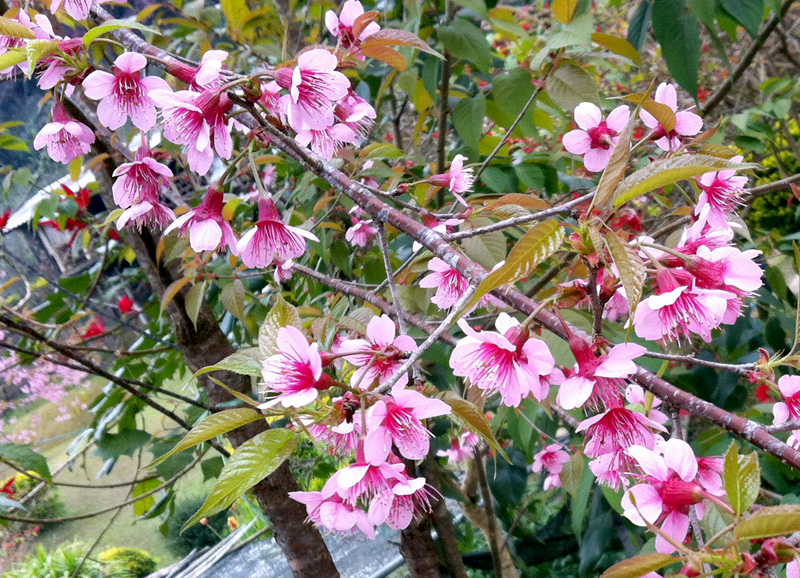
Red Baneberry
Actaea rubra
Walter Siegmund (talk)
Fikteging
Rubus assamensis
(c) Shiqi Zhou, some rights reserved (CC BY-NC), uploaded by Shiqi Zhou
Red Baneberry: Short herbaceous plant (no thorns), berries on thick red stems, each berry has a single seed, compound sharply-toothed leaves.
Fikteging: Thorny woody canes (brambles), aggregate berry made of many drupelets, berries pull easily from receptacle.
Also Known As
Chyaga, Dum Assam, Hongpai, Retsu, Yogde
References (9)
- Abh. Naturwiss. Vereine Bremen 4:197. 1874
- Altschul, S.V.R., 1973, Drugs and Foods from Little-known Plants. Notes in Harvard University Herbaria. Harvard Univ. Press. Massachusetts. no. 1426
- Dobriyal, M. J. R. & Dobriyal, R., 2014, Non Wood Forest Produce an Option for Ethnic Food and Nutritional Security in India. Int. J. of Usuf. Mngt. 15(1):17-37
- Flora of China @ efloras.org Volume 9
- Ju, Y., et al, 2013, Eating from the wild: diversity of wild edible plants used by Tibetans in Shangri-la region, Yunnan, China, Journal of Ethnobiology and Ethno medicine 9:28
Show all 9 references Hide references
- Singh, V. B., et al, (Ed.) Horticulture for Sustainable Income and Environmental Protection. Vol. 1 p 219
- Srivastava, R. C., 2010, Traditional knowledge of Nyishi (Daffla) tribe of Arunachal Pradesh. Indian Journal of Traditional Knowledge. 9(1):26-37
- Thothathri, K., & Pal, G.D., 1987, Further Contribution to the Ethnobotany of Subansiri District, Aranchal Pradesh. J. Econ. Tax. Bot. Vol. 10 No. 1 pp 149-157
- Tsering, J., et al, 2017, Ethnobotanical appraisal on wild edible plants used by the Monpa community of Arunchal Pradesh. Indian Journal of Traditional Knowledge. Vol 16(4), October 2017, pp 626-637