Petasites japonicus subsp. giganteus
F. Schmidt ex Kitam.
gbif· cc-by-sa
GBIF
gbif· cc-by-sa
GBIF
gbif· cc-by-sa
Joni Haring
Summary
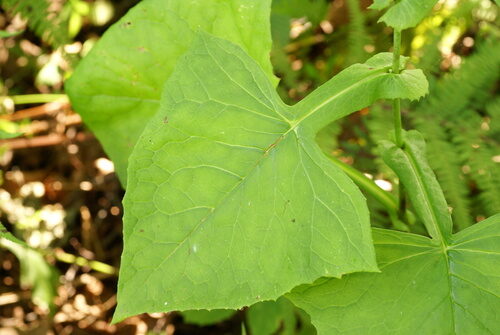
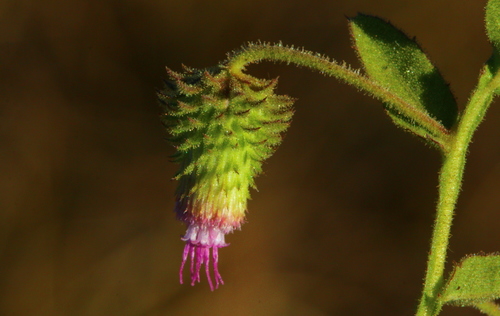
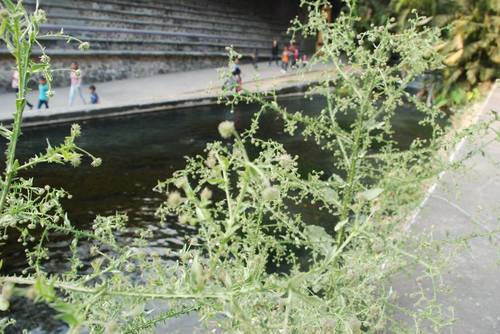
Source: WikipediaPetasites japonicus, also known as butterbur, giant butterbur, great butterbur, fuki and sweet-coltsfoot, is an herbaceous perennial plant in the family Asteraceae. It is native to China, Japan, Korea and Sakhalin and introduced in Europe and North America. It was introduced to southern British Columbia in Canada by Japanese migrants. It is dioecious, with male and female flowers produced on separate individuals. Occasionally, morphologically hermaphroditic (but functionally sterile) flowers exist.
Description
A herb.
This description is brief — help expand it
Edible Uses
The traditional preparation method for this vegetable involves pre-treating with ash or baking soda and soaking in water to remove harshness (astringency), which is a technique known as aku-nuki (灰汁抜き; literally "harshness removal"). The shoot can be chopped and stir fried with miso to make fuki-miso which is eaten as a relish thinly spread over hot rice at meals. The bulb-like shoots are also picked fresh and fried as tempura. In Korea, it is steamed or boiled and then pressed to remove water. Sesame oil or perilla oil is added in order to make namul.
Traditional Uses
USA,
This uses section is brief — help expand it
Known Hazards
Like other Petasites species, fuki contains pyrrolizidine alkaloids (PAs) which have been associated with cumulative damage to the liver and tumor formation. It also contains the carcinogenic PA petasitenine. The concentration of hepatotoxic PAs can be reduced to a concentration below detection limits with a proper extraction process. Since many alkaloids are bitter, traditional methods of preparation may have evolved to remove them.
Distribution
It is a temperate plant. It suits hardiness zones 5-9.
Synonyms
References (2)
- Jackes, D. A., Edible Forest Gardens
- Lim, T. K., Edible Medicinal and Non-Medicinal Plants Volume 7 Flowers