Illicium floridanum
J. Ellis
Purple anise, Florida star anise
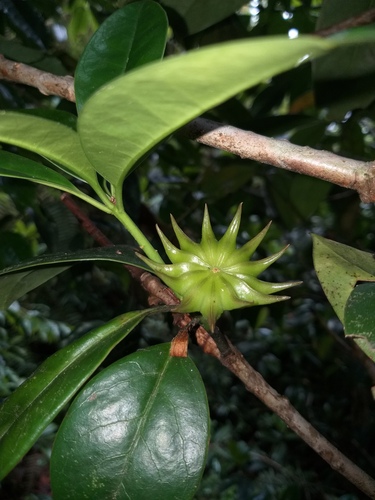
iNaturalist· cc-by-nc
(c) Logan Crees, some rights reserved (CC BY-NC), uploaded by Logan Crees
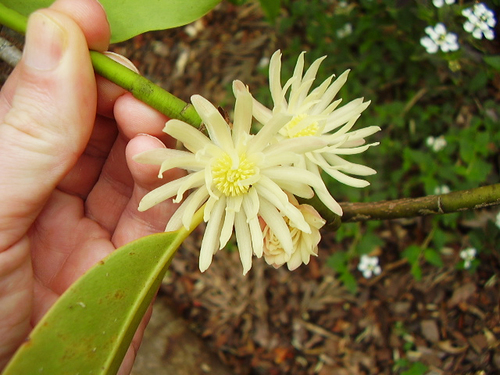
iNaturalist· cc-by-nc
(c) Moses J. Michelsohn, some rights reserved (CC BY-NC), uploaded by Moses J. Michelsohn
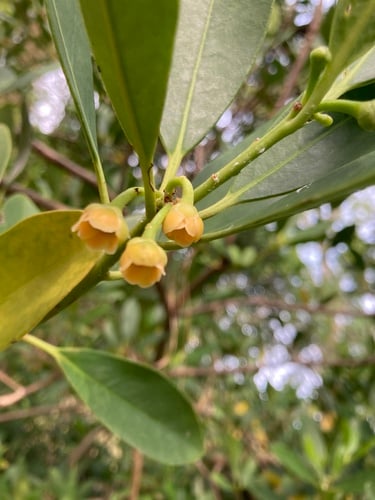
iNaturalist· cc-by
(c) Lauren McLaurin, some rights reserved (CC BY), uploaded by Lauren McLaurin
Summary
Source: WikipediaIllicium floridanum (also known as purple anise, Florida anise, stink-bush, or star-anise) is an evergreen shrub native to the Gulf Coast area of the Southern United States, from Florida to Louisiana.
Description
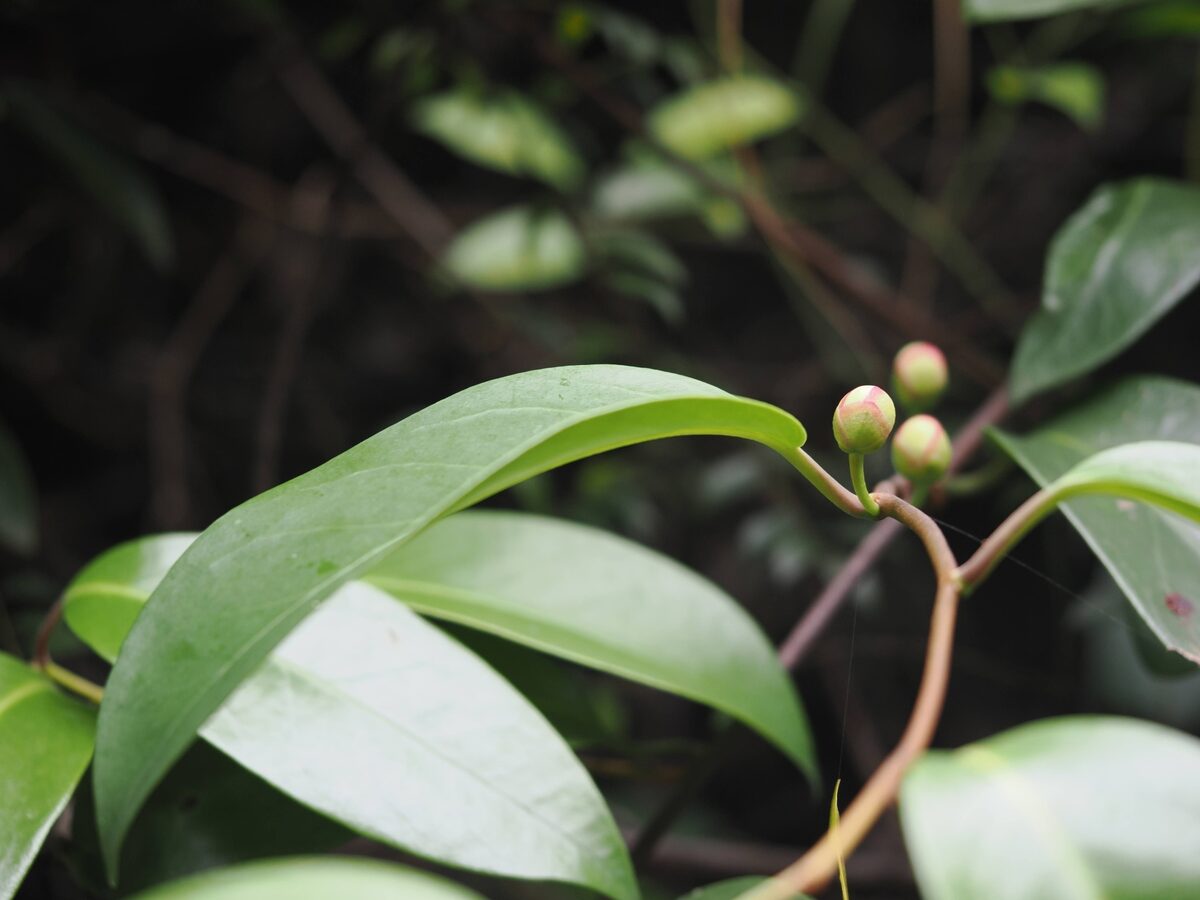
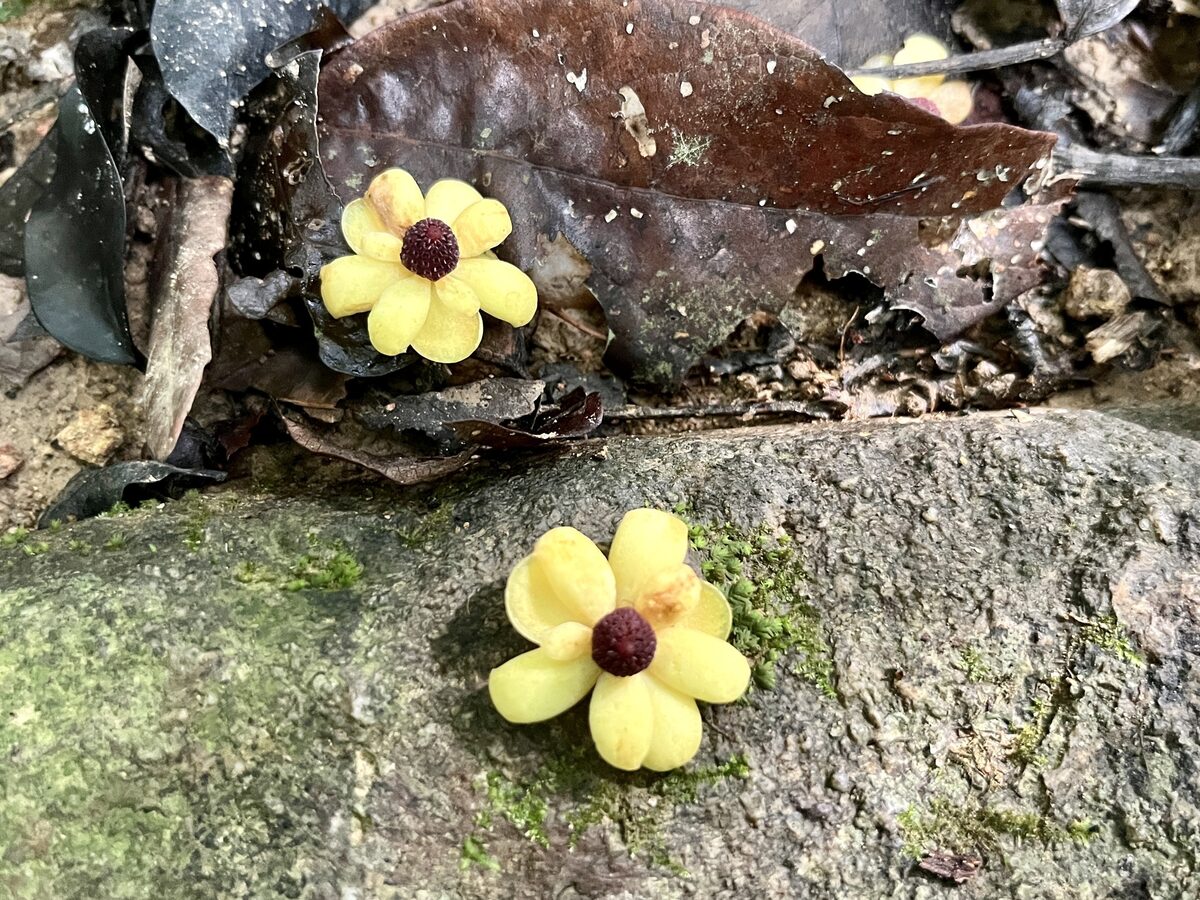
An evergreen shrub. It grows 2 m tall. The flowers are red. The seed pods are star shaped.
This description is brief — help expand it
Edible Uses
The plant is said to be used as a spice, though no further details are given. The leaves have a strong aroma of aniseed.
Medicinal Uses
None known
Known Hazards
Although no mention of toxicity has been seen for this species, at least one other member of the genus has a fruit that is poisonous in quantity.
Distribution
It is a temperate plant. It suits hardiness zones 7-9. Arboretum Tasmania.
Where It Grows
Australia, Britain, Europe, Mexico, North America, Tasmania, USA,
Cultivation
Prefers a light, moist well-drained loam and a sheltered position Prefers a humus-rich lime-free soil. A plant of woodland shade in its native habitat, in the less sunny British climate it succeeds in sun or semi-shade. This species is not very cold-hardy, it tolerates temperatures down to between -5 and -10°c, only succeeding outdoors in the mildest areas of Britain. A slow-growing tree, the whole plant is very aromatic. The bruised leaves have a strong scent of aniseed, whilst the flowers have a powerful spicy odour. Suckers can spring up at some distance from the parent plant. An evergreen. A clumping plant, forming a colony from shoots away from the crown but with a limited spread.
Propagation
Seed does not require pre-treatment and can be sown in early spring in a greenhouse. Prick out seedlings into individual pots when large enough to handle and grow on in the greenhouse for at least the first winter. Plant out in late spring or early summer after the last expected frosts, with some cold protection for the first year or two. Layering in early spring takes 18 months. Cuttings of half-ripe wood taken in August in a frame should be potted up once rooting begins and grown on in the greenhouse through their first winter, then planted out after the last expected frosts. Suckers are sometimes produced at some distance from the parent plant; these can be potted up in early spring, grown on for a year and then planted into permanent positions.
Other Uses
None known.
Notes
Also put in the family Illiciaceae.
Synonyms
Also Known As
Aniseed tree
References (3)
- Jackes, D. A., Edible Forest Gardens
- Kermath, B. M., et al, 2014, Food Plants in the Americas: A survey of the domesticated, cultivated and wild plants used for Human food in North, Central and South America and the Caribbean. On line draft. p 434
- Seidemann J., 2005, World Spice Plants. Economic Usage, Botany, Taxonomy. Springer. p 183