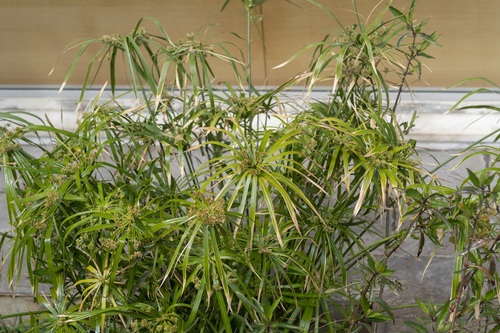
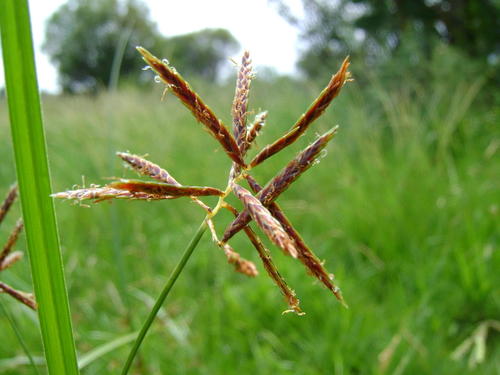
Carex pensylvanica
Lam.
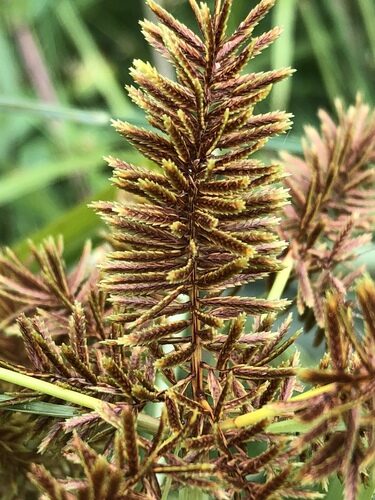
iNaturalist· cc-by-nc
(c) Matt Flower, some rights reserved (CC BY-NC), uploaded by Matt Flower
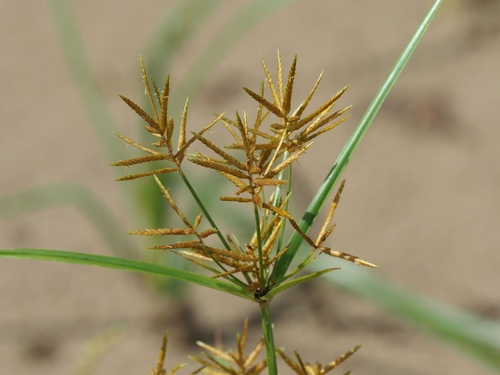
iNaturalist· cc-by
(c) Evan M. Raskin, some rights reserved (CC BY)
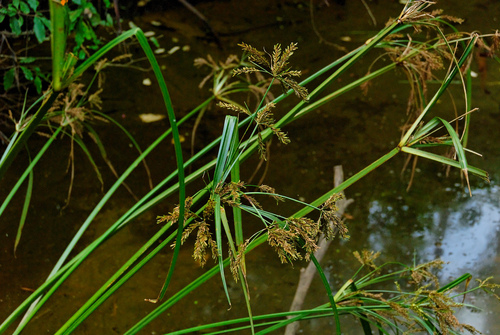
iNaturalist· cc-by
(c) Evan M. Raskin, some rights reserved (CC BY)
Summary
Source: WikipediaCarex pensylvanica is a species of flowering plant in the sedge family commonly called Pennsylvania sedge (sometimes shortened to Penn sedge). Other common names include early sedge, common oak sedge, and yellow sedge.
Description
A sedge. It has spreading underground stems or rhizomes. They are reddish brown. The stems are 10-45 cm long. The leaves are 0.5-3.6 mm wide.
This description is brief — help expand it
Edible Uses
No edible uses are known for this plant.
Medicinal Uses
No medicinal uses are known for this plant.
Distribution
It is a temperate plant. It grows in hardiness zones 4-8.
Where It Grows
USA,
Cultivation
Easily grown in average, dry to medium, well-drained soils in part shade to full shade. Prefers loose loams in dry soils in sun-dappled part shade. Most sedges prefer moist to wet soils, but not this one. Plants spread by rhizomes. Plants may self-seed in optimum growing conditions. Soil pH: 4.0 - 8.0. Drought: Tolerant. Flood: Moderate. Salt: Moderate. Soil Compaction: Intolerant. Mowing: Tolerant. Does not compete well with larger plants in full sun. Competes well in moderate to deep shade. Can form dense mats. Makes one of the earliest spring appearances of the Carices. Life Span:Long-Lived Perennial. Stand Persistence:Long. Form: Clump.. An evergreen. In garden design, as well as the above-ground architecture of a plant, root structure considerations help in choosing plants that work together for their optimal soil requirements including nutrients and water. The predictable growth behaviour makes it easier to maintain without having to apply containment methods.
Propagation
Plants spread by rhizomes and may self-seed under optimum growing conditions. This species often does not grow well from seed.
Other Uses
Carex pensylvanica is well suited to soil stabilization, readily colonizing disturbed sites and controlling erosion. It works effectively as a groundcover for dry shade and as an underplanting for shade perennials. As a lawn substitute for dry, shady areas, it can be left unmowed or mowed just 2–3 times per year to 2" tall. The leaves are soft and fine-textured with an arching habit, and the plant shows moderate salt tolerance. It provides cover for migratory fowl, sandhill cranes, and ducks, which also use the leaves as nesting material; sharptail grouse and prairie chickens use it for nesting, cover, and dancing grounds.
Synonyms
Also Known As
Pennsylvania sedge, Penn sedge.Early sedge, Common oak sedge, Yellow sedge, Oak Sedge.
References (1)
- Jackes, D. A., Edible Forest Gardens