Arnebia benthamii
(Wall. ex G. Don) I. M. Johnst
Himalayan arnebia
iNaturalist· cc-by-nc
(c) Mahi Puri, some rights reserved (CC BY-NC)
iNaturalist· cc-by-nc
(c) Mahi Puri, some rights reserved (CC BY-NC)
iNaturalist· cc-by-nc
(c) Jasmine Star Outdoor Photography, some rights reserved (CC BY-NC)
Summary
Arnebia benthamii is a perennial growing to 0.9 m tall. Hardy to UK zone 7. Flowers in May. Hermaphrodite flowers are pollinated by insects. Requires light sandy well-drained soil that is nutritionally poor, with mildly acid, neutral, or basic pH. Cannot tolerate shade and adapts to dry or moist conditions.
Description
A herb. It keeps growing from year to year. It grows 60-90 cm tall. It is hairy. The leaves are narrow and sword like. The flowers are purple in spikes. There are longer grey hairy bracts.
Edible Uses
None known
Traditional Uses
The roots are used to give a red colour and flavour to foods. It is also a medicine.
This uses section is brief — help expand it
Medicinal Uses
Cardiac Febrifuge Miscellany Cardiac and febrifuge. The plant is considered to be useful in the treatment of diseases of the tongue and throat.
Distribution
It grows in cold arid places. In the Himalayas it grows between 3,000-4,300 m above sea level. It needs to be in a sunny position in well-drained soil. It suits hardiness zones 6-9.
Where It Grows
Asia, Himalayas, India, Nepal, Pakistan,
Cultivation
Plants are grown from seeds.
Propagation
Seed - sow spring in a greenhouse. Germination usually takes place within 2 - 8 weeks at 20°c. When large enough to handle, prick the seedlings out into individual pots and grow them on in the greenhouse for their first winter. Plant out in late spring or early summer, after the last expected frosts. It is best to harvest the seed when it is slightly under-ripe, since it is quickly dispersed when ripe. Cuttings with a heel in the autumn in sand in a cold frame. Root cuttings in sand in a frame during the winter.
Other Uses
Miscellany None known Special Uses
Notes
It is used in medicine. It is an over harvested and at risk plant.
Synonyms
Also Known As
Kang, Mahaarangee, Ulte bhurkesh
References (1)
- Rana, J.C. et al, 2011, Genetic resources of wild edible plants and their uses among tribal communities of cold arid regions of India. Genetic Resources and Crop Evolution. 59:135-149
More from Boraginaceae
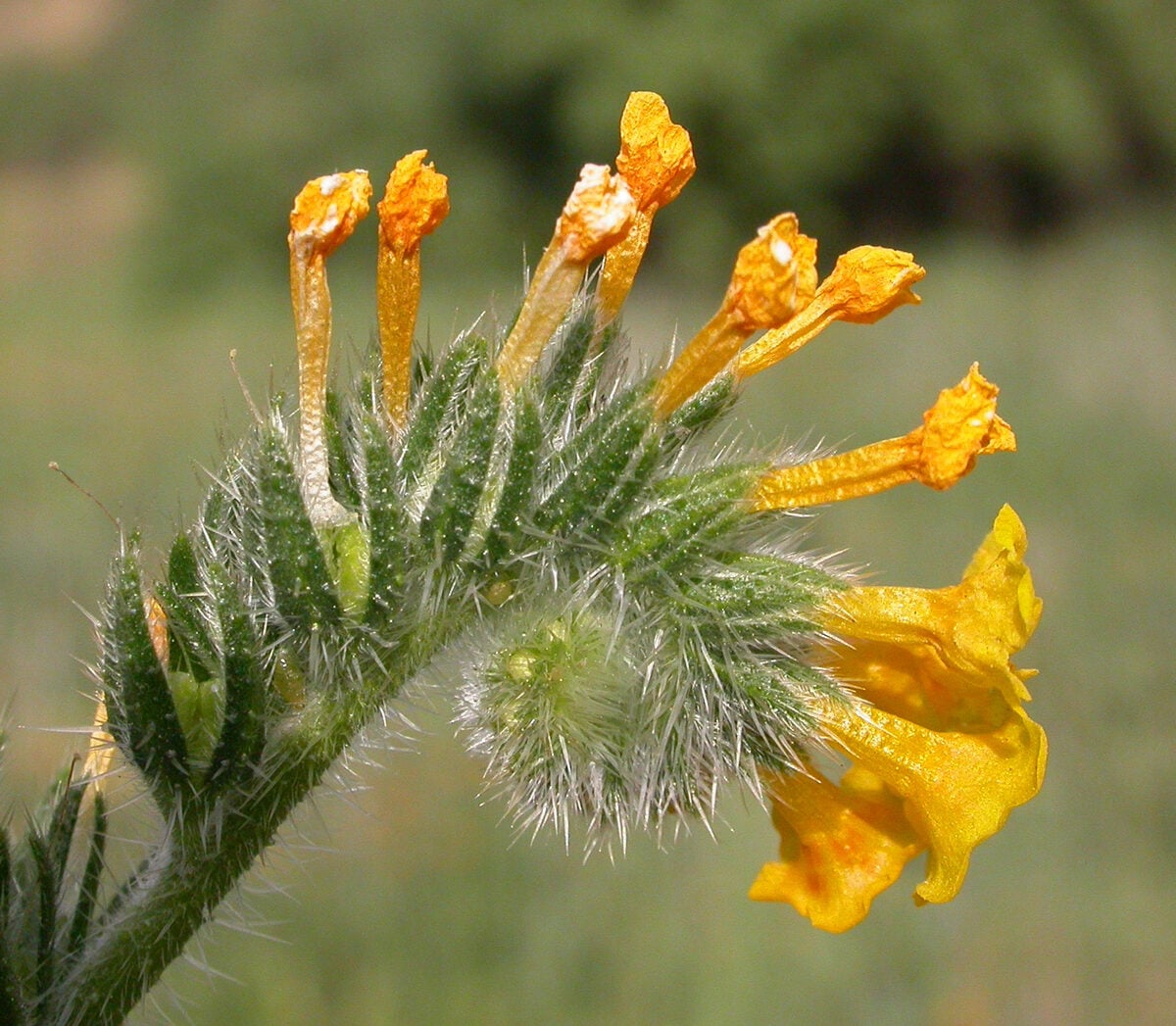
Amsinckia menziesii
Menzies fiddleneck
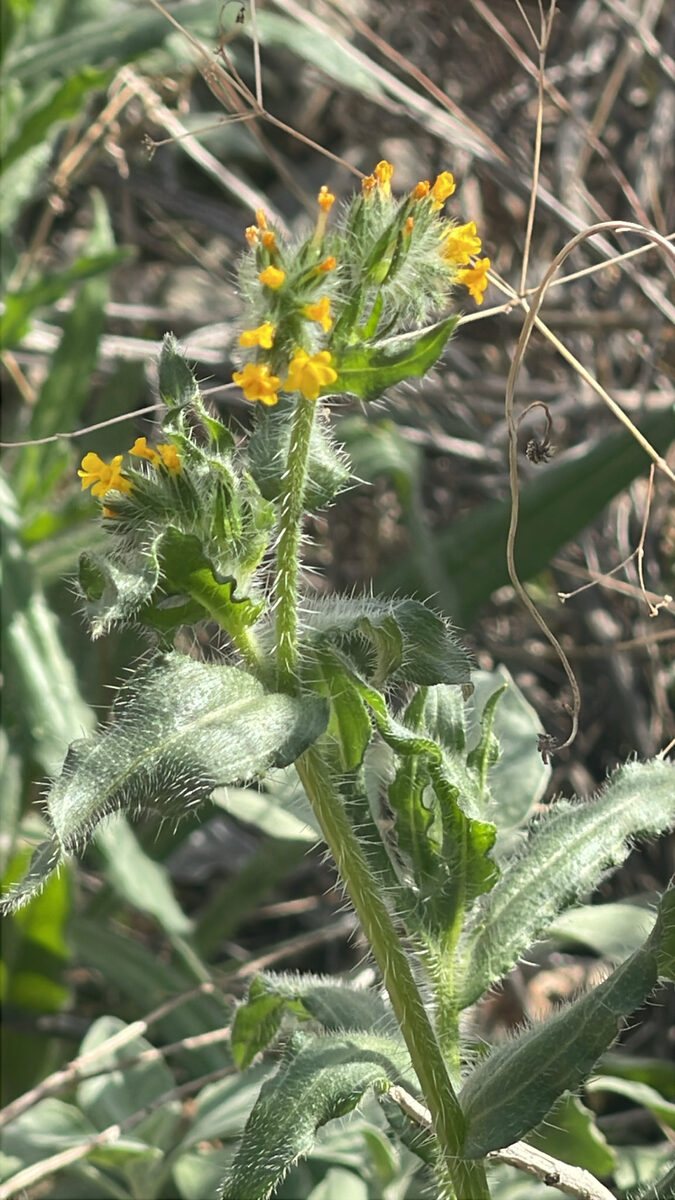
Amsinckia menziesii var. intermedia - (Fisch. & C.A.Mey.) ined.
Common Fiddleneck
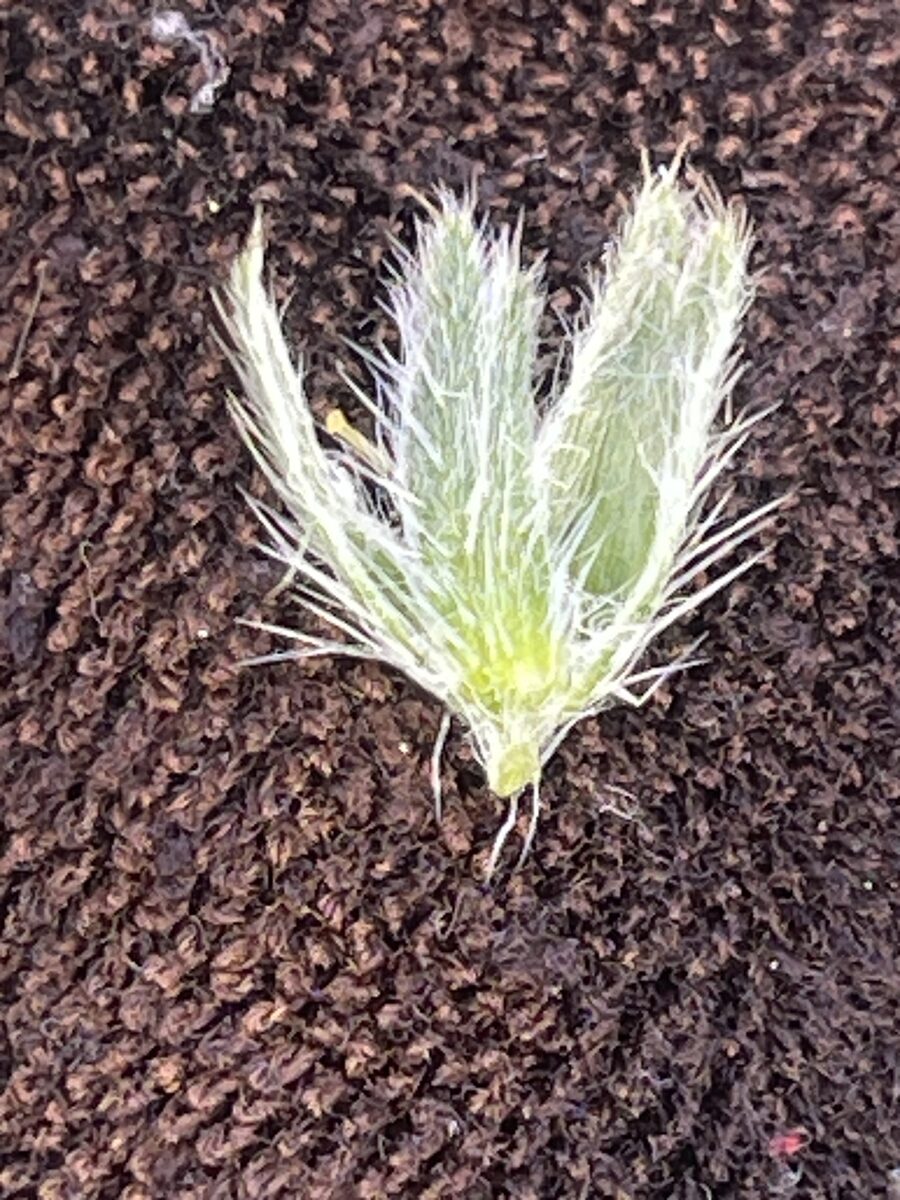
Amsinckia tesselata
Bristly Fiddleneck
Amsinckia tessellata
Bristly fiddleneck
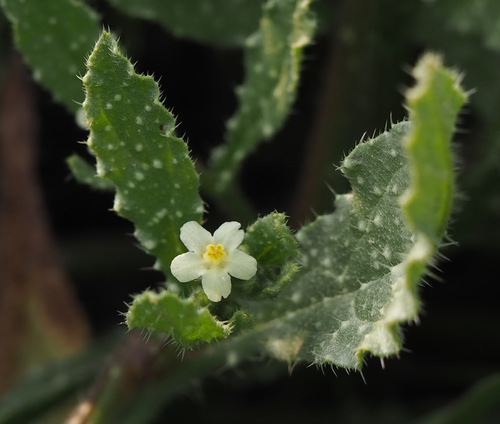
Anchusa aegyptiaca
Debbouna, Choubet, Sheikh el boukoul, Ialma, Chandjar, Hamricha, Tirhounam, Sahtour, Eastern Anchusa
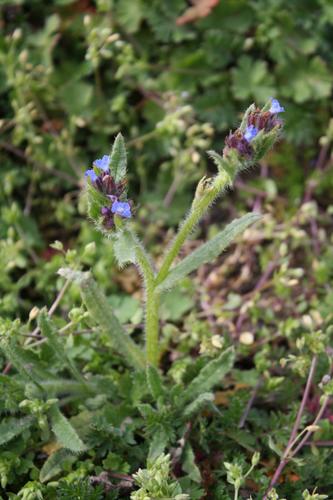
Anchusa arvensis
Rough-leaved borage